Celestial Spectacle: Deep Partial Lunar Eclipse Captivates Skywatchers Across the Americas
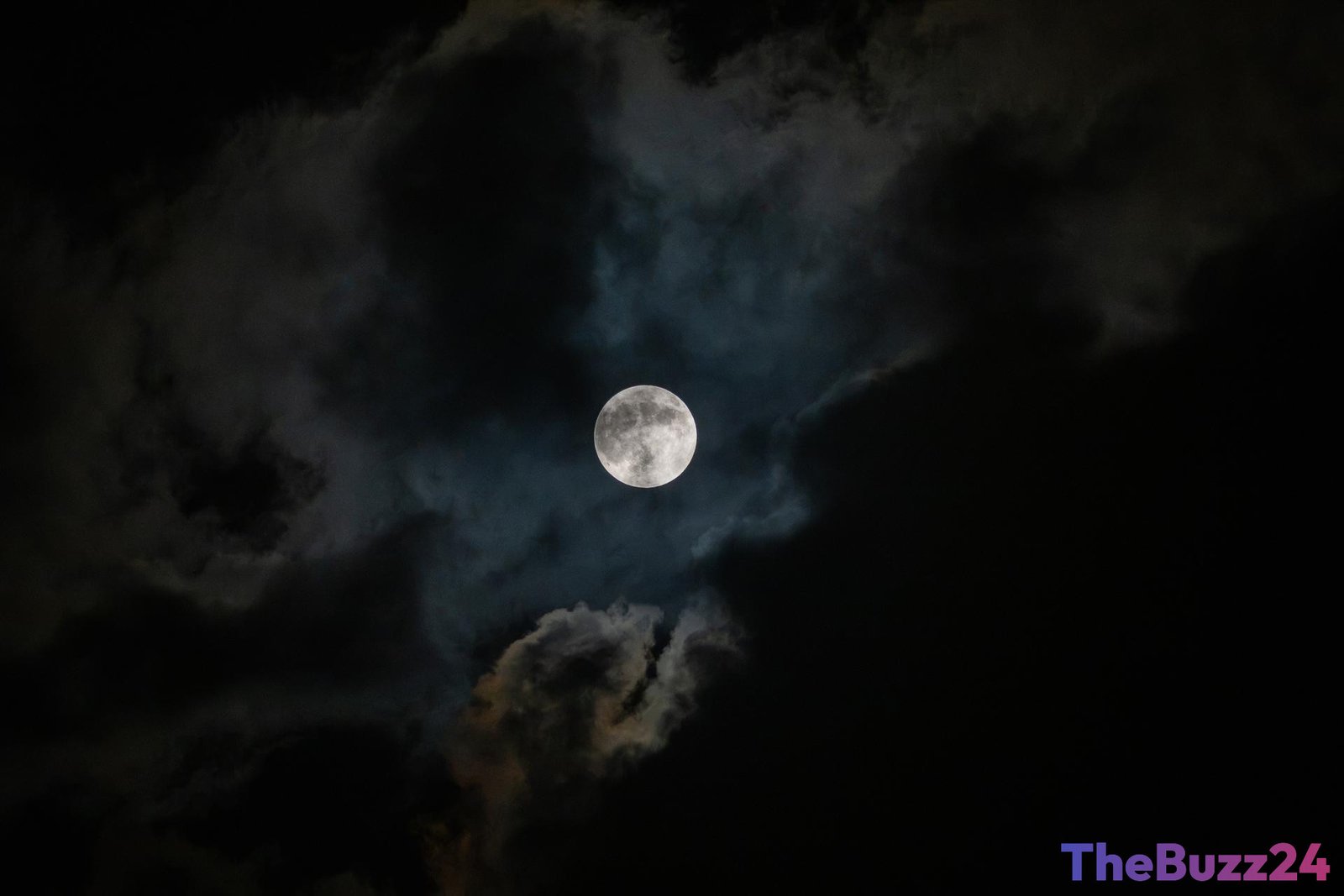
Skywatchers across the globe were treated to a stunning astronomical display on August 28, 2026, as a deep partial lunar eclipse painted the night sky. The celestial event occurred as the Moon slipped into the Earth’s shadow, offering a dramatic visual for observers in the Americas, western Europe, and western Africa. During the peak of the eclipse, which occurred at 12:13 a.m. EDT, an impressive 96.3% of the lunar disk was submerged in the Earth’s umbra—the darkest, central portion of the shadow where direct sunlight is entirely obstructed.
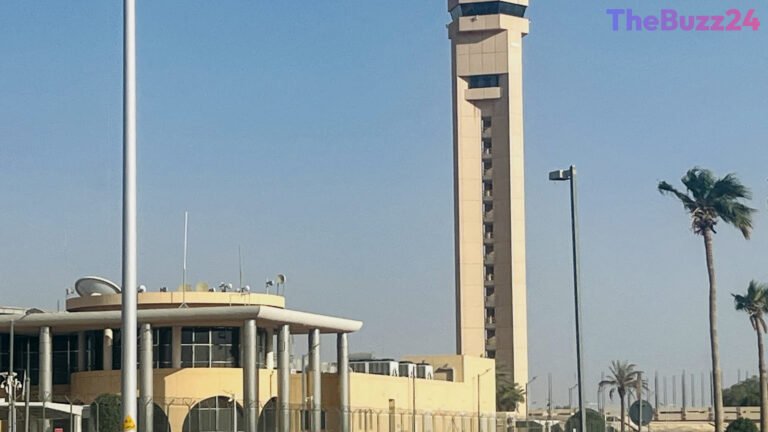
The breathtaking event was widely observed and photographed, including from southern Louisiana. This region holds significant importance for the aerospace sector as it houses NASA’s Michoud Assembly Facility. The facility is renowned as a crucial hub for manufacturing and assembling massive space structures, most notably the core stages of the Space Launch System (SLS) rocket, which is the driving force behind the ambitious Artemis lunar exploration program.
While partial eclipses are relatively common, the sheer depth of this particular event made it nearly total, casting a deep, eerie shadow over the lunar surface. For many in the path of visibility, which excluded only Alaska and northwestern Canada in the Americas, the event served as a powerful reminder of the dynamic mechanics of our solar system and the ongoing human journey to return to the Moon.
Key Takeaways
- A deep partial lunar eclipse occurred on August 28, 2026, with 96.3% of the Moon covered by Earth's darkest shadow (umbra) at its peak.
- The astronomical event was visible across most of the Americas, western Europe, and western Africa.
- A notable vantage point for the eclipse was southern Louisiana, home to NASA's Michoud Assembly Facility, where key components of the Artemis program's SLS rocket are built.
Editor’s Analysis & Impact
This celestial event highlights the growing public and scientific interest in lunar phenomena, particularly as humanity enters a new era of space exploration. The backdrop of the eclipse over NASA’s Michoud Assembly Facility serves as a symbolic bridge between natural cosmic events and human technological progress. As the Artemis program gears up for future manned missions to the Moon, events like these foster public engagement and inspire the next generation of aerospace engineers and scientists. From an industry perspective, the sustained interest in space science continues to drive funding, educational initiatives, and private-sector partnerships in aerospace manufacturing, solidifying the economic and cultural importance of space exploration hubs like those in Louisiana.
Frequently Asked Questions
Q: What is a partial lunar eclipse?
A: A partial lunar eclipse occurs when the Earth moves between the Sun and the Moon, but they do not align perfectly. As a result, only a portion of the Moon passes into the Earth's darkest shadow, known as the umbra.
Q: Where was the August 2026 lunar eclipse visible?
A: The eclipse was visible across the majority of the Americas (excluding Alaska and northwestern Canada), as well as western Europe and western Africa.
Q: What is the significance of NASA's Michoud Assembly Facility?
A: Located in southern Louisiana, the Michoud Assembly Facility is a premier manufacturing site where NASA builds large-scale space structures, including the core stages of the Space Launch System (SLS) rocket used in the Artemis missions.
AI Disclosure: This article is based on verified data and official reports. Our Team and AI have cross-referenced every financial detail with primary sources to ensure total accuracy.
More from this Category