Search Intensifies for Survivors Following Catastrophic Himalayan Glacial Collapse
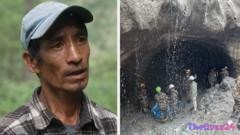
Eight days after a devastating glacial collapse in the Himalayas triggered massive flash floods, search and rescue operations are entering a critical phase. Rescuers are currently focused on the Nepal-Tibet border region, specifically targeting tunnels along the Trishuli River where survivors are feared to be trapped beneath debris.
The disaster, caused by a sudden collapse of glacial structures high in the mountains, sent a torrent of floodwater and heavy debris crashing through downstream villages and vital infrastructure. The scale of the devastation is immense, with the death toll estimated at at least 1,200 individuals, while thousands more remain missing as the search continues.
Rescue teams are utilizing a combination of advanced technology and traditional methods to navigate the treacherous, debris-strewn terrain. Drones are being deployed to survey inaccessible areas and provide aerial intelligence, while rafts are being used to navigate the volatile waters of the Trishuli River in hopes of locating those caught in the tunnels.
As the operation enters its second week, the focus remains on the high-risk zones where the impact of the debris flow was most severe. The logistical challenges posed by the high-altitude environment and the unstable landscape continue to complicate the efforts to locate and recover those lost in the disaster.
Key Takeaways
- A massive glacial collapse in the Himalayas has resulted in at least 1,200 deaths and thousands of missing persons.
- Rescue efforts are concentrated along the Trishuli River, focusing on potential survivors trapped in tunnels.
- Teams are employing drones and rafts to navigate the debris-clogged and dangerous terrain.
Editor’s Analysis & Impact
The scale of this disaster highlights the increasing vulnerability of Himalayan communities to extreme geological and weather-related events. The glacial collapse mechanism suggests that climate-induced instability in high-altitude ice structures is becoming a more frequent and lethal threat. Beyond the immediate humanitarian crisis, the destruction of roads and villages along the Trishuli River will likely have long-term economic repercussions for the region, disrupting local trade and tourism. For international policymakers, this event serves as a stark reminder of the urgent need for improved early warning systems and more resilient infrastructure in mountainous regions prone to glacial lake outburst floods or similar collapses. The ability to recover survivors in such high-risk environments remains a significant technological and logistical challenge.
Frequently Asked Questions
Q: What caused the devastating floods in Nepal?
A: The floods were triggered by a massive glacial collapse high in the Himalayas near the Nepal-Tibet border.
Q: Where are the primary rescue efforts taking place?
A: Rescuers are focusing on the Trishuli River area, specifically looking for survivors trapped in tunnels.
AI Disclosure: This article is based on verified data and official reports. Our Team and AI have cross-referenced every financial detail with primary sources to ensure total accuracy.
More from this Category