Pentagon Shuts Down Ad Tracking on Military Devices to Block Foreign Surveillance
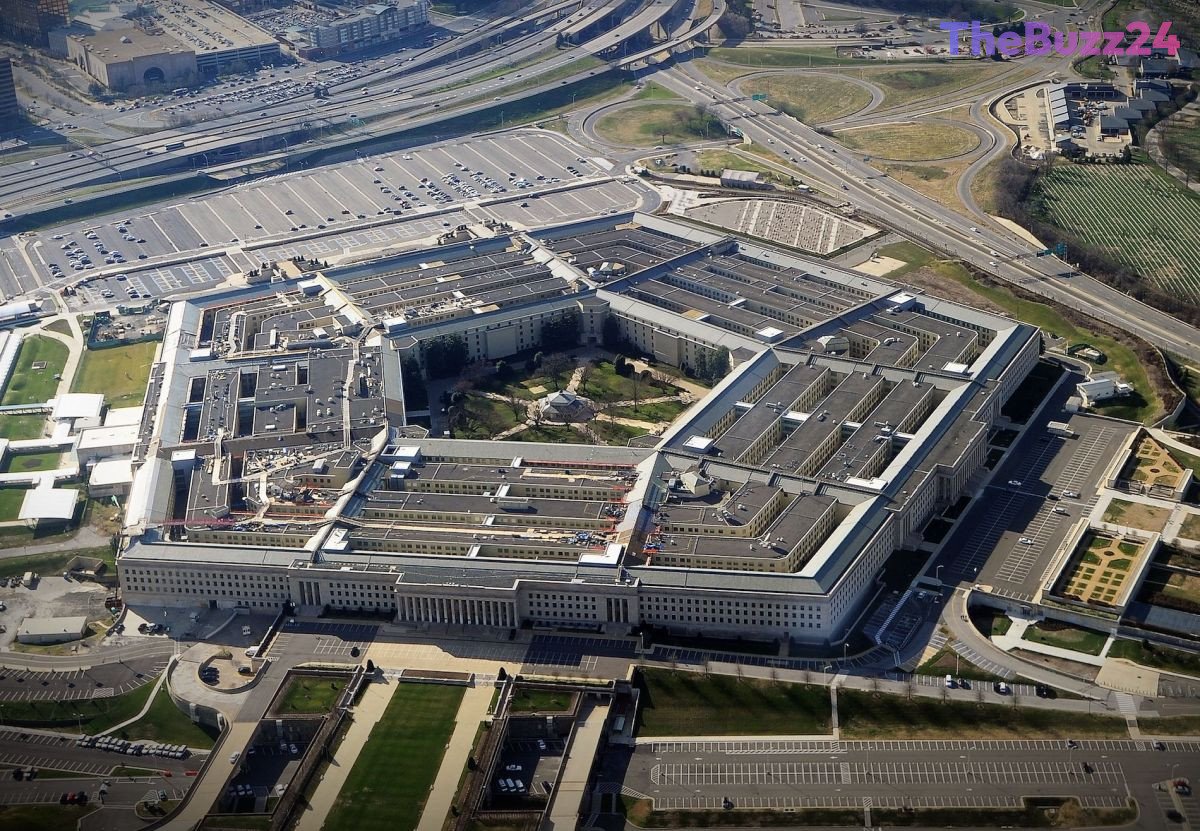
The United States Department of Defense has implemented a sweeping security measure by disabling advertising tracking across all government-issued mobile devices and computers. This directive applies to iPhones, Android devices, and Windows computers managed across the federal military enterprise network, spanning the Army, Navy, Air Force, Marine Corps, and Special Operations Command. The policy change, rolled out progressively throughout the year with the Air Force finalizing its updates in July, aims to shield service members from sophisticated digital tracking.
The primary objective of this security overhaul is to prevent hostile foreign governments and adversaries from exploiting location data. Mobile applications frequently harvest location information linked to unique advertising identifiers, which is then sold to commercial data brokers. By disabling these advertising IDs, the military makes it significantly harder for malicious actors to isolate and identify individual service members, effectively blending their digital footprints into the broader public sphere. This prevents adversaries from mapping troop movements or targeting military bases.
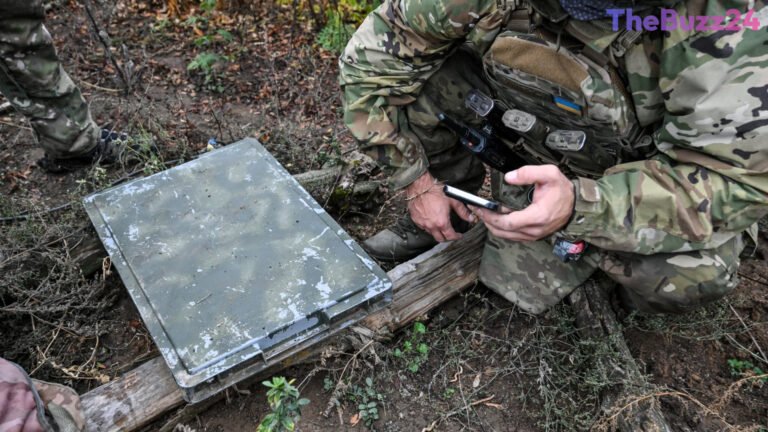
This defensive pivot follows warnings from lawmakers, including Senator Ron Wyden, who highlighted instances where foreign adversaries successfully targeted U.S. troops stationed in the Middle East using commercially acquired location data. While the new restrictions on official government devices mark a major step forward, security experts and policymakers warn that a massive vulnerability remains. Personal smartphones and tablets brought onto military installations by service members and private contractors continue to broadcast sensitive location data, leaving a backdoor open for potential exploitation.
The issue highlights a complex double standard within digital privacy and national security. While the Pentagon is actively working to shield its personnel from commercial data exploitation, various domestic intelligence agencies, including the FBI and other U.S. intelligence bodies, routinely purchase the exact same commercially available location data to conduct surveillance and intelligence gathering without obtaining warrants.
Key Takeaways
- The U.S. military has disabled advertising tracking on all government-issued phones and computers to protect personnel from location-based targeting.
- The policy covers all major military branches, including the Army, Navy, Air Force, Marines, and Special Operations Command.
- Despite these protections on official devices, security gaps remain due to the personal devices of troops and contractors on military bases.
Editor’s Analysis & Impact
This decisive move by the Department of Defense underscores a growing recognition of the national security threats posed by the unregulated commercial data broker industry. For years, the monetization of user location data has been treated as a marketing convenience, but it has rapidly evolved into a potent tool for espionage and asymmetric warfare. By disabling advertising IDs, the military is addressing a critical vector of digital vulnerability. However, this policy highlights a glaring regulatory gap: as long as personal devices remain unrestricted and data brokers operate without strict federal privacy guardrails, national security will remain compromised. Furthermore, the revelation that U.S. intelligence agencies rely on the same commercial data markets they are trying to shield troops from exposes a deep systemic hypocrisy that lawmakers must eventually reconcile.
Frequently Asked Questions
Q: Why did the U.S. military disable ad tracking on its devices?
A: The military disabled ad tracking to prevent foreign adversaries from purchasing commercial location data to track, locate, and target U.S. troops on battlefields or military bases.
Q: Which devices and military branches are affected by this change?
A: The policy applies to all government-issued iPhones, Android devices, and Windows computers across the Army, Navy, Air Force, Marine Corps, and Special Operations Command.
Q: Do personal devices of military personnel still pose a security risk?
A: Yes. Security experts warn that personal smartphones and tablets carried by troops and contractors onto military bases are not covered by this policy and can still expose location data to adversaries.
AI Disclosure: This article is based on verified data and official reports. Our Team and AI have cross-referenced every financial detail with primary sources to ensure total accuracy.
More from this Category