Beyond the Finish Line: Why Icons Like Dolly Parton and Gloria Steinem Chose Purpose Over Retirement
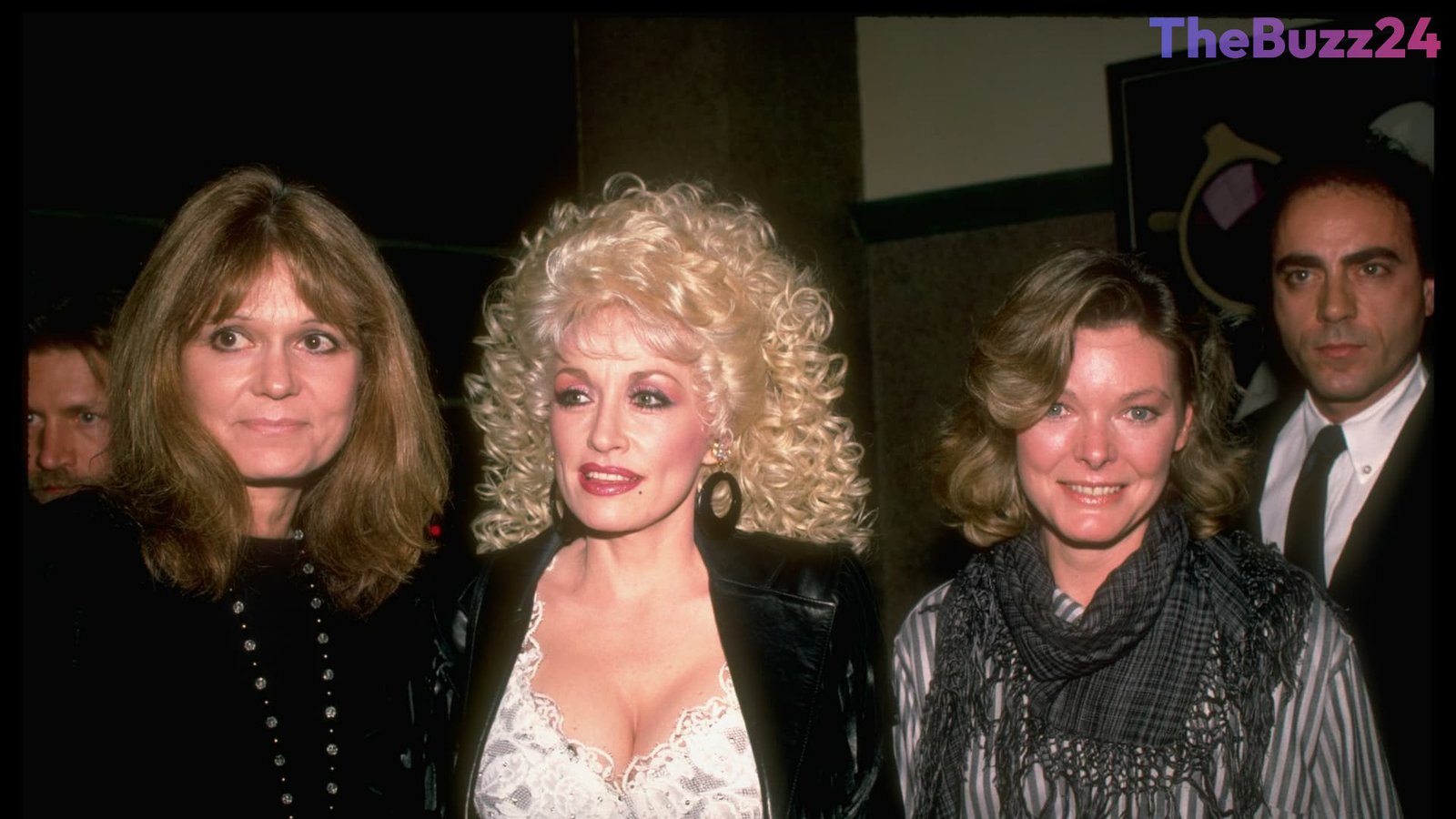
The recent passings of cultural icons Gloria Steinem and Dolly Parton have sparked a broader conversation about the evolving nature of retirement. Both women, who remained active in their respective fields well into their 80s and 90s, challenged the traditional notion that a career must conclude at a specific age. Steinem, a legendary activist and journalist, and Parton, a global music superstar, continued to pursue creative projects and public engagements until the final chapters of their lives, illustrating that for some, work is less about financial necessity and more about personal fulfillment and legacy.
While the financial reality for many Americans necessitates working well past the traditional retirement age, the examples set by Steinem and Parton highlight a different motivation: the pursuit of purpose. Research indicates that a significant majority of retirees who continue to work do so to remain active, engaged, and connected to their passions. For these individuals, the concept of retirement is not a mandatory exit from the workforce, but rather a transition into a phase where work becomes a choice driven by ambition and the desire to inspire others.
Financial experts emphasize that the ultimate goal for most individuals should be achieving ‘financial independence’ rather than adhering to an arbitrary retirement age. By calculating the true cost of living and securing diverse income streams, individuals can gain the freedom to decide whether they want to retire completely, pivot to a new career, or continue their current professional path. This approach shifts the focus from a ‘finish line’ based on a birthday to a state of security that allows for personal agency.
Ultimately, the lives of Steinem and Parton serve as a powerful reminder that professional longevity can be a deeply rewarding choice. Whether driven by a desire to mentor the next generation or a commitment to creative expression, the ability to define one’s own path in later years is a testament to the importance of early financial planning. By prioritizing long-term stability, individuals can ensure that when they do reach their later years, their professional activities remain a reflection of their values rather than a requirement for survival.
Key Takeaways
- Icons like Gloria Steinem and Dolly Parton demonstrate that for many, working in later life is a choice driven by purpose, creativity, and a desire to leave a legacy.
- Financial independence is defined as having enough savings and non-work income to cover expenses, which provides the freedom to choose whether to continue working.
- Most retirees who remain in the workforce report doing so for non-monetary reasons, such as staying active, involved, and enjoying their professional contributions.
Editor’s Analysis & Impact
The passing of high-profile figures who worked until their final days underscores a shifting cultural paradigm regarding aging and productivity. In an era where life expectancy is increasing, the traditional ‘three-stage’ life model—education, work, and retirement—is becoming obsolete. From a market perspective, this trend suggests a growing ‘longevity economy’ where older adults remain active consumers and contributors. Businesses and industries must adapt to a workforce that includes more experienced, older professionals who prioritize flexibility and purpose over traditional career ladders. The broader implication is a move toward ‘financial independence’ as the primary metric of success, encouraging younger generations to prioritize long-term investment strategies that provide the ultimate luxury: the freedom to choose one’s own path, regardless of age.
Frequently Asked Questions
Q: What is the difference between retirement and financial independence?
A: Retirement is often viewed as an age-based milestone for stopping work, whereas financial independence is a state where your savings, investments, and passive income are sufficient to cover your living expenses, giving you the freedom to choose whether or not to work.
Q: Why do many people choose to work even after they can afford to retire?
A: Many individuals continue working because their careers provide a sense of purpose, social connection, and intellectual stimulation. For these people, work is an essential part of staying 'fully alive' and engaged with the world.
AI Disclosure: This article is based on verified data and official reports. Our Team and AI have cross-referenced every financial detail with primary sources to ensure total accuracy.
More from this Category