U.S. and Canada Trade Conflict Deepens With New Import Bans and Retaliatory Tariffs
The economic standoff between Washington and Ottawa has escalated significantly as the United States administration prepares to implement sweeping import bans on a wide array of Canadian goods, including motorcycles, dairy items, and alcoholic beverages. Set to take effect on September 29, these new restrictions will replace existing 50% tariffs and encompass products such as whey, molasses, cider, wines, and larger-capacity mopeds. Furthermore, modifications and extensions to other Canadian imports, including all-terrain vehicles and animal hides, are scheduled to roll out mid-September.
This aggressive trade maneuver comes on the heels of Canada launching a robust, dollar-for-dollar response involving retaliatory tariffs on roughly CA$27.6 billion worth of American goods. Affecting upwards of 700 products spanning steel, electronics, and agricultural equipment, Ottawa’s countermeasures were designed to penalize the U.S. for earlier tariff actions enacted in August following the collapse of crucial bilateral negotiations. Leaders from both nations have firmly defended their positions, blaming each other for implementing discriminatory practices that unfairly harm domestic workers and industries.
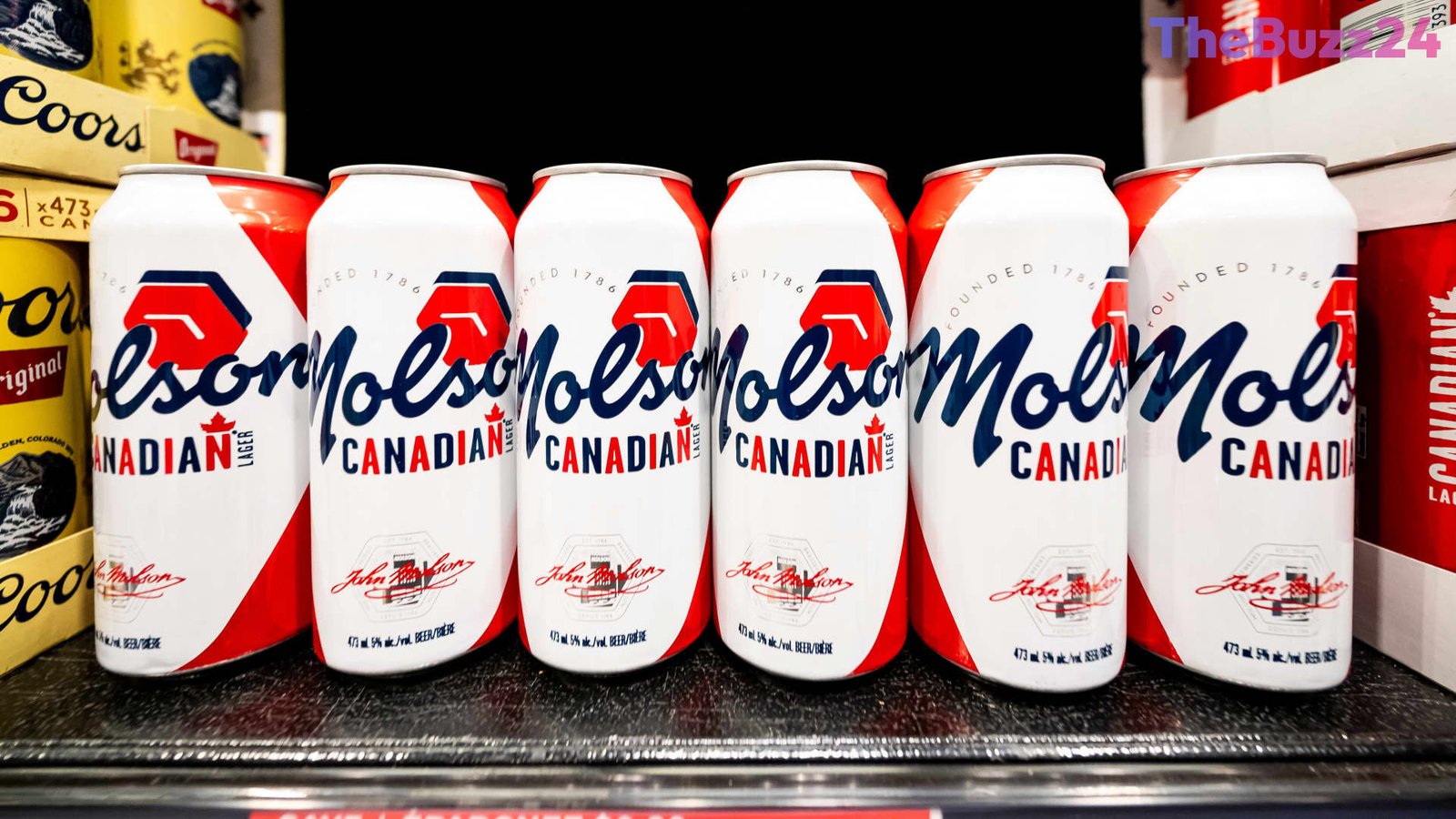
The friction has increasingly manifested in localized trade battles, notably concerning the alcohol and spirits sector. Canadian provinces have seen widespread boycotts and the removal of American alcoholic beverages from store shelves, severely impacting U.S. distillers who report steep year-on-year export declines. As economists sound alarms over the mounting compliance and uncertainty costs for small- and medium-sized enterprises, political leaders continue to dig in. With threats of even steeper automotive tariffs looming on the horizon, Canadian officials are reportedly exploring alternative economic and security partnerships with international allies to insulate domestic markets from the ongoing border dispute.
Key Takeaways
- The U.S. announced complete import bans on Canadian motorbikes, alcohol, and specific dairy products starting September 29, replacing previous 50% tariffs.
- Canada enacted reciprocal, dollar-for-dollar tariffs on CA$27.6 billion of U.S. goods, targeting over 700 items including steel and farm equipment.
- Bilateral trade tensions have severely impacted various sectors, particularly U.S. alcohol exporters facing major sales drops and retail boycotts in Canada.
Editor’s Analysis & Impact
The deepening trade rift between the United States and Canada highlights the fragile nature of deeply integrated cross-border economies in the modern geopolitical landscape. As protectionist measures replace decades of collaborative trade frameworks, industries reliant on frictionless supply chains—most notably automotive, agriculture, and spirits—are bearing the heaviest brunt. The imposition of outright import bans rather than standard tariffs signals a more aggressive negotiating stance that could permanently alter North American commercial dynamics. If diplomatic channels fail to yield a de-escalation framework, both economies risk long-term productivity losses, forcing nations like Canada to diversify trade partnerships toward Europe and elsewhere. For businesses, this environment necessitates immediate supply chain diversification and heightened geopolitical risk management to navigate an increasingly unpredictable regulatory future.
Frequently Asked Questions
Q: When do the new U.S. import bans on Canadian goods take effect?
A: The new import bans, which target Canadian motorbikes, select dairy items, and various alcoholic beverages, are scheduled to take effect on September 29.
Q: How has Canada responded to U.S. tariff measures?
A: Canada implemented dollar-for-dollar retaliatory tariffs targeting CA$27.6 billion worth of American imports, spanning over 700 products across sectors like steel, electronics, and agriculture.
Q: Which specific industries have been heavily impacted by the trade dispute?
A: The alcohol and spirits sector has emerged as a major flashpoint, with American distillers experiencing substantial export drops due to retail boycotts and provincial bans across Canada.
AI Disclosure: This article is based on verified data and official reports. Our Team and AI have cross-referenced every financial detail with primary sources to ensure total accuracy.
More from this Category