Diplomatic Backlash Erupts After Trump Shares Map Claiming Iceland, Greenland, and Mexico Under US Flag
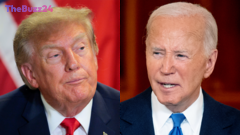
Diplomatic tensions have flared between the United States and several of its international partners following a controversial social media post by U.S. President Donald Trump. The post, shared on Truth Social, featured a map depicting the United States, Canada, Mexico, Central America, the Caribbean, Greenland, and Iceland all covered by the American flag. The image, shared without any accompanying text, immediately sparked outrage and formal diplomatic protests from the affected nations, who viewed the graphic as an affront to their national sovereignty.
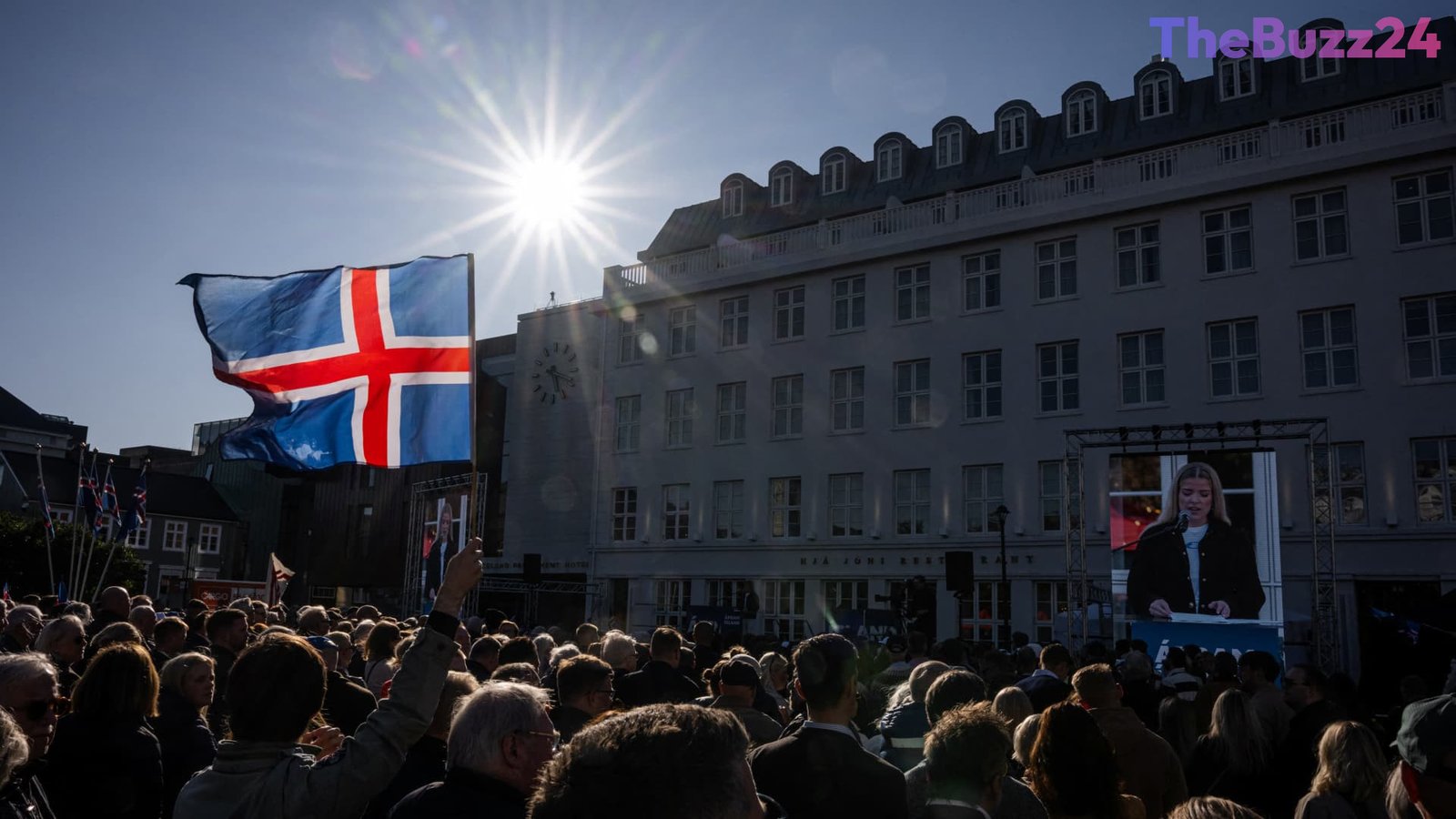
In response to the post, the Icelandic government took the formal step of summoning U.S. Ambassador Billy Long to express its deep disapproval. Icelandic Foreign Minister Thorgerdur Gunnarsdottir emphasized that the matter was being treated with utmost seriousness, stating that the depiction was entirely unacceptable. Gunnarsdottir also reaffirmed Iceland’s solidarity with Greenland, which has faced repeated annexation threats from the Trump administration. She rejected any notion that the post could be dismissed as a joke, calling it highly inappropriate.
The diplomatic fallout extended beyond Reykjavik, with leaders in Denmark and Mexico also issuing sharp rebukes. Danish Foreign Minister Lars Løkke Rasmussen characterized the post as disturbing and inappropriate, suggesting it reflected an unrealistic, expansionist vision that must be checked. Meanwhile, Mexican President Claudia Sheinbaum firmly asserted her country’s independence, declaring that Mexico is not, and will never be, a colony or protectorate of any foreign power. The incident highlights growing anxieties among U.S. allies regarding the administration’s unpredictable foreign policy and territorial ambitions.
Key Takeaways
- Iceland summoned the U.S. ambassador to formally protest a social media map showing the country under the American flag.
- Leaders from Denmark and Mexico joined Iceland in condemning the post, asserting their national sovereignty and criticizing the expansionist imagery.
- The incident underscores ongoing diplomatic friction regarding U.S. territorial ambitions, particularly concerning Greenland.
Editor’s Analysis & Impact
The recent diplomatic friction sparked by President Trump’s social media post highlights a growing volatility in international relations, where digital communication can instantly disrupt long-standing alliances. By projecting a map that effectively erases the sovereignty of neighboring and Nordic nations, the administration risks alienating key strategic partners. For Iceland and Denmark, Greenland remains a highly sensitive geopolitical asset, particularly concerning Arctic security and trade routes. This incident is likely to push European allies to seek greater strategic autonomy and strengthen regional coalitions, reducing their reliance on U.S. diplomatic predictability. Furthermore, Mexico’s swift rejection of the imagery underscores the delicate nature of North American trade and security agreements, suggesting that symbolic provocations could have tangible negative impacts on future bilateral negotiations and economic cooperation.
Frequently Asked Questions
Q: Why did Iceland summon the U.S. ambassador?
A: Iceland summoned U.S. Ambassador Billy Long to formally protest a social media post by President Trump that showed Iceland and other sovereign nations covered by the American flag, which Icelandic officials deemed completely unacceptable.
Q: How did other countries react to the controversial map?
A: Denmark's Foreign Minister called the post disturbing and inappropriate, while Mexican President Claudia Sheinbaum strongly asserted her nation's sovereignty, stating Mexico would never be a colony or protectorate of any foreign country.
Q: What is the context behind the U.S. interest in Greenland?
A: President Trump has previously expressed interest in acquiring Greenland from Denmark due to its strategic national security location and resource potential, a proposition that Denmark and Greenland have repeatedly rejected.
AI Disclosure: This article is based on verified data and official reports. Our Team and AI have cross-referenced every financial detail with primary sources to ensure total accuracy.
More from this Category