Singapore Prime Minister Set for Massive Pay Hike, Widening Global Compensation Gap
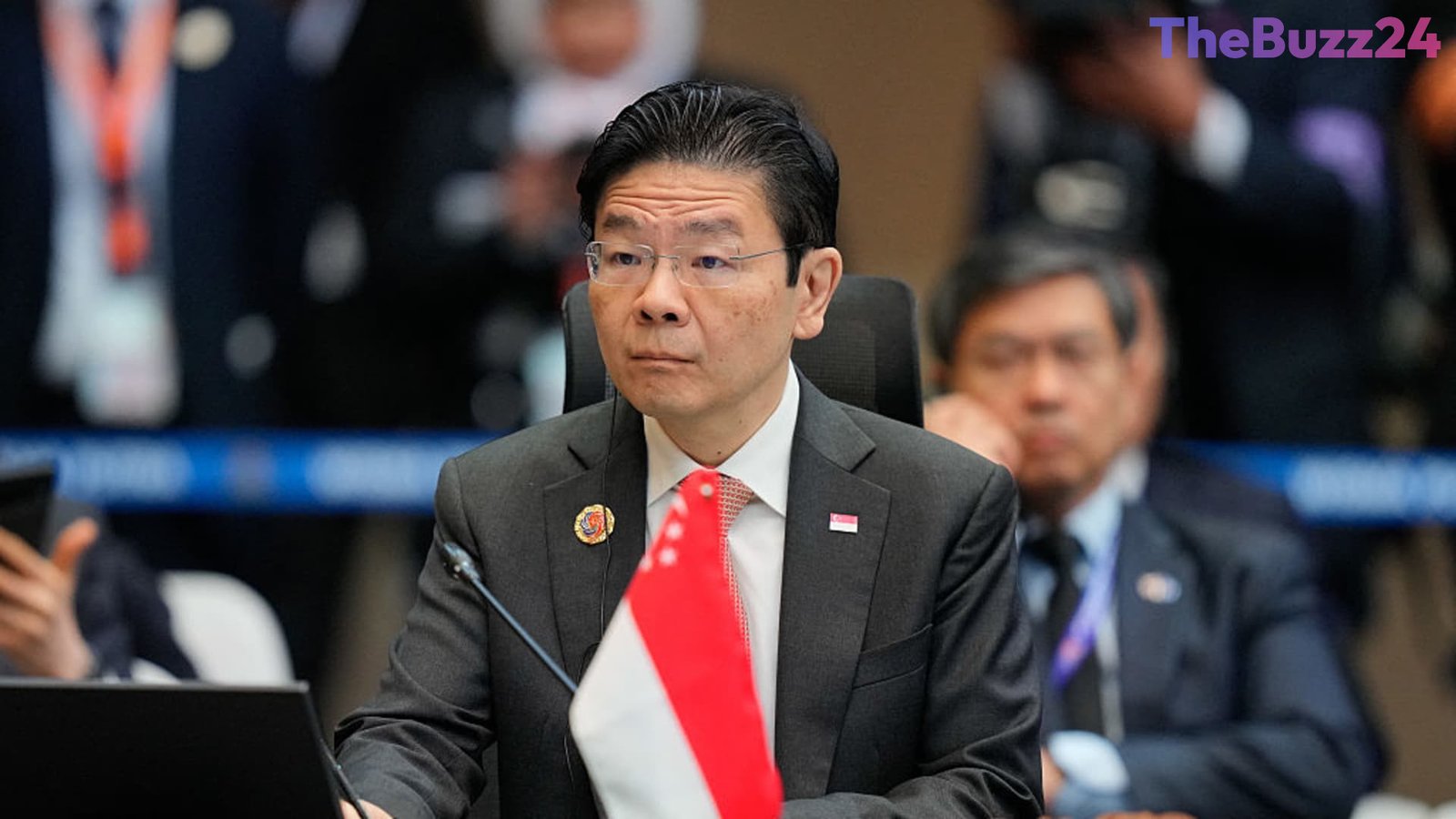
Singapore Prime Minister Lawrence Wong is set to see his annual compensation package increase to 3.6 million Singapore dollars, cementing his position as the highest-paid elected leader in the world. The adjustment marks the first time ministerial salaries have been revised upwards in 15 years. Following the parliamentary announcement, the prime minister’s package will jump significantly from the previous SG$2.2 million.
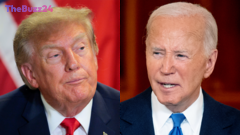
To put the figures into perspective, Wong’s new remuneration package towers over those of his international counterparts. It is more than four times the salary of the Swiss president and dwarfs the $400,000 annual salary earned by the leader of the United States. In fact, the revised Singaporean leader’s salary surpasses the combined statutory pay of top officials from the U.S., Switzerland, Australia, Canada, South Korea, and New Zealand. Despite the substantial increase, Wong has committed to donating the entirety of his salary raise to charitable causes for a period of five years.
Singapore maintains a unique ‘clean wage’ structure for its government officials, which ties political salaries directly to private sector benchmarks. Specifically, the baseline pay for an entry-level minister is calculated using the median income of the top 1,000 highest-earning citizens, adjusted with a 40% public service discount. The government defends this model by arguing that competitive compensation is essential to attract top-tier talent away from lucrative private sector careers in business and finance, while eliminating hidden perks and secondary allowances.
Key Takeaways
- Singapore Prime Minister Lawrence Wong's annual salary will increase to SG$3.6 million following the first ministerial pay revision in 15 years.
- The new compensation package makes Wong significantly the highest-paid elected leader globally, outpacing leaders of the U.S., Switzerland, and several other nations combined.
- Singapore defends the high pay structure as a 'clean wage' model linked to private-sector earnings to attract top talent and deter corruption.
Editor’s Analysis & Impact
The decision by Singapore to significantly increase ministerial salaries highlights a pragmatic, corporate-style approach to governance that starkly contrasts with the populist pay freezes often seen in Western democracies. By benchmarking political salaries against top earners in the private sector, Singapore aims to insulate its civil service from brain drain and minimize the temptation of corruption through robust, transparent compensation. While this approach inevitably draws domestic scrutiny due to the sheer size of the figures involved compared to median citizen earnings, it underpins the city-state’s long-term strategy of administrative excellence and bureaucratic stability. As global governance faces increasing complexities, Singapore’s model will continue to serve as a fascinating, albeit controversial, case study in political remuneration and talent retention.
Frequently Asked Questions
Q: Why are Singapore ministers paid so much compared to other world leaders?
A: Singapore's political salaries are benchmarked against the private sector to attract top-tier talent from industries like business and finance, and the system relies on a transparent 'clean wage' model without hidden perks.
Q: How is the baseline salary for a Singapore minister calculated?
A: The baseline salary for an entry-level minister is based on the median income of the top 1,000 highest-earning Singapore citizens, adjusted with a 40% discount to reflect public service ethos.
Q: Will Prime Minister Lawrence Wong keep his salary increase?
A: Wong has publicly pledged to donate the full amount of his salary increase to charity for his first five years, assuming he remains in office.
AI Disclosure: This article is based on verified data and official reports. Our Team and AI have cross-referenced every financial detail with primary sources to ensure total accuracy.
More from this Category