Firefighter Union Sounds Alarm on Popular Antioxidant Treatment Amid Health Concerns
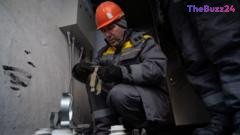
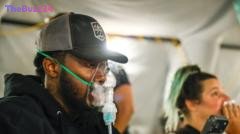
Firefighters who battled some of California’s most devastating wildfires are turning to an antioxidant called glutathione, seeking relief from the chronic health issues that plague their profession. Captain David Marquez of the Pasadena Fire Department described immediate improvements in symptoms like fatigue and headaches after inhaling glutathione following a particularly destructive wildfire. He and his team were experiencing significant discomfort, including sleep disturbances and persistent coughs, after their exposure to toxic smoke.
Glutathione, a naturally occurring antioxidant in the human body, has been administered to first responders at major wildfire sites across the U.S. in recent years. Anecdotal reports from clinicians and fire departments suggest it may help mitigate the effects of cancer-causing chemicals absorbed during fires. However, the scientific community has yet to conduct large-scale studies on its safety and effectiveness, raising questions about purity and potential contamination of supplies.
The International Association of Fire Fighters (IAFF), representing over 360,000 firefighters in the U.S. and Canada, has issued a rare warning regarding glutathione. The union cited recent recalls of contaminated glutathione products and pointed to past instances where common vitamin supplements, intended to be beneficial, were found to increase cancer risk. Sean DeCrane, assistant to the general president for health and safety at the IAFF, expressed concern over the lack of definitive research, questioning both the efficacy and potential long-term effects of glutathione treatments. The union also opposes the way the treatment has been promoted to firefighters, sometimes during official briefings.
Despite the IAFF’s caution, proponents like Jen Riegle, co-founder of the Integrated Health Action Network (IHAN), which provides glutathione and other naturopathic treatments at wildfire sites, maintain that the therapy offers significant relief. IHAN has collected data suggesting improvements in common firefighter symptoms such as headaches and brain fog. While acknowledging that their findings are anecdotal and not clinical trial data, IHAN is hopeful this information will encourage further research. The debate highlights a broader shift in the fire service towards prioritizing firefighter health, with a growing emphasis on protective gear and decontamination, though questions remain about the role of unproven treatments like glutathione.
Key Takeaways
- Firefighters are increasingly using the antioxidant glutathione to alleviate health issues stemming from wildfire smoke exposure.
- The International Association of Fire Fighters (IAFF) has warned about glutathione due to a lack of scientific evidence on its safety and efficacy, and concerns over product contamination.
- While proponents cite anecdotal evidence of symptom relief, medical experts and the union emphasize the need for rigorous clinical trials and recommend focusing on proven protective measures.
Editor’s Analysis & Impact
The growing use of glutathione among firefighters underscores a critical tension between the urgent need for relief from occupational hazards and the scientific rigor required for medical treatments. While anecdotal evidence suggests potential benefits, the IAFF’s warning highlights the risks associated with unproven therapies, particularly concerning product purity and long-term health impacts. This situation calls for increased investment in clinical research to validate or refute glutathione’s effectiveness. In the interim, the focus must remain on established safety protocols and personal protective equipment, as shifting emphasis to unverified treatments could inadvertently detract from proven methods of mitigating the significant health risks faced by firefighters.
Frequently Asked Questions
Q: What is glutathione and why are firefighters using it?
A: Glutathione is an antioxidant naturally produced in the body. Firefighters are using it, often via inhalation, in an attempt to alleviate symptoms like headaches, fatigue, and respiratory issues caused by exposure to toxic smoke and chemicals during wildfires.
Q: What are the concerns raised by the International Association of Fire Fighters (IAFF) regarding glutathione?
A: The IAFF has warned about glutathione due to a lack of large-scale scientific studies proving its safety and effectiveness. They also cite concerns about product contamination, recent recalls, and the possibility of a placebo effect, urging caution among its members.
Q: Is there scientific evidence to support the use of glutathione for firefighters?
A: Currently, there is no robust, large-scale clinical trial data to scientifically validate the safety and efficacy of glutathione for firefighters. Most of the evidence presented is anecdotal, gathered from individual experiences and observations.
AI Disclosure: This article is based on verified data and official reports. Our Team and AI have cross-referenced every financial detail with primary sources to ensure total accuracy.
More from this Category