The Final Ascent: A Heroic Recovery Mission Following the Broad Peak Tragedy
The mountaineering community is mourning the loss of several elite climbers, including the renowned Nirmal Purja, following a catastrophic avalanche on Pakistan’s Broad Peak this past July. The disaster, which claimed the lives of experienced guides and climbers, occurred as teams were navigating the treacherous slopes of the Karakoram range. Among those lost were Purja, a celebrated figure in high-altitude mountaineering, and Kili Pemba Sherpa, a childhood friend of fellow climber Mingma G.
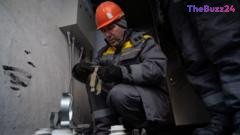
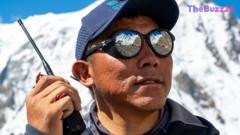
Following the initial reports of the avalanche, Mingma G, who was leading a separate expedition on the nearby K2, spearheaded a harrowing recovery mission. Despite the immense danger posed by unstable ice and the threat of secondary avalanches, Mingma G was determined to bring his fallen colleagues home. The operation, which spanned several days, required the team to navigate precarious glacial pillars and manage the physical and emotional toll of recovering bodies from the high-altitude slope.
The recovery effort faced significant logistical hurdles, including the unavailability of immediate helicopter support, forcing the team to conduct the mission on foot. Through the use of drone surveillance and coordinated rope work, the rescue team successfully retrieved the remains of their peers, allowing them to be returned to their families in Nepal. The tragedy has left a profound impact on the climbing community, prompting reflection on the inherent risks of the sport and the deep bonds forged between those who challenge the world’s highest peaks.
As the investigation into the cause of the avalanche continues, experts point to the potential collapse of an ice slab as a primary factor. For survivors like Mingma G, the experience has been transformative, casting doubt on his future in professional mountaineering. The loss of such prominent figures serves as a somber reminder of the unforgiving nature of the mountains and the extraordinary sacrifices made by those who dedicate their lives to the summit.
Key Takeaways
- Elite mountaineer Nirmal Purja and several other climbers were killed in a massive avalanche on Broad Peak in Pakistan.
- Mingma G led a dangerous, multi-day recovery mission on foot to retrieve the bodies of his friends and colleagues after helicopter support proved unavailable.
- The tragedy has sparked a broader conversation within the mountaineering community regarding safety, the risks of high-altitude expeditions, and the emotional toll of such losses.
Editor’s Analysis & Impact
The death of Nirmal Purja and his team marks a significant moment for the mountaineering industry, which has seen a surge in commercial interest and social media-driven expeditions in recent years. Purja, in particular, was a polarizing but undeniably influential figure who helped elevate the profile of Nepalese climbers on the global stage. This tragedy highlights the persistent gap between the romanticized image of high-altitude climbing and the brutal reality of mountain hazards. From an industry perspective, the incident is likely to trigger stricter safety protocols and a re-evaluation of how expeditions are managed in the Karakoram range. Furthermore, the emotional testimony of Mingma G underscores the unique, tight-knit culture of the Sherpa community, whose members often bear the heaviest burden during rescue and recovery operations in the world’s most dangerous environments.
Frequently Asked Questions
Q: What caused the avalanche on Broad Peak?
A: While the incident remains under investigation, initial reports from the Alpine Club of Pakistan suggest the avalanche was triggered by the collapse of an ice slab rather than recent snowfall.
Q: Why was the recovery mission conducted on foot?
A: The recovery team faced logistical challenges, including the unavailability of helicopters due to poor weather conditions and operational constraints, necessitating a dangerous, manual recovery effort on foot.
AI Disclosure: This article is based on verified data and official reports. Our Team and AI have cross-referenced every financial detail with primary sources to ensure total accuracy.
More from this Category