The Cosmic Origins of Human Biology: Tracing the Elements of Life
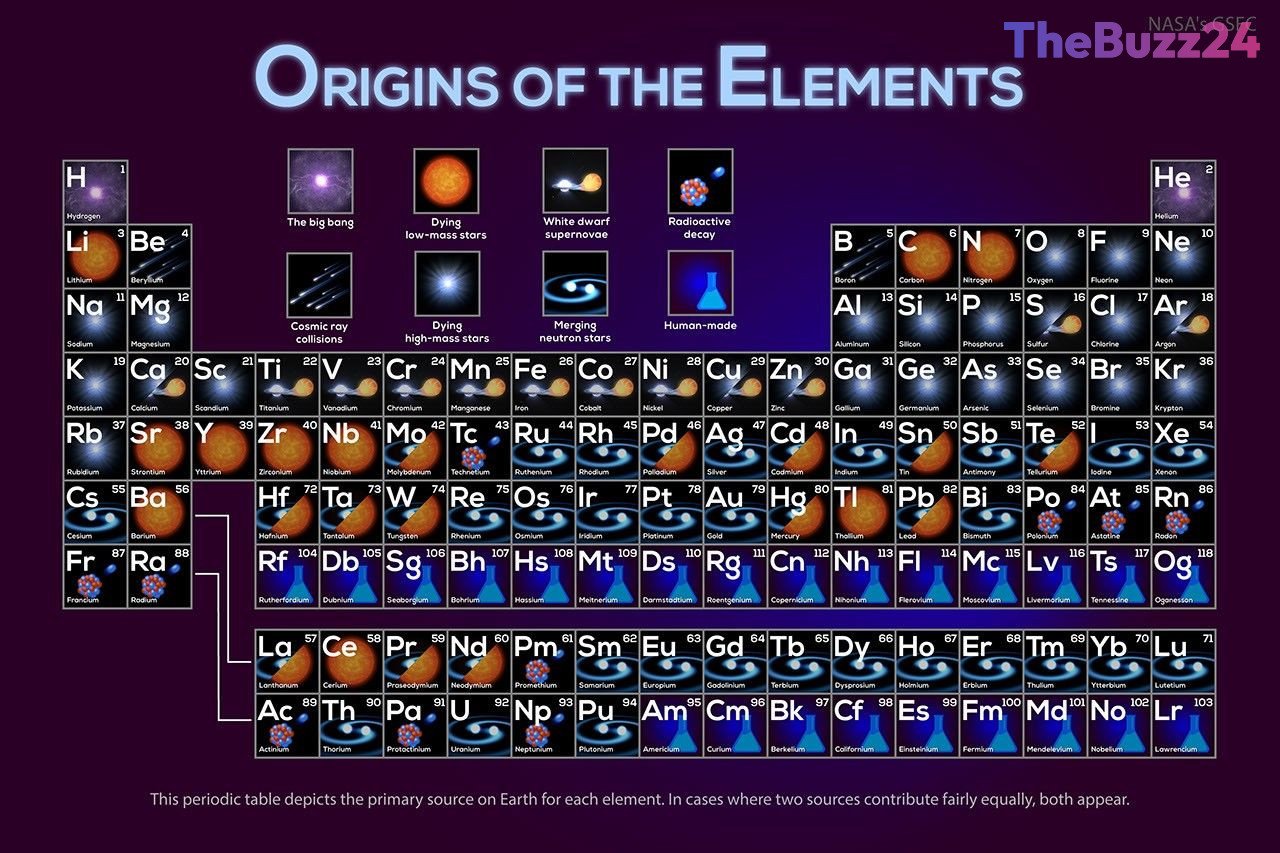
Every atom that constitutes the human body has a profound history, originating from cataclysmic events that occurred billions of years ago across the universe. Scientific consensus suggests that the hydrogen found in our bodies and in the water we consume dates back to the Big Bang, serving as the fundamental building block of the cosmos. Without these primordial origins, the chemical foundation of life as we know it would not exist.
Beyond hydrogen, the heavier elements essential to human biology were forged within the hearts of stars. Carbon and oxygen, the primary components of our physical structure, were synthesized through nuclear fusion inside stellar interiors. Meanwhile, heavier elements like iron were scattered across the galaxy during the violent deaths of massive stars in supernova explosions. These cosmic events acted as celestial factories, distributing the raw materials necessary for planetary formation and biological evolution.
More exotic elements have even more dramatic origins. Gold, for instance, is believed to be the product of neutron star collisions—events so powerful they generate gravitational waves and intense gamma-ray bursts. While researchers continue to map the periodic table to its specific nuclear origins, some elements like copper remain subjects of ongoing study. This color-coded understanding of the periodic table highlights the intricate connection between human existence and the violent, creative processes of the universe.
Key Takeaways
- Hydrogen in the human body originates from the Big Bang, representing the oldest matter in the universe.
- Essential elements like carbon and oxygen were created through nuclear fusion within the cores of stars.
- Heavy metals such as gold are likely formed during the rare and violent collisions of neutron stars.
Editor’s Analysis & Impact
The study of nucleosynthesis bridges the gap between astrophysics and biology, providing a humbling perspective on the human condition. By identifying the specific cosmic events responsible for the elements in our bodies, scientists are effectively mapping the history of the universe through the lens of chemistry. This research is not merely academic; it drives advancements in computational modeling and observational astronomy. As we refine our understanding of how elements like copper are formed, we gain deeper insights into the chemical evolution of galaxies. The broader implication is a shift in how we perceive our place in the cosmos—not as separate entities, but as integrated products of stellar life cycles. Future research in this field will likely leverage next-generation space telescopes to observe these nuclear events in real-time, further validating our theories on the origins of matter.
Frequently Asked Questions
Q: Where does the hydrogen in our bodies come from?
A: The hydrogen in our bodies originated from the Big Bang and is considered the primary source of hydrogen in the entire universe.
Q: How are heavy elements like gold created?
A: Gold is believed to be created during the collision of neutron stars, which are often associated with gamma-ray bursts and gravitational wave events.
AI Disclosure: This article is based on verified data and official reports. Our Team and AI have cross-referenced every financial detail with primary sources to ensure total accuracy.
More from this Category