China’s Economy Faces Headwinds: Retail Sales Lag, Investment Dips Amidst Supply-Demand Imbalance
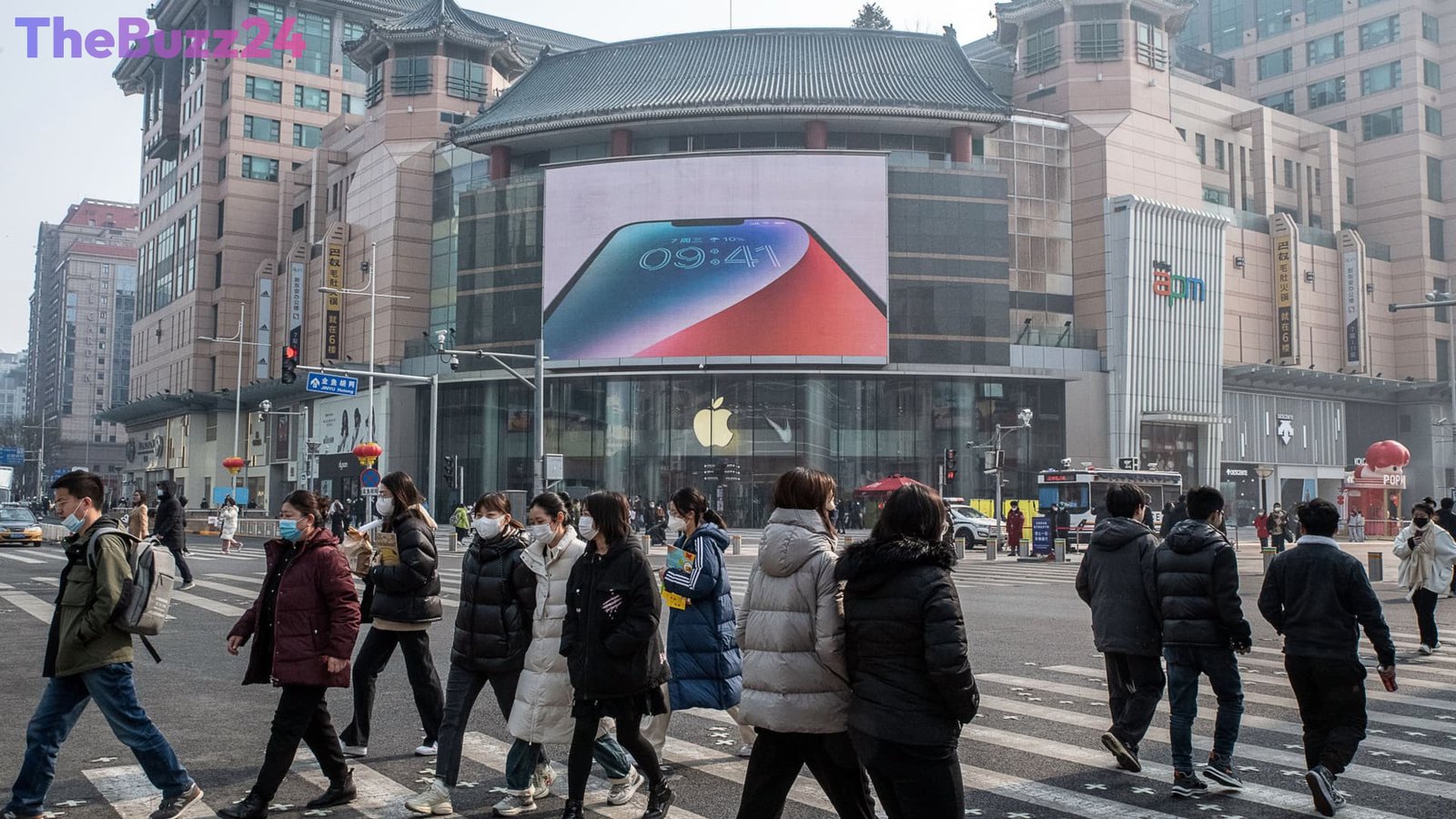
China’s economic recovery is showing signs of strain as key indicators for August reveal a slowdown in consumer spending and a deepening slump in investment, despite a stronger-than-expected performance in industrial output. Retail sales saw a modest increase of 0.4% year-on-year, a deceleration from the previous month’s 0.6% and falling short of economists’ projections. This sluggish consumer demand adds to concerns about the nation’s ability to meet its annual growth targets.
In contrast, industrial production demonstrated resilience, expanding by 5.2% in August, an acceleration from July’s 4.5% and surpassing analyst expectations. This sector’s strength, however, is overshadowed by a significant contraction in urban fixed-asset investment, which declined by 7.2% in the first eight months of the year. This persistent investment slump, particularly in property and infrastructure, signals ongoing challenges in stimulating broader economic activity.
The National Bureau of Statistics acknowledged the intensifying external pressures and highlighted an “acute” domestic imbalance between robust supply and weak demand. The bureau also pointed to operational difficulties faced by some businesses. The urban unemployment rate edged up to 5.3% in August, further underscoring the complex economic landscape. In response, authorities are calling for enhanced macro-policy adjustments and measures to bolster domestic demand and foster innovation-led development.
While export resilience, partly fueled by global demand for semiconductors and tech hardware, has provided some support, broader credit expansion has faltered. August saw new bank loans significantly miss forecasts, indicating a reluctance among corporations and households to take on new debt. This situation puts increased pressure on Beijing to implement more decisive stimulus measures to reignite business confidence and ensure economic stability.
Key Takeaways
- China's August retail sales growth slowed to 0.4%, missing forecasts and indicating weak consumer demand.
- Industrial output exceeded expectations with a 5.2% growth, but investment in fixed assets continued to decline.
- Authorities are facing pressure to implement stronger stimulus measures to address domestic supply-demand imbalances and boost confidence.
Editor’s Analysis & Impact
The latest economic data from China paints a mixed picture, highlighting a growing divergence between industrial strength and consumer weakness. While the resilience in industrial output, particularly in tech-related sectors, offers a glimmer of hope, the persistent slump in investment and the slowdown in retail sales are significant headwinds. The widening gap between supply and demand, coupled with rising unemployment and faltering credit growth, suggests that China’s economy is facing considerable internal and external pressures. Policymakers are in a delicate balancing act, needing to stimulate growth without exacerbating debt risks or inflation. The coming months will be critical in determining whether incremental measures are sufficient or if more substantial fiscal and monetary interventions are required to steer the world’s second-largest economy back towards its growth targets.
Frequently Asked Questions
Q: What were the main reasons for the slowdown in China's retail sales?
A: The slowdown in China's retail sales is attributed to a combination of factors, including an "acute" domestic imbalance between strong supply and weak demand, operational difficulties faced by businesses, and potentially cautious consumer sentiment amidst economic uncertainties.
Q: How is China's industrial output performing compared to other economic indicators?
A: China's industrial output showed surprising strength in August, growing by 5.2% and exceeding expectations. This contrasts with the weaker performance seen in retail sales and the ongoing decline in fixed-asset investment, indicating a mixed economic landscape.
Q: What is the outlook for China's economy based on these August figures?
A: The August figures suggest that China's economy is facing significant challenges in achieving its growth targets. While industrial output offers some positive momentum, the weak consumer spending and investment slump necessitate further policy support. The effectiveness of upcoming policy adjustments will be crucial for the economic outlook.
AI Disclosure: This article is based on verified data and official reports. Our Team and AI have cross-referenced every financial detail with primary sources to ensure total accuracy.
More from this Category