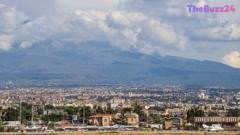
Mount Etna Eruption Halts Flights at Major Sicilian Airport Once Again
Operations at one of Italy’s primary aviation hubs have been temporarily halted following a fresh series of volcanic eruptions from nearby Mount Etna. The latest activity has blanketed the region in volcanic ash, forcing authorities to suspend all incoming and outgoing flights at the busy travel facility on the island of Sicily.
This disruption marks the second time in recent months that the major airport has been forced to close its doors due to ash emissions from Europe’s tallest and most active volcano. Volcanological monitoring agencies responded to the intensifying activity by issuing a red aviation alert, signaling significant hazards to regional air traffic. Passengers scheduled through the terminal have been strongly advised to verify their flight statuses directly with their respective carriers before attempting to travel to the facility.
The repeated closures have reignited infrastructure debates across the region, with growing calls to expand alternative transportation facilities in Sicily to mitigate the heavy reliance on the airport, which sits just a short distance from the volatile peak. While the disruptions pose notable economic and logistical challenges for the tourism sector, the volcano’s dramatic displays continue to draw immense public interest, even as authorities prioritize safety and air corridor clearance.
Key Takeaways
- Catania International Airport suspended all flights due to volcanic ash from Mount Etna.
- A red aviation alert was issued by monitoring authorities following intensified volcanic activity.
- The recurring disruptions have renewed local debates regarding regional airport infrastructure and expansion.
Editor’s Analysis & Impact
The frequent disruptions at Catania International Airport highlight the inherent vulnerabilities of regional critical infrastructure situated near active geological hazards. As Europe’s tallest active volcano, Mount Etna poses a continuous operational risk to commercial aviation, forcing stakeholders to weigh economic dependence on tourism against severe logistical bottlenecks. In the broader context of Mediterranean travel, these recurring closures underscore the urgent need for diversified regional transport networks and enhanced contingency planning. Policymakers and aviation authorities will likely face mounting pressure to accelerate infrastructural investments in alternative Sicilian transport hubs to ensure long-term economic resilience and minimize passenger disruption during peak seasonal periods.
Frequently Asked Questions
Q: Why were flights suspended at the Sicilian airport?
A: Flights were suspended because volcanic ash from Mount Etna created hazardous conditions for aviation.
Q: How often does Mount Etna erupt?
A: Mount Etna is Europe's tallest active volcano and erupts frequently, occasionally causing regional travel and safety advisories.
Q: What should affected passengers do?
A: Travelers scheduled to fly through the affected airport are advised to check directly with their airlines for real-time updates before heading to the terminal.
AI Disclosure: This article is based on verified data and official reports. Our Team and AI have cross-referenced every financial detail with primary sources to ensure total accuracy.
More from this Category