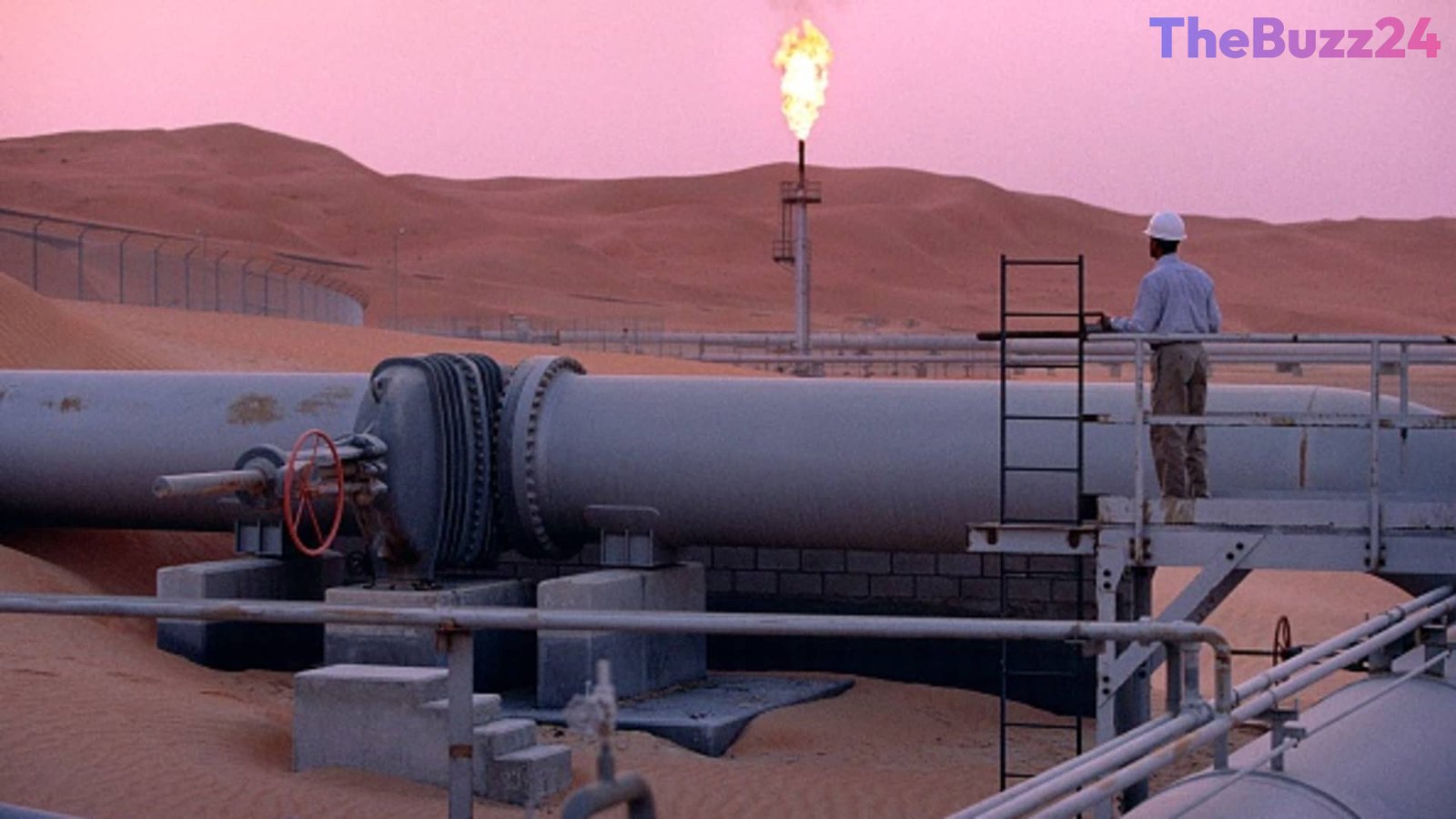
Global Oil Markets Fluctuate Amid Conflicting Reports on Saudi Pipeline Repair
Global crude oil prices experienced a downturn on Wednesday, influenced by efforts from the U.S. administration to reassure markets regarding the swift repair of Saudi Arabia’s critical East-West pipeline. This pipeline, a key artery for Saudi oil exports, sustained damage in recent drone attacks, prompting its closure.
U.S. Energy Secretary Chris Wright characterized the pipeline outage as a “brief and temporary interruption,” asserting that operations would resume within days. This optimistic outlook aimed to mitigate concerns about potential supply disruptions. However, independent analysts have presented a more cautious assessment, suggesting the pipeline could remain offline for weeks. Their analysis is based on satellite imagery reportedly showing significant damage to a pumping station, casting doubt on the rapid repair timeline proposed by U.S. officials. Riyadh has yet to provide an official damage assessment or a definitive timeline for the pipeline’s restoration.
In response to the disruption, Saudi Arabia has taken “quick action” to reroute its oil exports. The kingdom is now increasing shipments through the Strait of Hormuz, a vital but often volatile maritime chokepoint, with support from the U.S. military. This strategic shift was evidenced by the observation of four supertankers, capable of carrying a combined 8 million barrels, loading at Saudi’s Persian Gulf ports. Matt Smith, a director of commodity research at Kpler, noted these vessels are likely part of a shuttling effort via the Omani route through the Strait. While the East-West pipeline previously allowed Saudi Arabia to bypass the Strait of Hormuz by shifting exports to the Red Sea, the current situation necessitates greater reliance on the Gulf route.
Despite U.S. military protection, the journey through the Strait of Hormuz remains fraught with danger. Incident reports from the United Kingdom Maritime Trade Operations Centre indicate at least two vessels have come under attack in the strait recently, underscoring the persistent security challenges in the region. The ongoing geopolitical tensions in the Persian Gulf continue to exert upward pressure on oil prices, which have rallied approximately 20% this month, even as Wednesday saw U.S. West Texas Intermediate futures fall 1.6% to $104.09 per barrel and Brent crude trade 1.1% lower at $107.57 per barrel.
Key Takeaways
- Oil prices declined following U.S. assurances about a quick restart of Saudi Arabia's damaged East-West pipeline.
- U.S. officials predict the pipeline outage will be brief, contrasting with independent analysts who foresee weeks of disruption due to significant damage.
- Saudi Arabia is rerouting oil exports through the Strait of Hormuz with U.S. military support, despite ongoing security risks in the region.
Editor’s Analysis & Impact
The conflicting reports regarding the repair timeline for Saudi Arabia’s East-West pipeline introduce significant short-term volatility into global oil markets. While U.S. reassurances temporarily calmed prices, the underlying geopolitical risks in the Persian Gulf, coupled with the potential for a longer outage, could lead to sharp price rebounds. The increased reliance on the Strait of Hormuz, a critical chokepoint, heightens vulnerability to regional tensions and could embed a higher risk premium into oil prices. This situation underscores the fragility of global energy supply chains and the profound impact of geopolitical events on market stability, potentially prompting producers to explore more diversified export strategies or bolster strategic reserves.
Frequently Asked Questions
Q: Why did oil prices fall despite the pipeline damage?
A: Oil prices initially fell because the U.S. administration provided assurances that Saudi Arabia's damaged East-West pipeline would restart operations within days, calming market fears of a prolonged supply disruption.
Q: What caused the damage to the Saudi East-West pipeline?
A: The pipeline was damaged in drone attacks launched from Iraq, leading Riyadh to close it late last week.
Q: How is Saudi Arabia compensating for the pipeline outage?
A: Saudi Arabia is increasing oil exports through the Strait of Hormuz, utilizing supertankers and receiving assistance from the U.S. military to secure the route, despite ongoing security challenges in the region.
AI Disclosure: This article is based on verified data and official reports. Our Team and AI have cross-referenced every financial detail with primary sources to ensure total accuracy.
More from this Category