Asian Games Athletes Squeezed into Container Housing Amid Accommodation Woes
Concerns are mounting over the adequacy of athlete accommodation at the upcoming Asian Games, with reports highlighting cramped conditions in temporary container housing. Officials and athletes have voiced significant dissatisfaction, particularly regarding the suitability of these units for taller competitors.
Jung Jae-yong, vice-president of the Korea Basketball Association, described the accommodation as the “worst it has ever been,” noting that athletes exceeding two meters in height struggle to fully extend their legs on the provided beds. This issue underscores a broader problem of insufficient and potentially inadequate housing for the large influx of participants. The Games are expected to host over 17,000 athletes and officials, surpassing initial estimates and straining available resources.
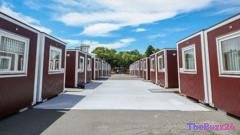
Beyond the discomfort of the container huts, which are intended for approximately 2,000 guests and designed for future use as disaster shelters, other issues have surfaced. A member of the South Korean basketball team shared a video depicting a leaking pipe and a waterlogged floor in his room, pleading for assistance. Furthermore, record rainfall in Nagoya last week led to brief evacuations from the container accommodations due to flooding, with water leakage also reported in some competition venues.
Organizers have acknowledged the complaints and stated they are taking steps to improve the situation. However, the reliance on temporary solutions like container housing and a docked cruise ship for thousands of attendees, alongside hotel stays, deviates from the more established athlete villages typically seen in major international sporting events. The logistical challenges have been exacerbated by an increase in expected attendees, leading to a budget and manpower shortfall for the organizing committee.
Key Takeaways
- Athletes at the Asian Games are facing cramped and inadequate accommodation in temporary container housing.
- Taller athletes are particularly affected, unable to comfortably use the beds provided in the container units.
- Issues such as leaking pipes and flooding due to heavy rain have further compounded the accommodation problems.
Editor’s Analysis & Impact
The accommodation challenges at the Asian Games highlight the complex logistical hurdles involved in hosting large-scale international events, especially when participant numbers exceed initial projections. The reliance on unconventional and temporary housing solutions like container units and cruise ships points to potential under-budgeting or planning oversights by the organizing committee. This situation could impact athlete performance and morale, and potentially tarnish the reputation of the Games. Moving forward, organizers of future events will need to prioritize robust and athlete-centric accommodation planning, ensuring sufficient capacity and quality to meet the needs of all participants, regardless of their physical stature.
Frequently Asked Questions
Q: What are the main complaints about the Asian Games accommodation?
A: The primary complaints revolve around the cramped conditions in temporary container housing, particularly the inadequacy of the beds for taller athletes. Additionally, issues like leaking pipes and flooding due to heavy rain have been reported.
Q: How many athletes and officials are expected at the Asian Games?
A: Over 17,000 athletes and officials are expected to attend the Asian Games, which is more than the initially anticipated 15,000.
Q: What alternative accommodation is being used besides the container huts?
A: Thousands of participants are also being housed on an Italian cruise ship docked in Nagoya, while others are staying in hotels. Some officials and coaches are reportedly using separate hotels and Airbnbs.
AI Disclosure: This article is based on verified data and official reports. Our Team and AI have cross-referenced every financial detail with primary sources to ensure total accuracy.
More from this Category