India’s Landmark UPI Payment System Introduces Merchant Fees, Sparking Debate
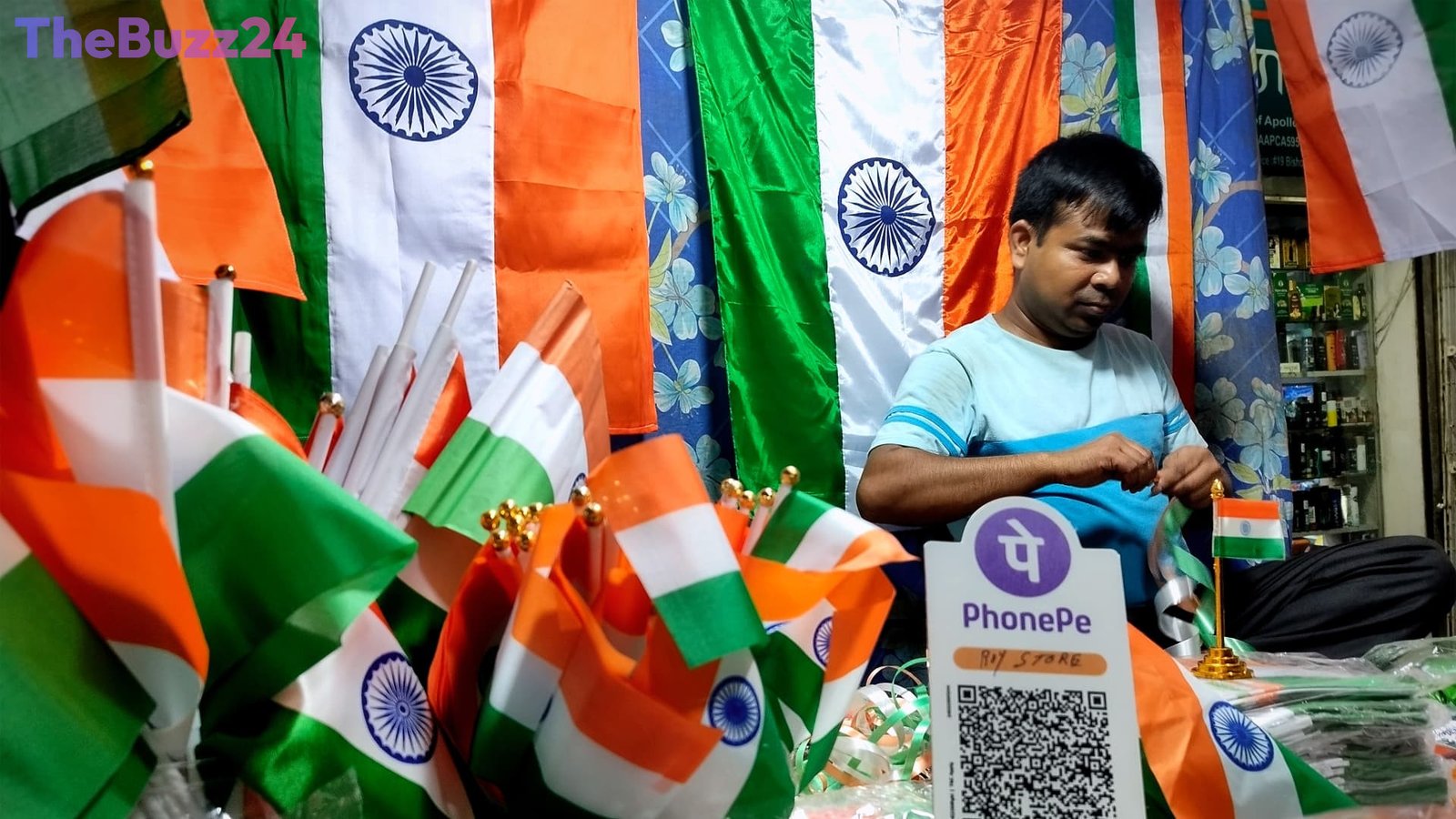
India’s Unified Payment Interface (UPI), the world’s largest real-time payments system by volume, is set to introduce a fee for merchants accepting payments above a certain threshold. This significant shift marks a departure from the system’s long-standing model of offering free services, which has been instrumental in popularizing cashless transactions across the nation.
The National Payments Corporation of India (NPCI) announced that merchants will incur a 0.4% charge on transactions exceeding 2,000 Indian rupees (approximately $20.84). This fee, however, will be capped at 300 rupees per transaction for amounts above 75,000 rupees. Crucially, person-to-person transactions will remain free of charge, preserving the accessibility for individual consumers. The NPCI emphasized that the new merchant fee is considerably lower than the charges associated with traditional debit and credit card transactions.
This policy change has ignited a vigorous discussion within India. While the government asserts that the move will not impede the country’s progress toward a cashless economy, critics have voiced concerns. Some question the necessity of introducing fees for a service previously lauded as a ‘digital public good.’ Political opponents have suggested the decision may be influenced by external pressures, particularly from the United States, which has previously raised concerns about the participation of its payment service providers in the UPI ecosystem.
Fintech companies, including those from Amazon Pay, Meta’s WhatsApp Pay, and Paytm, have largely welcomed the introduction of merchant fees. They argue that it will help generate revenue and strengthen the unit economics of payment platforms, many of which are heavily reliant on UPI. This move is expected to unlock a substantial revenue pool for the digital payments sector, potentially reaching billions of dollars annually. Despite the new charges, the UPI fee structure is still anticipated to remain highly competitive compared to existing card payment networks.
Key Takeaways
- India's UPI payment system will begin charging merchants a 0.4% fee for transactions over $20.
- Person-to-person UPI transactions will remain free, while the new merchant fees are significantly lower than credit/debit card charges.
- The introduction of merchant fees aims to generate revenue for payment platforms and has sparked debate about its impact on digital adoption and potential external influences.
Editor’s Analysis & Impact
The introduction of merchant fees on India’s UPI platform represents a pivotal moment for the nation’s digital payment landscape. While intended to bolster the financial sustainability of fintech players and potentially create a more level playing field, the move raises questions about the long-term implications for small businesses and the continued growth of cashless transactions. The government’s assertion that it will not hinder digital adoption will be tested, especially if the fees are perceived as a burden. This policy shift could also influence how other countries approach the monetization of their own digital payment infrastructures, balancing public good principles with commercial viability.
Frequently Asked Questions
Q: What is the UPI payment system?
A: UPI (Unified Payment Interface) is India's real-time, instant payment system developed by the National Payments Corporation of India (NPCI). It allows users to transfer funds between bank accounts instantly using a mobile interface, making it one of the world's largest digital payment platforms by transaction volume.
Q: Why is India introducing fees for UPI merchants?
A: The introduction of fees aims to generate revenue for the payment platforms and service providers that facilitate UPI transactions. It is also seen as a way to create a sustainable business model for these companies, which previously operated on a zero-fee model for merchants, and to potentially address concerns about a non-level playing field for international payment services.
Q: Will UPI still be free for individual users?
A: Yes, person-to-person transactions on UPI will continue to be free for individual users. The new fees are specifically targeted at merchants accepting payments above a certain amount.
AI Disclosure: This article is based on verified data and official reports. Our Team and AI have cross-referenced every financial detail with primary sources to ensure total accuracy.
More from this Category