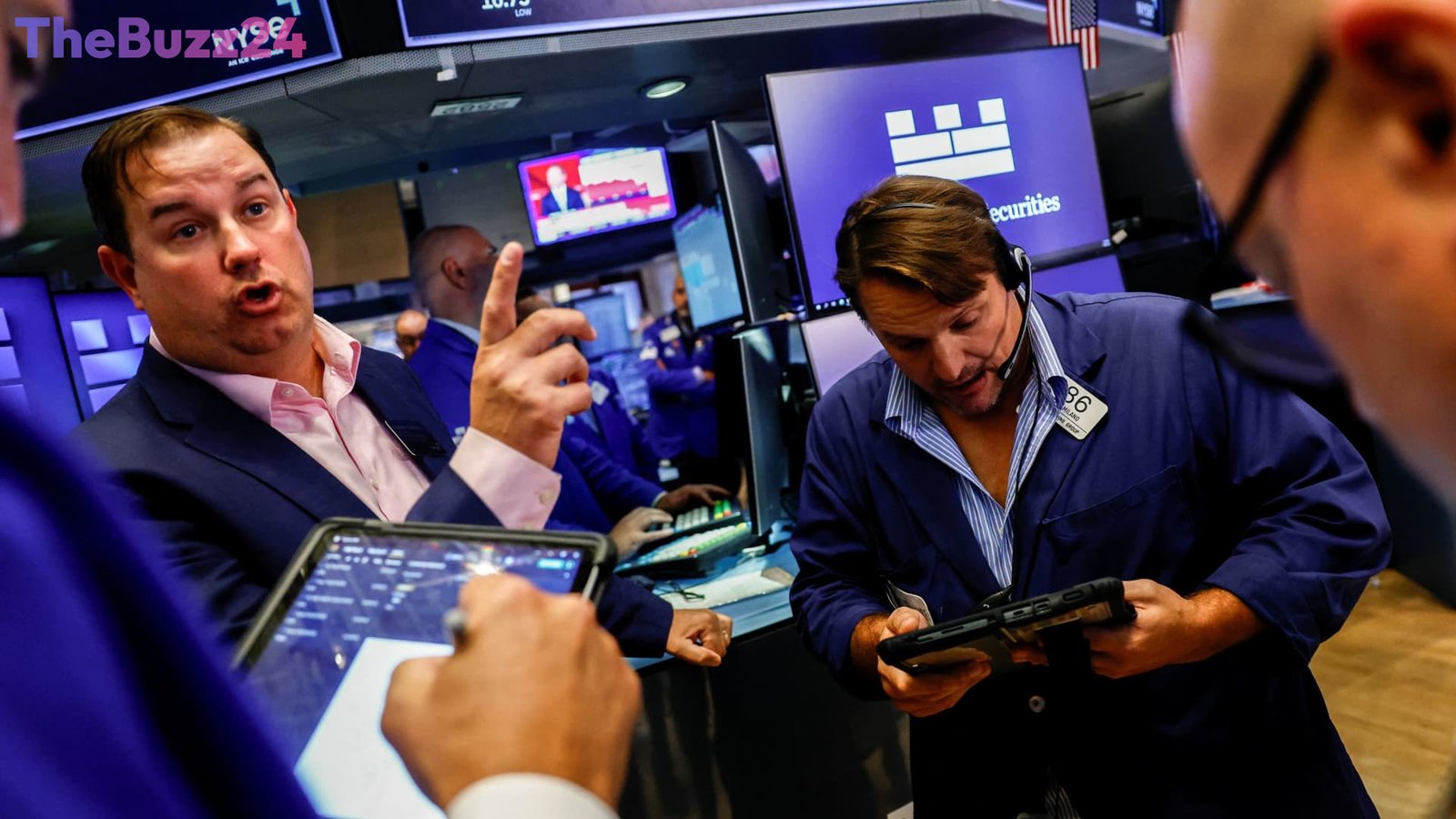
Markets React to Fed Rate Hike: Futures Edge Up After Initial Sell-Off
U.S. stock futures showed signs of recovery Wednesday evening, ticking upward after an earlier market sell-off triggered by the Federal Reserve’s announcement of its first interest rate increase in three years. Futures tied to the Dow Jones Industrial Average saw a modest gain of 72 points, or 0.1%, while S&P 500 futures climbed 0.2%, and Nasdaq-100 futures advanced by 0.4%.
During regular trading hours, the Dow Jones Industrial Average experienced a significant decline, shedding over 630 points, or 1.2%, with financial services companies bearing the brunt of the downturn. The broader S&P 500 index closed slightly lower by 0.5%, and the technology-focused Nasdaq Composite ended the session with marginal losses.
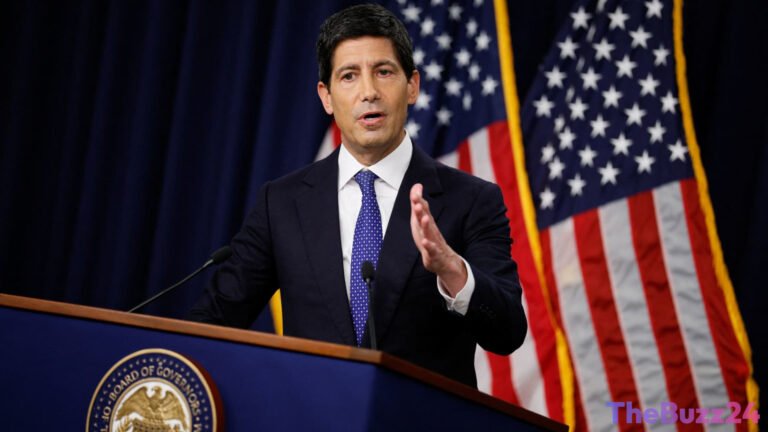
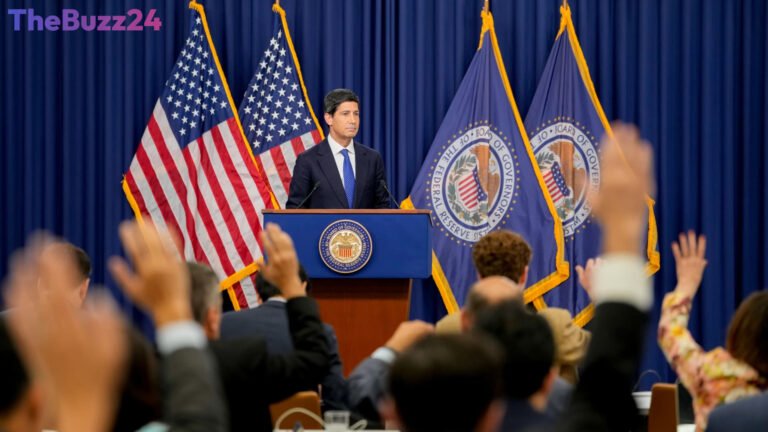
The Federal Reserve, in a widely anticipated decision, raised its benchmark federal funds rate by a quarter percentage point, bringing the target range to 3.75%-4%. Officials also indicated the possibility of further rate hikes later this year, citing persistent inflation concerns. August’s consumer price index data revealed an inflation rate of 3.4%, compounded by oil prices exceeding $100 per barrel, fueling these monetary policy adjustments.
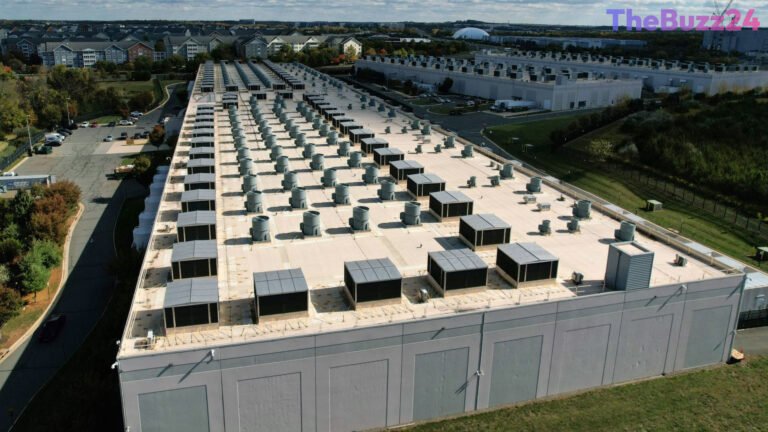
Market participants are now closely watching upcoming economic data releases, including weekly jobless claims and August housing starts, for further insights into the economy’s resilience amidst rising borrowing costs. Meanwhile, in extended trading, Generac’s stock surged over 30% following news that Amazon secured warrants to purchase up to $340 million of its shares, as part of an agreement for Generac to supply backup power generators for Amazon’s data centers.
Key Takeaways
- U.S. stock futures rose in evening trading after an initial sell-off following the Federal Reserve's quarter-point interest rate hike.
- The Federal Reserve signaled potential for further rate increases this year due to ongoing inflation concerns, with oil prices and CPI data contributing to the outlook.
- Generac's stock experienced a significant jump in after-hours trading due to a deal to supply backup power generators to Amazon's data centers.
Editor’s Analysis & Impact
The Federal Reserve’s latest rate hike, while anticipated, has injected a dose of volatility into the market, underscoring the ongoing battle against inflation. The immediate sell-off suggests investor sensitivity to tightening monetary policy, particularly given elevated oil prices and consumer costs. However, the subsequent recovery in futures indicates a potential for market stabilization as investors digest the Fed’s signals and await further economic indicators. The Generac-Amazon deal highlights a specific corporate success story amidst broader market uncertainty, demonstrating how strategic partnerships can drive significant stock performance, even in a challenging economic climate. The coming weeks will be crucial in determining whether this rate hike marks the beginning of a sustained tightening cycle or a singular adjustment.
Frequently Asked Questions
Q: Why did the Federal Reserve raise interest rates?
A: The Federal Reserve raised interest rates to combat persistent inflation, which remains elevated above their target level. The decision was made to help cool down the economy and bring inflation back under control.
Q: What is the significance of the Generac-Amazon deal?
A: The Generac-Amazon deal is significant because it involves Generac supplying backup power generators for Amazon's data centers. This partnership is expected to be substantial, with Amazon receiving warrants to purchase a significant value of Generac shares, leading to a notable increase in Generac's stock price.
Q: What economic data are investors watching closely after the Fed's decision?
A: Investors are closely monitoring upcoming economic data, including weekly jobless claims and housing starts, to gauge the impact of rising interest rates on the broader economy and consumer behavior.
AI Disclosure: This article is based on verified data and official reports. Our Team and AI have cross-referenced every financial detail with primary sources to ensure total accuracy.
More from this Category