Global Oil Prices Ease as Saudi Arabia Deploys Ship-to-Ship Transfers to Bypass Damaged Pipeline
Global crude prices continued their downward trend on Thursday as anxieties over supply disruptions in the Middle East began to subside. The market stabilization follows reports that Saudi Arabia is actively implementing alternative logistics strategies to bypass its recently damaged East-West pipeline. International benchmark Brent futures dipped slightly to hover around $105.81 per barrel, while U.S. West Texas Intermediate (WTI) crude fell marginally to $102.14 per barrel.
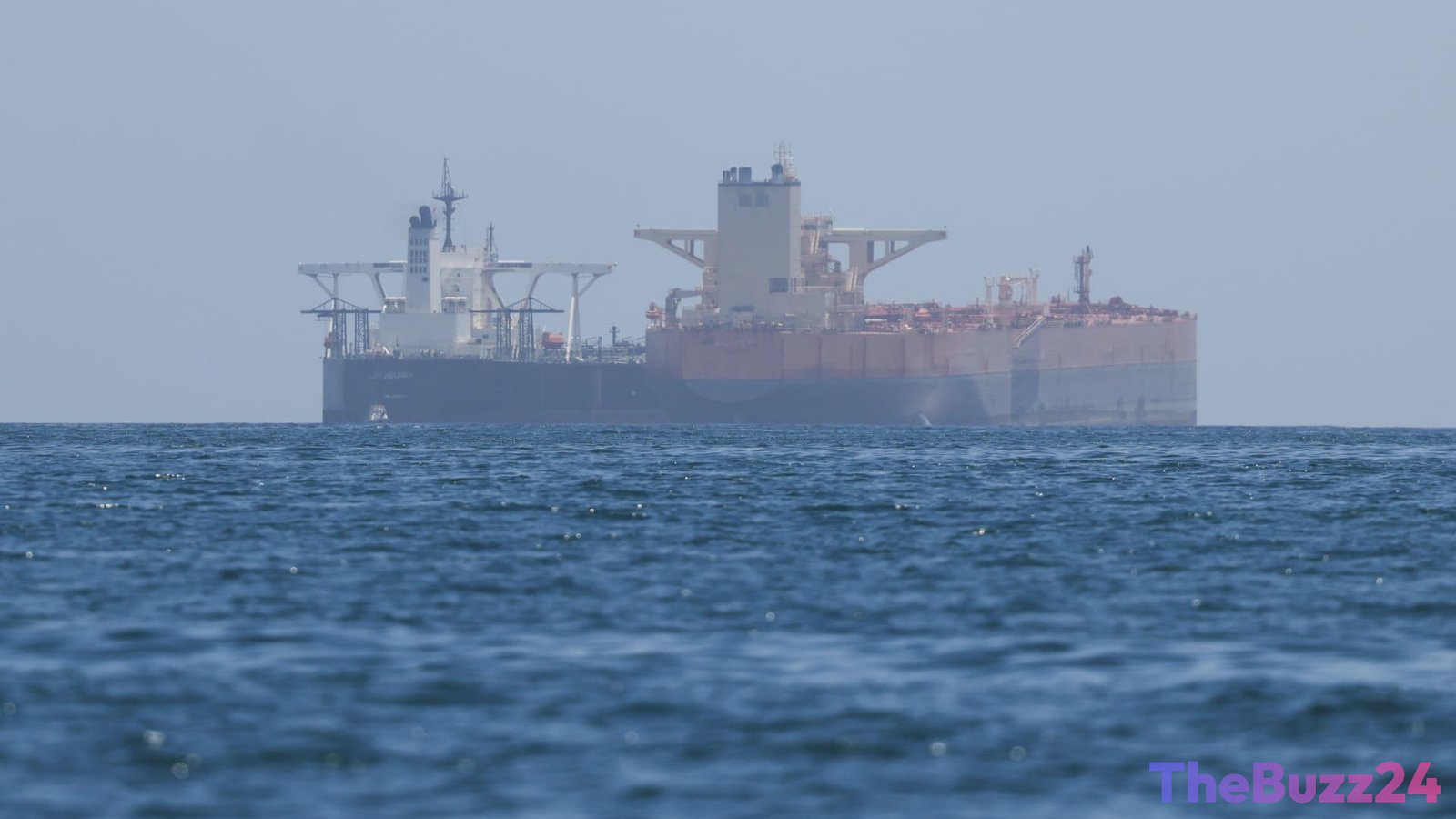
To mitigate the impact of the pipeline shutdown, Riyadh has initiated ship-to-ship crude transfers near Oman’s Sohar port, ensuring that Asian refiners continue to receive scheduled shipments. This tactical move comes after drone or missile strikes targeted the vital East-West pipeline, which connects Saudi oil fields to the Red Sea. The incident had previously forced a halt in crude loadings at the Yanbu export terminal and led to the cancellation of several shipments destined for European buyers.
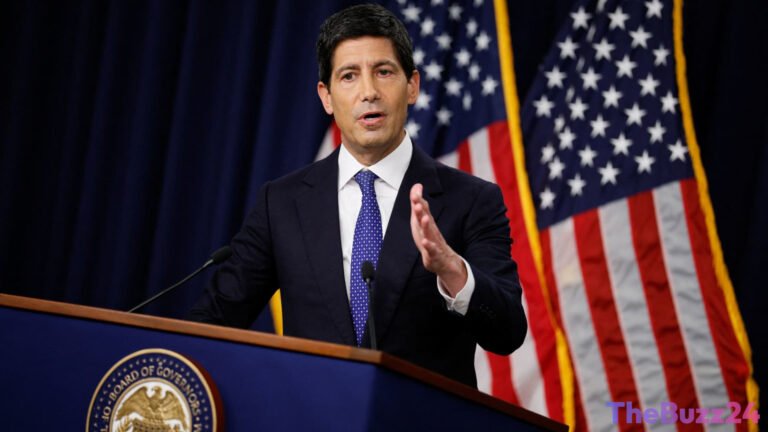
The Yanbu terminal has served as a critical alternative corridor for Saudi oil exports ever since Iran initiated a blockade of the Strait of Hormuz in late February, following military strikes by the United States and Israel. Despite the severity of the geopolitical backdrop, U.S. Energy Secretary Chris Wright offered a reassuring outlook, characterizing the pipeline outage as a brief and temporary disruption that would likely be resolved within a matter of days.
While the immediate supply patch has calmed energy traders, market analysts warn that the broader outlook remains highly sensitive to further escalations in the Middle East. According to market experts like Peter Massabni, continued volatility or deeper damage to regional energy infrastructure could reignite inflationary pressures, push global bond yields higher, and complicate the U.S. Federal Reserve’s monetary policy trajectory if energy costs remain elevated.
Key Takeaways
- Saudi Arabia is utilizing ship-to-ship transfers near Oman's Sohar port to maintain crude supply to Asia after attacks on its East-West pipeline.
- Global oil benchmarks, Brent and WTI, saw slight declines as immediate supply fears eased following assurances of a brief outage.
- The geopolitical situation remains tense, with the Yanbu terminal acting as a critical route due to the ongoing blockade of the Strait of Hormuz.
Editor’s Analysis & Impact
The swift action by Saudi Arabia to initiate ship-to-ship transfers highlights the growing resilience and adaptability of global energy supply chains under geopolitical duress. However, this temporary fix does not eliminate the systemic vulnerabilities currently plaguing the Middle East. With the Strait of Hormuz blockaded and key pipelines targeted, the margin for error in global oil logistics has shrunk dramatically. If tensions between regional powers escalate further, the resulting supply shocks could easily reverse the current downward trend in oil prices. For central banks, particularly the U.S. Federal Reserve, persistent energy price volatility represents a major hurdle in the fight against inflation, potentially delaying anticipated interest rate cuts and dampening global economic growth prospects.
Frequently Asked Questions
Q: Why did oil prices fall despite the pipeline attack?
A: Prices eased because Saudi Arabia quickly implemented alternative export routes, including ship-to-ship transfers near Oman, and U.S. officials reassured the market that the pipeline disruption would be temporary.
Q: What is the significance of the Yanbu export terminal?
A: Yanbu has become Saudi Arabia's primary alternative route for oil exports to bypass the Strait of Hormuz, which has been blockaded by Iran following military conflicts in the region.
Q: How could ongoing Middle East tensions affect the broader economy?
A: Prolonged conflict could lead to deeper energy supply disruptions, keeping fuel prices high, driving up inflation, and forcing central banks to maintain higher interest rates for longer.
AI Disclosure: This article is based on verified data and official reports. Our Team and AI have cross-referenced every financial detail with primary sources to ensure total accuracy.
More from this Category