Fed Chair Warsh Defies Trump with Rate Hike, Rekindling Independence Battle
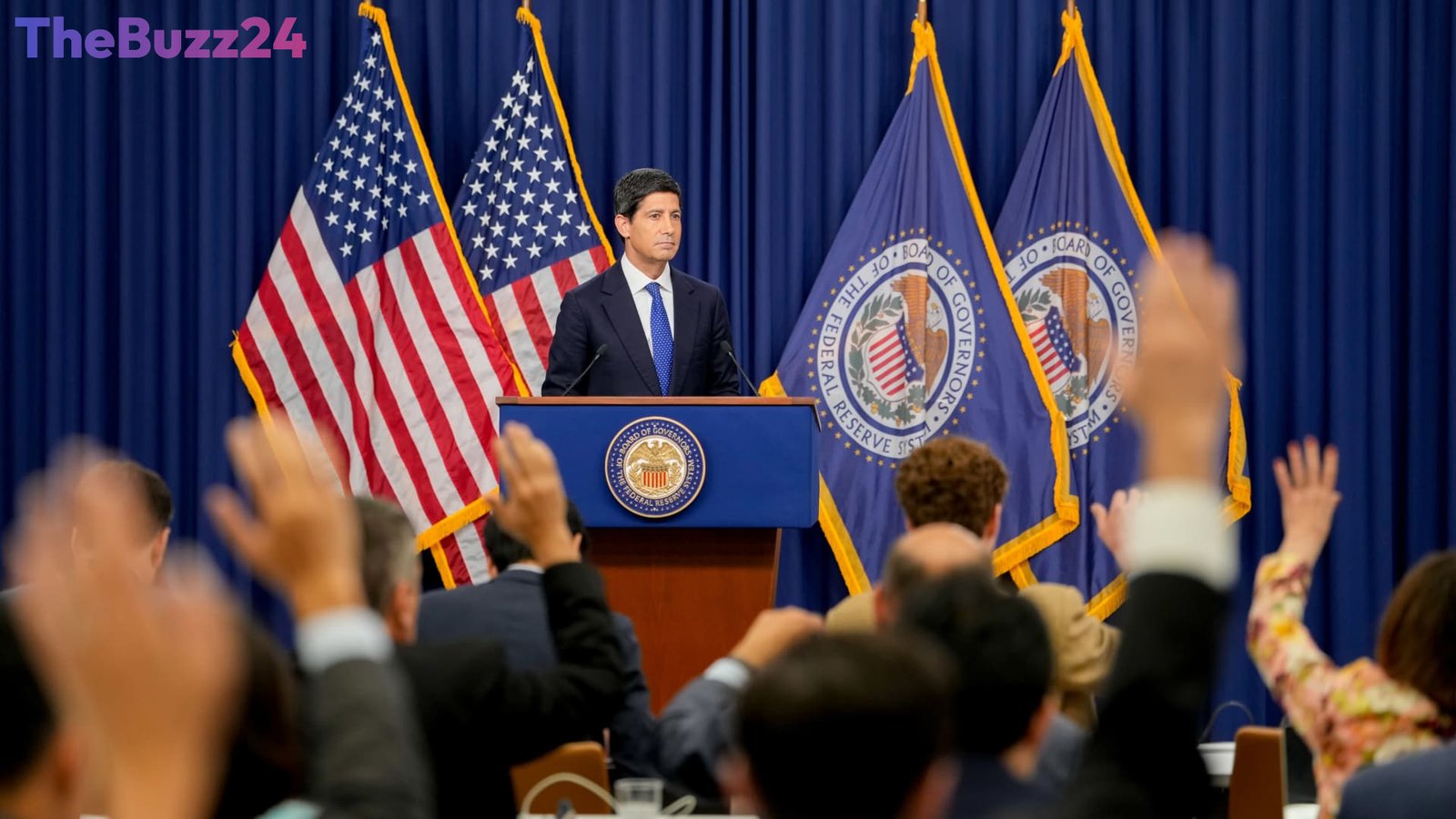
Federal Reserve Chairman Kevin Warsh has signaled a firm stance on monetary policy independence, voting with the unanimous Federal Open Market Committee (FOMC) to raise interest rates by a quarter-point. This decision directly contrasts with repeated public calls from President Donald Trump and his administration for lower rates, reigniting a long-standing tension between the White House and the central bank.
Despite President Trump’s persistent urgings for rate cuts or at least a hold, Warsh proceeded with the increase, citing concerns over inflation remaining above the Fed’s 2% target. In a press conference following the FOMC meeting, Warsh did not directly address the President’s commentary but emphasized his focus on economic indicators. White House spokesman Kush Desai expressed disappointment, stating the decision lacked a compelling economic justification from the administration’s perspective. President Trump later took to social media to reiterate his view that U.S. interest rates should be significantly lower, asserting the nation’s strong creditworthiness.
The move by Warsh, whom Trump appointed to lead the Fed after expressing dissatisfaction with former Chair Jerome Powell, underscores the complex dynamics at play. Trump had previously voiced frustration with Powell’s decisions, including a rate cut in September 2024, which he perceived as politically motivated. While Trump has publicly stated trust in Warsh, his administration has also explored avenues to challenge Fed officials, including attempts to remove Governor Lisa Cook and scrutiny of Vice Chair for Supervision Michael Barr. These actions, coupled with past investigations into Fed officials, suggest a potential for renewed conflict over the Fed’s autonomy should President Trump seek to exert further influence.
Historically, the Fed has adjusted interest rates in proximity to elections, challenging the notion of a strict tradition against intervention. The FOMC’s decision, made with ample time before upcoming elections, aligns with past instances where monetary policy adjustments occurred during similar political calendars. This latest rate hike, driven by Warsh’s assessment of economic conditions, serves as a clear demonstration of the Fed’s commitment to its mandate, potentially surprising those who anticipated a more compliant stance from a Trump appointee.
Key Takeaways
- Federal Reserve Chairman Kevin Warsh approved a 25-basis-point interest rate hike, defying President Trump's calls for lower rates.
- The decision was based on inflation concerns, with Warsh emphasizing economic factors over political pressure.
- The rate hike renews scrutiny on the relationship between the White House and the independent Federal Reserve, with potential for further conflict.
Editor’s Analysis & Impact
This rate hike by Chairman Warsh represents a significant assertion of the Federal Reserve’s independence, directly challenging President Trump’s vocal influence on monetary policy. The decision underscores the inherent tension between political objectives and the Fed’s mandate to manage inflation and economic stability. While Trump has appointed officials he believes will align with his economic vision, the Fed’s actions demonstrate that its decision-making process remains anchored to economic data. The potential for the White House to explore further actions against Fed officials, as seen in past attempts, suggests that this battle for the Fed’s autonomy is far from over and could have broader implications for market confidence and economic policy predictability.
Frequently Asked Questions
Q: Why did the Federal Reserve raise interest rates?
A: The Federal Reserve raised interest rates by 25 basis points primarily due to concerns that inflation remained above the Fed's target of 2%.
Q: What is the Federal Reserve's independence?
A: The Federal Reserve's independence refers to its ability to make monetary policy decisions based on economic data and its mandate, free from direct political pressure from the President or Congress. This independence is crucial for maintaining long-term economic stability.
Q: What actions has President Trump taken regarding the Federal Reserve?
A: President Trump has publicly criticized Fed policy, advocated for lower interest rates, and appointed key officials like Chairman Warsh. His administration has also explored legal and administrative avenues to challenge Fed officials, such as attempts to remove Governor Lisa Cook.
AI Disclosure: This article is based on verified data and official reports. Our Team and AI have cross-referenced every financial detail with primary sources to ensure total accuracy.
More from this Category