Congress Passes Sweeping Russia Sanctions Bill, Heads to Trump’s Desk
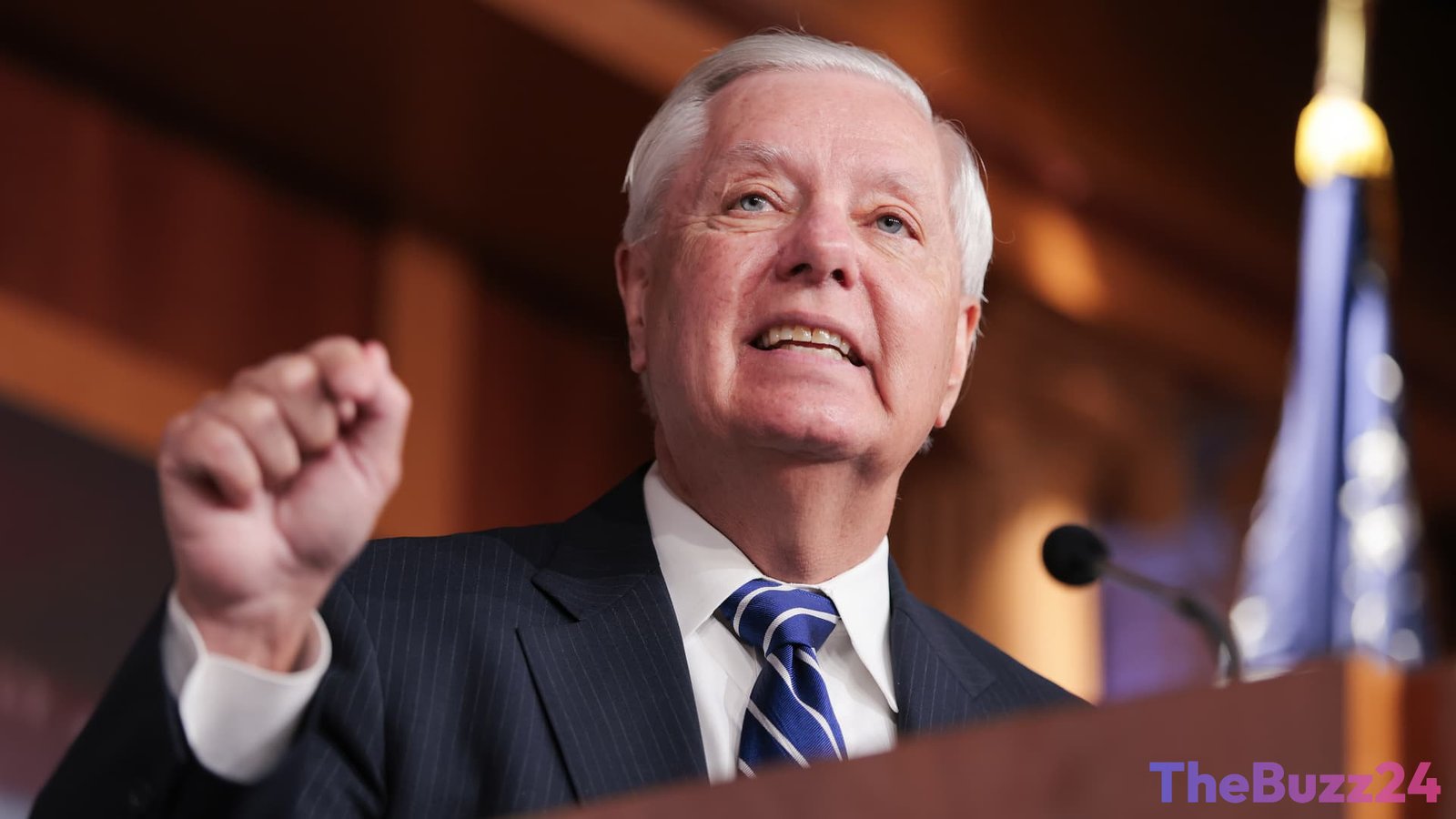
The U.S. Congress has successfully passed a comprehensive sanctions bill targeting Russia, sending the legislation to President Donald Trump for his signature. The measure, which originated over a year ago with the late Senator Lindsey Graham (R-S.C.), aims to intensify economic pressure on Russia in response to its ongoing full-scale invasion of Ukraine, while also expanding existing sanctions on Iran.
Formally titled the Lindsey O. Graham Sanctioning Russia and Iran Act of 2026, the bill’s core provisions include empowering the President to levy tariffs of up to 100% on countries identified as top purchasers of Russian crude oil or gas, such as China and India. These oil sales are a critical funding source for Russia’s military efforts. Additionally, the legislation mandates sanctions against Russian leaders, government officials, and financial institutions, further isolating Moscow from the global economy.
The bill garnered significant bipartisan support, passing the House by a vote of 262-159 and the Senate by an overwhelming 86-11 margin. However, not all lawmakers were in agreement. Several House Democrats, including Reps. Gregory Meeks (D-N.Y.), Don Beyer (D-Va.), and Richard Neal (D-Ma.), voiced strong opposition, arguing that while they support Ukraine, the bill grants the President excessive tariff authority that could harm American consumers and potentially undermine long-term support for Ukraine. Rep. Meeks specifically stated concerns about granting the President more tariff power that could be abused.
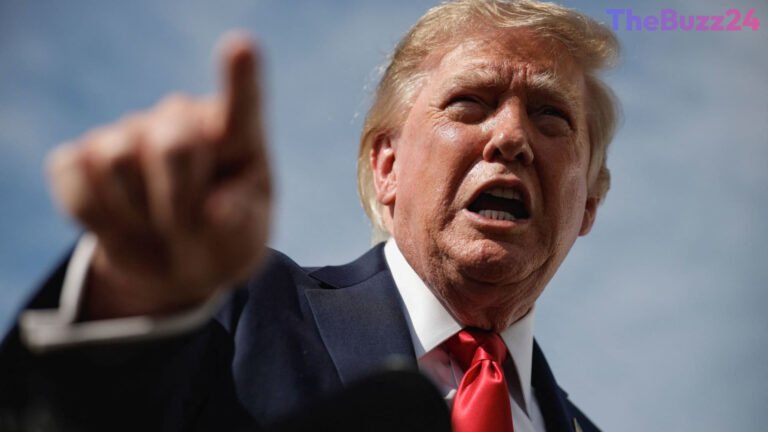
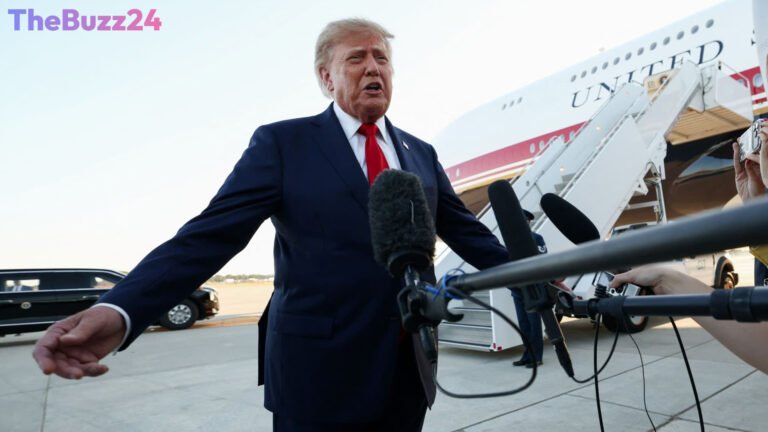
Conversely, proponents like Rep. Michael McCaul (R-Texas), who collaborated with Senator Graham on the bill, asserted that the legislation is a vital tool to compel Russian President Vladimir Putin to engage in peace negotiations. A White House official has confirmed that President Trump intends to sign the bill into law, signaling a unified executive and legislative front in increasing economic pressure on Russia.
Key Takeaways
- The U.S. Congress passed a bipartisan bill imposing new sanctions on Russia and expanding existing ones on Iran, now awaiting President Trump's signature.
- The legislation targets Russia's oil and gas revenues by allowing tariffs up to 100% on major purchasing countries and sanctions on Russian leaders, officials, and financial institutions.
- Despite broad support, some lawmakers expressed concerns that the bill grants the President excessive tariff authority, potentially raising prices for Americans and undermining long-term support for Ukraine.
Editor’s Analysis & Impact
The passage of this comprehensive sanctions bill marks a significant escalation in the economic pressure exerted by the U.S. on Russia. For global markets, particularly the energy sector, the potential for 100% tariffs on Russian oil and gas buyers could introduce considerable volatility. Countries like China and India, major importers of Russian energy, may face difficult choices, potentially leading to shifts in global trade routes and increased energy costs. This could also accelerate efforts by these nations to diversify their energy sources or seek alternative payment mechanisms, further fragmenting global financial systems.
The future outlook suggests that if signed into law, the bill will likely intensify Russia’s economic isolation, potentially impacting its ability to sustain its military operations in Ukraine. However, its ultimate effectiveness will depend on the enforcement mechanisms and the willingness of targeted nations to comply. Broader implications include a potential re-evaluation of presidential powers regarding trade and tariffs, as highlighted by the dissenting lawmakers, and a reinforcement of the U.S.’s commitment to leveraging economic tools in geopolitical conflicts. This move could also prompt retaliatory measures from Russia or its allies, further complicating international relations.
Frequently Asked Questions
Q: What is the primary goal of the new sanctions bill?
A: The primary goal of the Lindsey O. Graham Sanctioning Russia and Iran Act of 2026 is to penalize Russia for its invasion of Ukraine by targeting its economy, particularly its critical oil and gas revenues, and to expand existing sanctions on Iran.
Q: How does the bill aim to achieve its objectives against Russia?
A: The bill empowers the President to impose tariffs of up to 100% on countries that are top purchasers of Russian crude oil or gas. It also mandates sanctions on Russian leaders, government officials, and financial institutions, aiming to cripple Russia's war machine.
Q: Why did some lawmakers oppose the bill despite its bipartisan support?
A: Opponents, primarily some House Democrats, expressed concerns that the bill grants the President excessive and potentially abusable tariff authority. They argued that such broad powers could lead to increased prices for American consumers and potentially undermine long-term support for Ukraine.
AI Disclosure: This article is based on verified data and official reports. Our Team and AI have cross-referenced every financial detail with primary sources to ensure total accuracy.
More from this Category