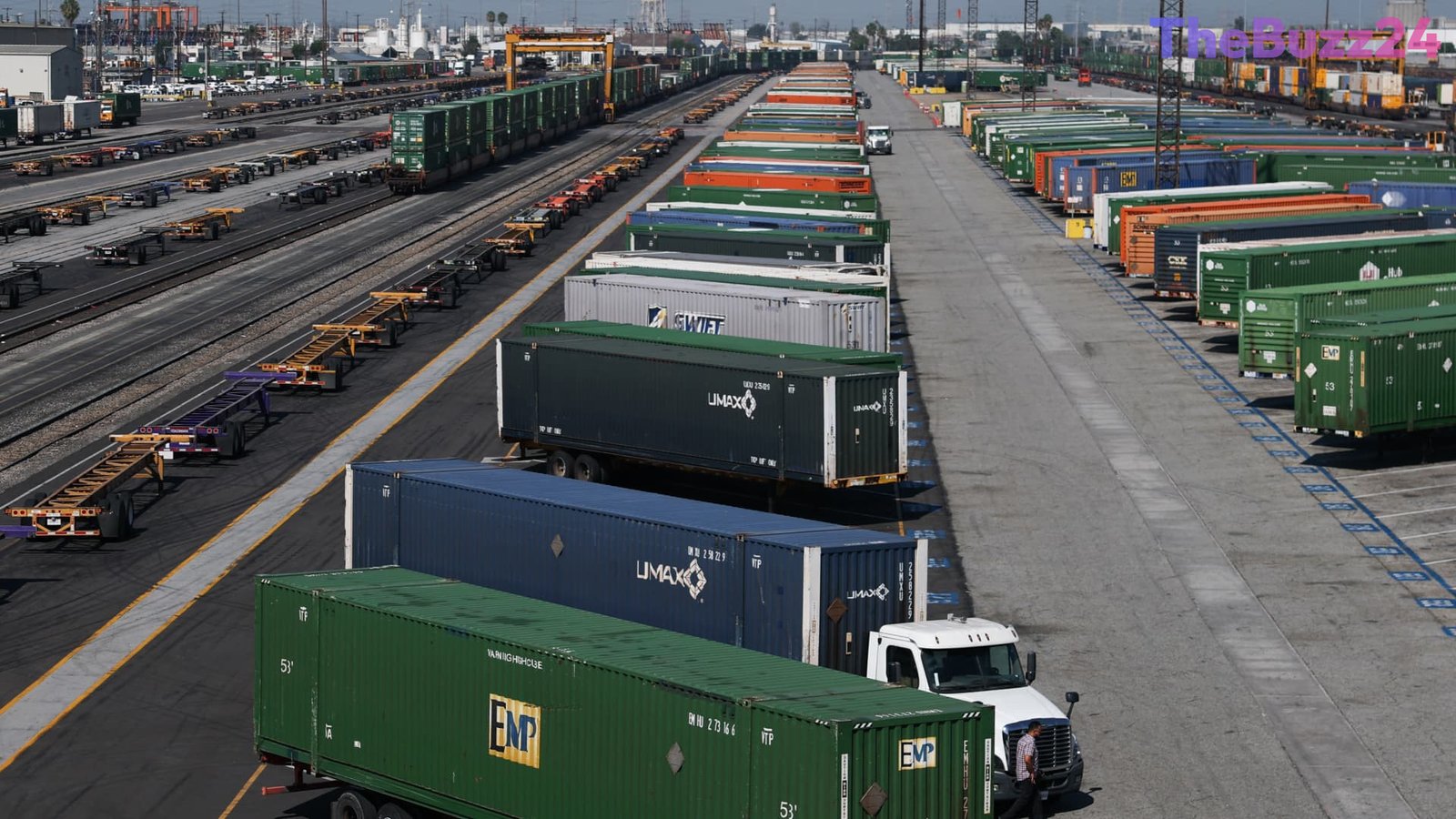
Record Diesel Prices Threaten to Disrupt National Supply Chains
The transportation sector, a critical pillar of the national economy, is facing unprecedented operational challenges as diesel fuel prices reach historic highs. With costs climbing to approximately $6.31 per gallon, the industry is grappling with a 70% surge in fuel expenses compared to the previous year. This rapid escalation, largely attributed to supply shocks stemming from geopolitical instability, is forcing major logistics firms to reassess their financial outlooks and operational strategies.
Industry leaders are sounding the alarm, with executives from major trucking and railway firms describing the current price environment as surreal. J.B. Hunt, a prominent player in the logistics space, has signaled a potential earnings decline of 5% to 10% for the upcoming quarter, leading to significant volatility in its stock performance. The broader Dow Jones Transportation Average has also felt the pressure, reflecting widespread investor concern regarding the sustainability of current profit margins in an environment of ballooning overhead.
Regional disparities are further complicating the landscape, with some areas seeing prices exceed $8 per gallon. As the fall harvest season approaches, the agricultural sector is particularly vulnerable, as increased transportation costs for crops like corn and wheat threaten to ripple through the supply chain. While retail sales have shown resilience thus far, analysts warn that the cumulative effect of these fuel costs will eventually necessitate price adjustments that could impact the average consumer at the grocery store and beyond.
Despite the immediate economic strain, some market observers suggest that this crisis may accelerate the adoption of alternative technologies. The pressure to mitigate fuel-related volatility is driving increased interest in autonomous trucking and electric freight solutions. As companies look for ways to insulate their bottom lines from energy market fluctuations, the push toward electrification and automation may transition from a long-term goal to an immediate strategic necessity.
Key Takeaways
- Diesel prices have hit record highs, surging over 70% year-over-year and placing immense pressure on the transportation sector.
- Major logistics companies are reporting significant earnings risks, with some forecasting double-digit declines due to rising operational costs.
- The sustained spike in fuel prices is expected to eventually impact consumer prices, particularly for food and agricultural goods.
Editor’s Analysis & Impact
The current surge in diesel prices represents a systemic risk to the broader economy, given that transportation costs are embedded in the price of nearly every consumer good. The immediate impact is a margin squeeze for logistics providers, but the long-term implication is a structural shift in how freight is moved. We are likely to see an accelerated capital expenditure cycle as companies pivot toward electric and autonomous fleets to hedge against future fossil fuel volatility. While the economy has shown surprising resilience in retail spending, the ‘sticker shock’ at the grocery store—driven by these transportation costs—could eventually dampen consumer sentiment. The industry is at a crossroads where efficiency gains through technology are no longer just a competitive advantage, but a requirement for survival in a high-energy-cost environment.
Frequently Asked Questions
Q: Why are diesel prices currently at record highs?
A: The surge is primarily driven by a supply shock resulting from ongoing geopolitical conflict, which has severely restricted fuel availability and pushed prices up by over 70% compared to last year.
Q: How do rising diesel costs affect the average consumer?
A: While fuel costs are initially absorbed by farmers, transporters, and retailers, these expenses are eventually passed down to consumers in the form of higher prices for goods, particularly groceries and dining.
AI Disclosure: This article is based on verified data and official reports. Our Team and AI have cross-referenced every financial detail with primary sources to ensure total accuracy.
More from this Category