Treasury Yields Surge Past 5% as Federal Reserve Hikes Rates Amid Persistent Inflation Concerns
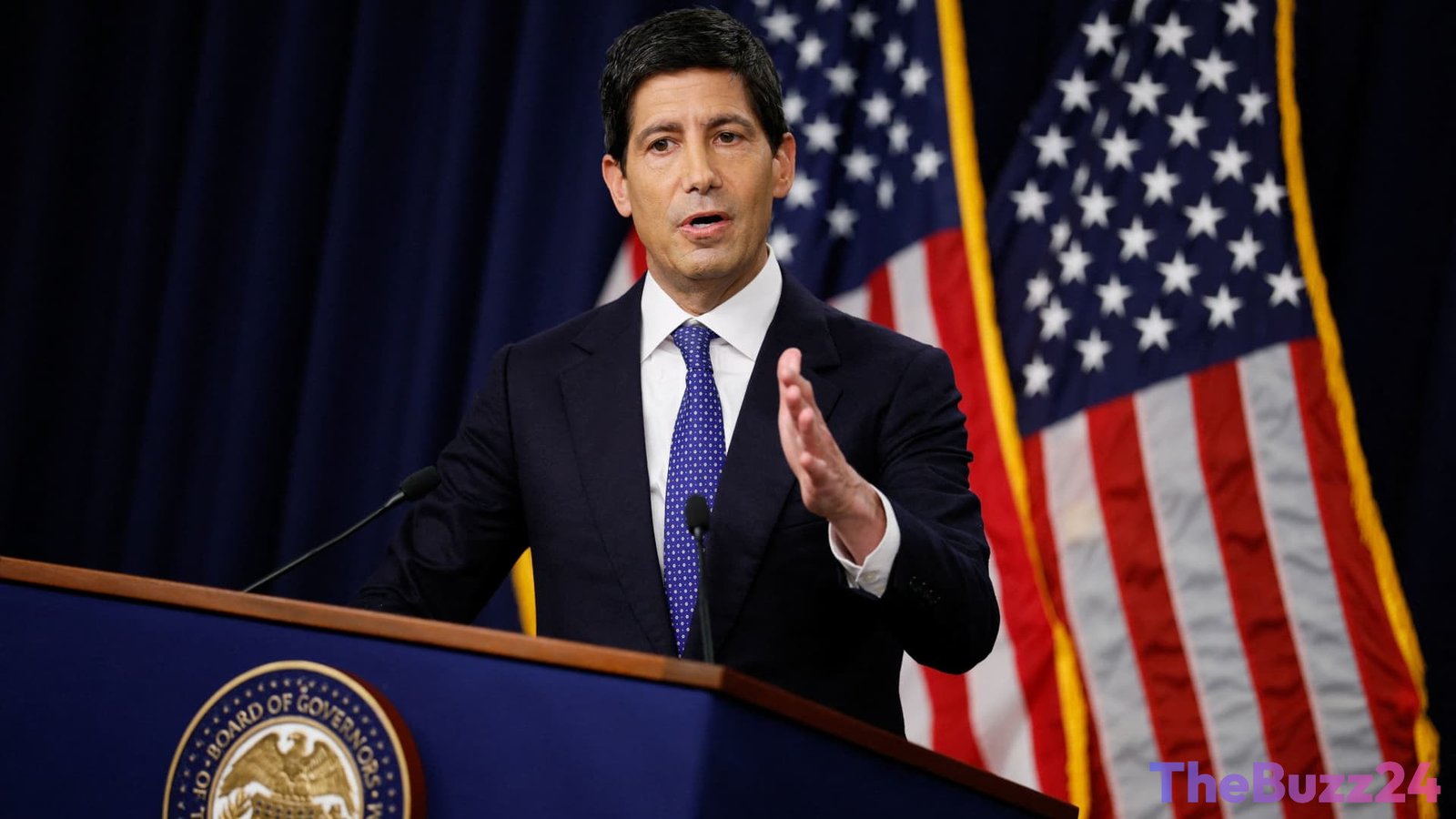
The benchmark 10-year Treasury note yield has climbed above the critical 5% threshold, a significant move that follows a recent interest rate increase by the Federal Reserve and explicit warnings from Chairman Kevin Warsh regarding ongoing inflation risks. This surge in the 10-year yield, which reached 5.016%, was accompanied by a rise in the 2-year Treasury note yield, indicating a broad market reaction to the central bank’s actions and economic outlook.
In its first rate hike in three years, the Federal Reserve adjusted its overnight lending rate to a new range of 3.75%-4%, up from the previous 3.5%-3.75%. The policymaking committee underscored its commitment to bringing inflation back down to its 2% target, stating that “Inflation remains elevated. Today’s policy action will support a timelier return to the Committee’s 2 percent goal.” This decisive action reflects the Fed’s growing concern over the sustained upward pressure on prices.
The inflationary environment has been exacerbated by a sharp increase in global oil prices, largely attributed to escalations in the U.S.-Iran conflict. These elevated energy costs have begun to filter into broader economic indicators, including recent consumer price index figures, which have shown persistent inflation. Chairman Warsh reiterated the urgency of the situation, noting that “Inflation is too high and has been for too long,” and that recent readings do not suggest a meaningful improvement in underlying trends.
Looking ahead, market experts are closely monitoring the Fed’s future trajectory. Kay Haigh, global head and CIO of fixed income and liquidity solutions at Goldman Sachs Asset Management, suggested that while the Fed may not envisage an aggressive tightening cycle, further hikes are anticipated. The consensus among many Federal Open Market Committee members points to a total of two hikes this year, with a potential additional increase in December, though this remains contingent on upcoming inflation reports and the trajectory of energy prices.
Key Takeaways
- The 10-year Treasury yield surpassed 5% following a Federal Reserve rate hike, signaling heightened market concern over inflation.
- The Federal Reserve increased its overnight lending rate to 3.75%-4% in its first hike in three years, explicitly targeting persistently high inflation partly fueled by rising oil prices.
- Analysts anticipate further rate hikes this year, with future decisions heavily dependent on upcoming inflation data and global energy price movements.
Editor’s Analysis & Impact
The surge in Treasury yields past 5% and the Federal Reserve’s rate hike mark a critical juncture for financial markets and the broader economy. Higher yields translate to increased borrowing costs for businesses and consumers, potentially dampening investment, slowing economic growth, and impacting mortgage rates. This aggressive stance by the Fed underscores its commitment to taming inflation, even at the risk of a potential economic slowdown. The interplay between geopolitical tensions driving oil prices and domestic inflation data will continue to dictate the Fed’s policy path. Investors should brace for continued volatility, as the central bank navigates the delicate balance between price stability and economic expansion, with implications for corporate earnings, consumer spending, and global capital flows.
Frequently Asked Questions
Q: What is the significance of the 10-year Treasury yield crossing 5%?
A: The 10-year Treasury yield is a key benchmark for interest rates across the economy, influencing everything from mortgage rates to corporate borrowing costs. When it crosses a significant threshold like 5%, it signals a tightening of financial conditions, reflecting market expectations of higher inflation and/or further interest rate hikes by the Federal Reserve.
Q: Why did the Federal Reserve raise interest rates?
A: The Federal Reserve raised interest rates primarily to combat persistently high inflation. By increasing the cost of borrowing, the Fed aims to cool down economic demand, which in turn should help to bring prices back down towards its long-term target of 2% inflation. The decision was also influenced by factors like rising oil prices and strong consumer price index figures.
Q: How do rising oil prices affect inflation and interest rates?
A: Rising oil prices directly contribute to inflation by increasing the cost of transportation, manufacturing, and energy for both businesses and consumers. This 'cost-push' inflation can then prompt central banks like the Federal Reserve to raise interest rates to counteract the broader inflationary pressures and prevent them from becoming entrenched in the economy.
AI Disclosure: This article is based on verified data and official reports. Our Team and AI have cross-referenced every financial detail with primary sources to ensure total accuracy.
More from this Category