Federal Reserve Defies Political Pressure, Hikes Interest Rates to Combat Inflationary Pressures
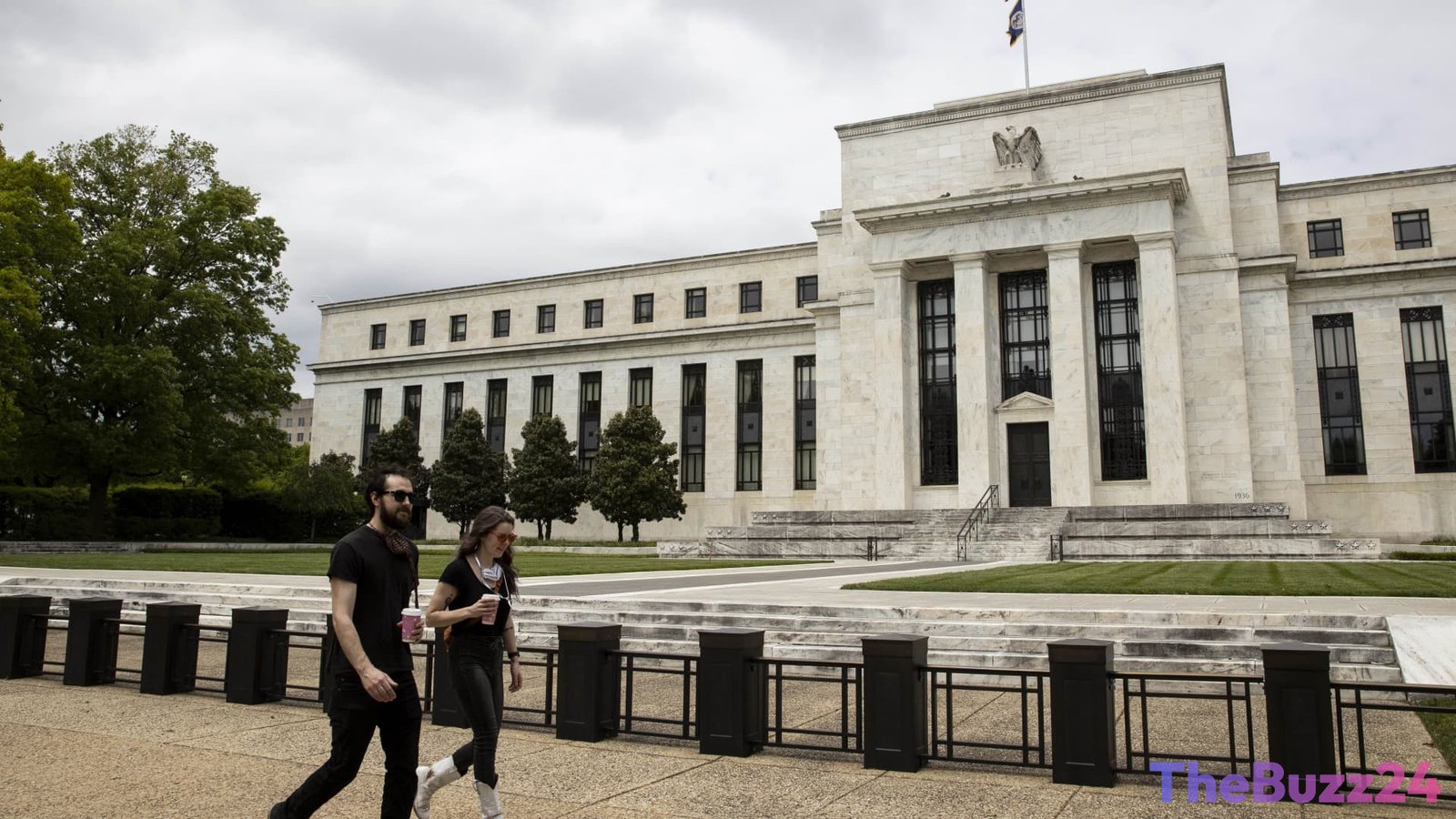
In a decisive move to curb persistent inflation, the Federal Reserve has raised its benchmark interest rate by a quarter percentage point, bringing the target range to 3.75% to 4.0%. The decision, finalized at the conclusion of the central bank’s September meeting, marks the first rate hike since July 2023. Led by Chairman Kevin Warsh, the Federal Open Market Committee opted for tighter monetary policy despite ongoing public pressure from President Donald Trump, who has consistently advocated for rate cuts to bolster economic growth.
The central bank’s hawkish stance comes in response to rising consumer prices, which spiked again in August amid geopolitical tensions and the ongoing conflict with Iran. This rate adjustment is poised to ripple across the entire financial system, directly affecting borrowing costs for millions of American households. While wealthier and older households with locked-in low-rate mortgages and substantial savings may benefit from higher yields, lower-income families and those carrying variable-rate debt are expected to face immediate financial strain.
The rate hike will immediately impact variable-rate financial products. Credit card annual percentage rates (APRs) are projected to rise in tandem with the prime rate, potentially costing consumers billions in additional interest charges over the coming year. In the housing sector, while fixed-rate mortgages are tied to the 10-year Treasury yield rather than the federal funds rate directly, yields have already spiked to multi-decade highs on inflation fears, pushing new mortgage rates upward. Home equity lines of credit (HELOCs) and adjustable-rate mortgages (ARMs) will see more immediate upward adjustments.
Prospective car buyers and private student loan borrowers will also feel the squeeze, as new auto loans and variable-rate educational loans become more expensive. On a positive note, savers stand to benefit. Financial institutions are expected to boost yields on high-yield savings accounts, certificates of deposit (CDs), and money market funds, offering a silver lining for those looking to grow their cash reserves in a high-rate environment.
Key Takeaways
- The Federal Reserve raised its benchmark interest rate by 25 basis points to a target range of 3.75% to 4.0%, marking the first hike since July 2023.
- The rate hike was driven by persistent inflation fueled by geopolitical tensions with Iran, despite political pressure from President Donald Trump for lower rates.
- While the move increases borrowing costs for credit cards, auto loans, and mortgages, it offers higher yields for savers using high-yield savings accounts and CDs.
Editor’s Analysis & Impact
The Federal Reserve’s decision to raise rates highlights its commitment to price stability over political expediency. By defying calls from the executive branch for rate cuts, the central bank under Chairman Kevin Warsh has reasserted its institutional independence. However, this hike comes at a delicate time for the U.S. economy. With geopolitical conflicts driving energy and commodity prices higher, the Fed is forced to cool demand even as households grapple with elevated living costs. In the medium term, we expect a cooling of the housing and auto markets as financing costs reach multi-year highs. For investors, this environment favors cash and short-term fixed-income instruments, while highly leveraged corporations may face refinancing headwinds. The broader implication is a prolonged period of ‘higher-for-longer’ rates, signaling that the battle against inflation is far from over.
Frequently Asked Questions
Q: Why did the Federal Reserve raise interest rates now?
A: The Fed raised rates to combat stubborn inflation and rising consumer prices, which have been exacerbated by geopolitical tensions and the conflict with Iran.
Q: How will this rate hike affect my credit card debt?
A: Since most credit cards have variable interest rates tied to the prime rate, cardholders can expect their APRs to increase by about 0.25% within a few billing cycles, raising monthly interest charges.
Q: Is there any benefit to this rate increase?
A: Yes, savers will benefit. Yields on high-yield savings accounts, certificates of deposit (CDs), and money market accounts are expected to rise, offering better returns on deposits.
AI Disclosure: This article is based on verified data and official reports. Our Team and AI have cross-referenced every financial detail with primary sources to ensure total accuracy.
More from this Category