Trump Signals Hope for End to Iran Conflict as Regional Tensions and Oil Market Pressures Mount
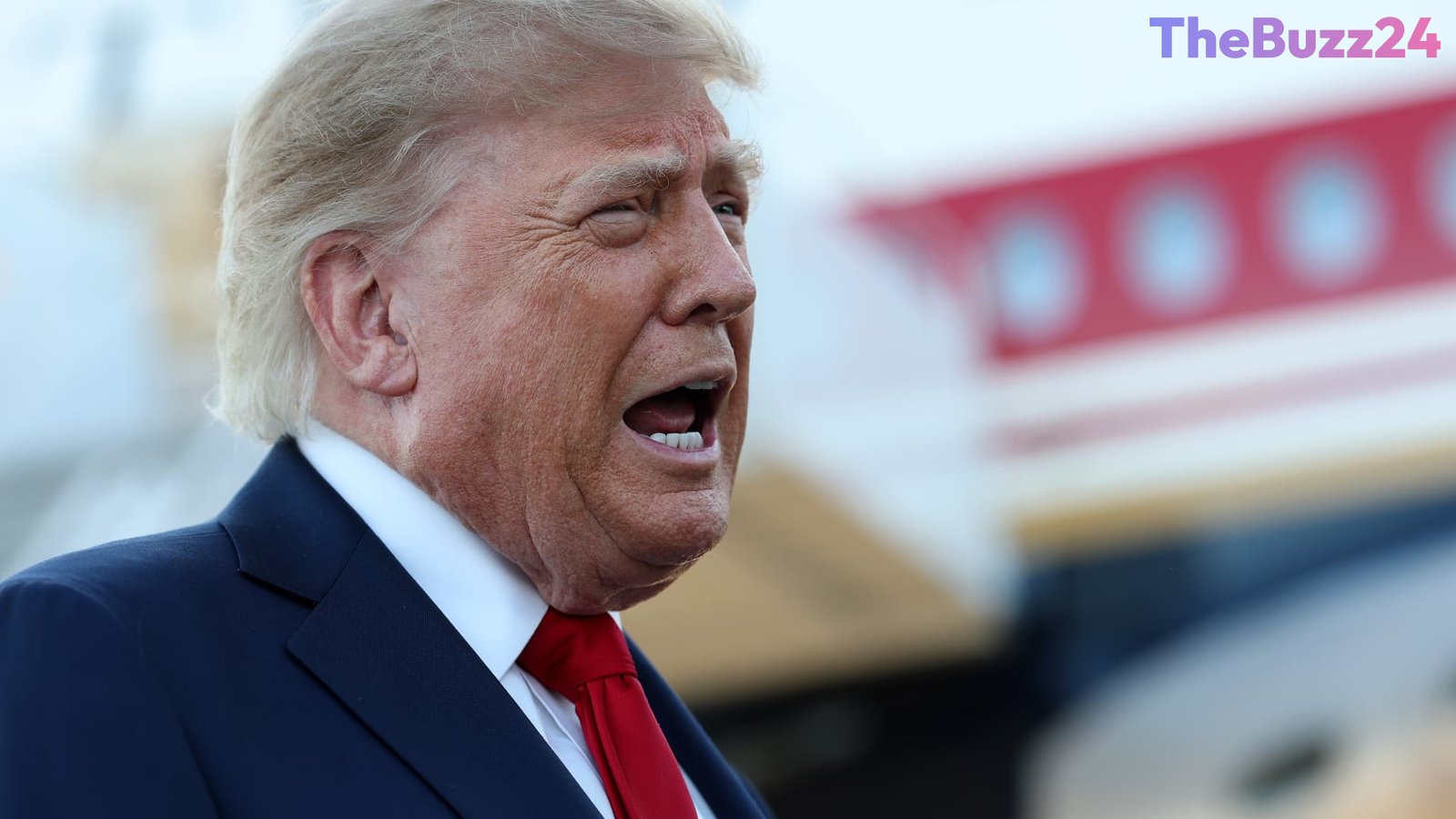
United States President Donald Trump has expressed optimism that the ongoing military engagement with Iran could be nearing its conclusion, suggesting that Tehran may be receptive to diplomatic negotiations. Speaking to reporters in North Carolina, Trump indicated that direct communications have taken place, though specific details regarding a potential framework remain under wraps. The nearly seven-month conflict continues to cast a wide shadow across the Middle East, with hostilities expanding into neighboring Yemen.
Simultaneously, the ground and air offensive has intensified in Yemen, where Iran-backed Houthi militants have stepped up assaults against infrastructure in Saudi Arabia. The Houthis have aggressively pursued territorial gains to secure the Bab el-Mandeb Strait, a critical maritime choke point linking the Red Sea to the Gulf of Aden. This escalation has severely impacted regional energy logistics, forcing Saudi Arabia to temporarily shutter its vital East-West crude pipeline following a drone strike, prompting frantic efforts to reroute shipments and stabilize global oil supplies.
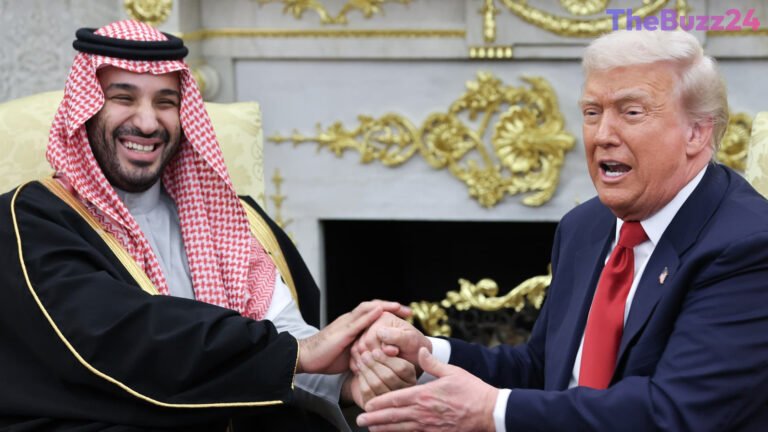
In response to the escalating crisis, diplomatic efforts are shifting toward high-level talks. Plans are underway for a summit in New York on the sidelines of the United Nations General Assembly, where Trump is expected to convene with leaders from the Gulf Cooperation Council nations. The discussions will center on crafting a comprehensive postwar strategy and navigating the complex geopolitical landscape. While international bodies continue to advocate for immediate de-escalation and the protection of crucial trade routes, energy markets remain sensitive to every development as nations weigh the heavy economic toll of the prolonged hostilities.
Key Takeaways
- President Trump has indicated optimism that the U.S. conflict with Iran may be nearing an end, citing potential openness to a deal from Tehran.
- The conflict has expanded into Yemen, with Houthi militants intensifying attacks on Saudi infrastructure and threatening the strategic Bab el-Mandeb Strait.
- Saudi Arabia was forced to close its critical East-West crude pipeline due to a drone strike, though alternative shipping routes have temporarily calmed oil market fears.
Editor’s Analysis & Impact
The intersection of military escalation in the Middle East and global energy security continues to dictate macroeconomic volatility. As seen with the disruption of Saudi Arabia’s East-West pipeline, regional conflicts carry immediate cascading effects on international crude markets and maritime trade routes. While diplomatic overtures and upcoming UN General Assembly meetings signal a potential pathway toward postwar planning, the timeline for a lasting resolution remains heavily contingent upon political willingness from both Washington and Tehran. Markets will likely remain hyper-sensitive to supply chain adjustments, pipeline repair milestones, and formal diplomatic outcomes, making energy infrastructure resilience a top priority for Gulf economies in the near term.
Frequently Asked Questions
Q: What triggered the recent energy supply concerns in the Gulf?
A: Concerns intensified after Houthi militant drone attacks damaged Saudi Arabia's strategic East-West crude pipeline, forcing a temporary shutdown and raising fears of prolonged oil export disruptions.
Q: What is the strategic significance of the Bab el-Mandeb Strait?
A: The Bab el-Mandeb Strait is a vital global oil choke point connecting the Red Sea to the Gulf of Aden, making it essential for international maritime trade and energy transport.
Q: Who is expected to attend the upcoming diplomatic meetings in New York?
A: President Trump is planning to meet with leaders from the six Gulf Cooperation Council member states—Saudi Arabia, the United Arab Emirates, Qatar, Bahrain, Kuwait, and Oman—alongside potential participation from other regional leaders.
AI Disclosure: This article is based on verified data and official reports. Our Team and AI have cross-referenced every financial detail with primary sources to ensure total accuracy.
More from this Category