Canada Eyes Historic Associate Membership With European Union Amid Growing Trade Tensions
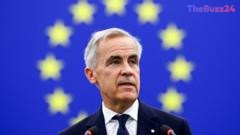
Canadian leadership has expressed strong enthusiasm for a groundbreaking proposal from the European Union to establish a novel “associate member” status for Canada. Addressing the European Parliament in Strasbourg, the administration emphasized the necessity of forging deeper strategic ties in response to mounting global uncertainties, economic coercion, and geopolitical shifts. The concept, initially floated by European leadership, aims to pioneer a new framework of cooperation focusing on defense, critical minerals, energy security, and technological collaboration.
The push for a closer transatlantic alliance arrives against the backdrop of escalating trade friction and tariff disputes involving North American neighbors. Emphasizing the protection of national sovereignty and democratic values, Canadian officials stressed that the proposed partnership is designed to foster resilience rather than establish a rival superpower bloc. While the mechanics of an associate membership remain undefined and would require unanimous approval across European member states, both sides plan to hammer out specific details during an upcoming summit in Montreal.
Critics from across the Atlantic have voiced skepticism, with warnings of potential economic retaliation if the arrangement is perceived as detrimental to regional trade dynamics. Nevertheless, Canadian leadership remains resolute, maintaining that the nation retains full autonomy to forge international agreements that safeguard its economic future and cultural independence. The initiative could eventually pave the way for enhanced mobility programs, joint manufacturing ventures, and stabilized energy supply chains between Canada and Europe.
Key Takeaways
- Canada is actively pursuing a potential 'associate member' status with the European Union to strengthen economic and strategic ties.
- The proposed framework would focus on critical areas including defense, clean energy, critical minerals, and technological cooperation.
- The initiative unfolds amid intensifying trade disputes and tariff pressures involving the United States.
Editor’s Analysis & Impact
The prospect of Canada becoming an associate member of the European Union marks a potentially monumental shift in Western geopolitical and economic alignment. As traditional trade pacts face strain from rising protectionism and weaponized tariffs, middle powers are increasingly seeking multilateral diversification to secure their supply chains and economic independence. For Europe, partnering more closely with a resource-rich nation like Canada bolsters its energy security and access to critical minerals essential for the green transition. However, realizing this unique status will require navigating complex diplomatic hurdles, securing consensus among all EU member states, and managing potential retaliatory trade friction from Washington. If successful, this framework could serve as a blueprint for other democracies looking to fortify alliances outside traditional superpower blocs.
Frequently Asked Questions
Q: What does 'associate member' status mean for Canada?
A: Associate member status is a newly proposed, non-existent framework within the EU that would allow Canada to cooperate more deeply on defense, critical minerals, energy security, and technology without becoming a full member of the European Union.
Q: Why is Canada pursuing closer ties with Europe now?
A: The push comes amid escalating trade disputes, tariff pressures from the United States, and broader geopolitical instability, prompting Canada to diversify its economic partnerships and secure critical supply chains.
Q: What are the next steps for the Canada-EU proposal?
A: The proposal requires extensive drafting and the unanimous agreement of all 27 EU member states. Canadian leadership has also stated there will be a debate and vote in the Canadian parliament, with detailed discussions scheduled for an upcoming summit in Montreal.
AI Disclosure: This article is based on verified data and official reports. Our Team and AI have cross-referenced every financial detail with primary sources to ensure total accuracy.
More from this Category