SpaceX Prepares for 35th ISS Resupply Mission, Bringing Crucial Science and Power Upgrades
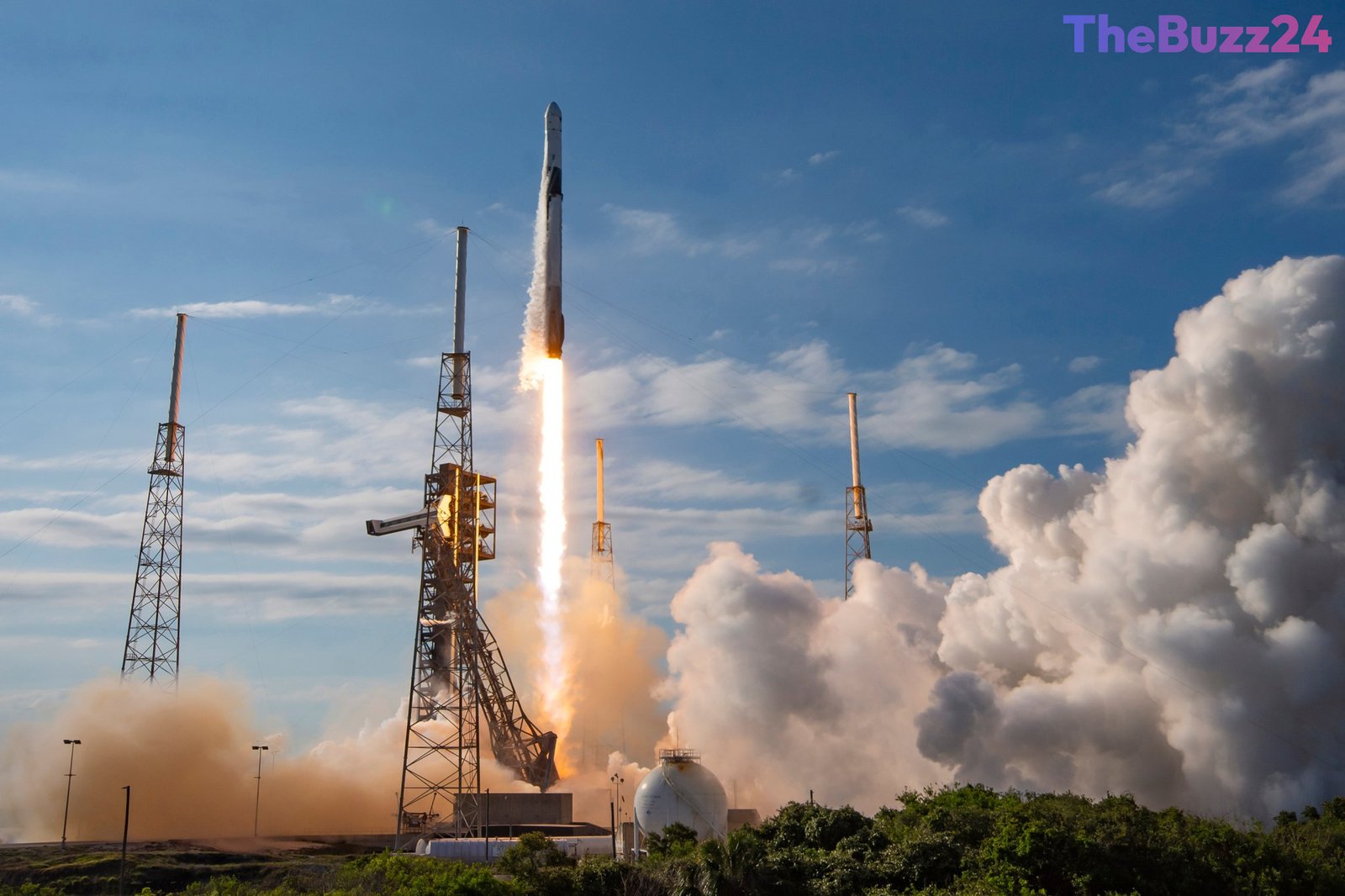
NASA and SpaceX are making final preparations for their 35th commercial resupply services mission to the International Space Station (ISS). The mission, slated for launch no earlier than October from Cape Canaveral Space Force Station in Florida, will utilize a SpaceX Falcon 9 rocket to send a Dragon spacecraft laden with vital cargo to the orbiting laboratory.
This upcoming mission is set to deliver a diverse array of scientific investigations, essential supplies, and critical equipment. Among the most anticipated items are the final sets of the International Space Station Roll-Out Solar Arrays (IROSA). These arrays are crucial for augmenting the station’s power capabilities, which astronauts will install during future spacewalks. Once fully deployed, the IROSA units will provide additional power necessary for supporting ongoing operations and ensuring the station’s eventual safe and controlled deorbit.
Beyond power upgrades, the Dragon spacecraft will transport groundbreaking experiments designed to leverage the microgravity environment. These include hardware for manufacturing artificial retinas, which holds promise for restoring vision in patients on Earth, and 3D heart cell models intended to advance large-scale drug testing for future space endeavors. Researchers will also study how a new type of glass forms in microgravity and send brain organoids to the station, aiming to uncover potential treatment targets for neurodegenerative diseases such as Alzheimer’s, Parkinson’s, and multiple sclerosis.
For over a quarter-century, the International Space Station has served as a continuous human outpost, fostering scientific discovery and technological innovation impossible to achieve on Earth. These resupply missions are fundamental to sustaining the station’s operations, expanding commercial opportunities in low Earth orbit, and laying the groundwork for ambitious long-duration human missions to the Moon under the Artemis program, and ultimately to Mars.
Key Takeaways
- SpaceX's 35th resupply mission to the ISS is scheduled for October, carrying crucial science and equipment.
- The mission will deliver the final IROSA solar arrays, essential for boosting the ISS's power and supporting its future deorbit.
- Advanced scientific experiments include artificial retina manufacturing, 3D heart cell models for drug testing, and brain organoids for neurodegenerative disease research.
Editor’s Analysis & Impact
This upcoming SpaceX resupply mission underscores the critical role of commercial partnerships in advancing space exploration and scientific research. The delivery of the final IROSA arrays is a significant milestone, ensuring the ISS remains a robust platform for decades, capable of supporting complex experiments and eventually a controlled deorbit. The diverse scientific cargo, from artificial retinas to brain organoids, highlights the station’s unique microgravity environment as an invaluable laboratory for breakthroughs with direct terrestrial applications, particularly in medicine. This mission not only sustains humanity’s continuous presence in low Earth orbit but also strengthens the foundation for future deep-space endeavors, including NASA’s Artemis program and eventual crewed missions to Mars, demonstrating the long-term strategic importance of the ISS and commercial space logistics.
Frequently Asked Questions
Q: What is the primary purpose of the 35th SpaceX resupply mission?
A: The mission's primary purpose is to deliver essential science investigations, supplies, and equipment, including the final sets of International Space Station Roll-Out Solar Arrays (IROSA), to the International Space Station.
Q: What are some of the key scientific experiments being sent to the ISS?
A: Key experiments include hardware for manufacturing artificial retinas, 3D heart cell models for drug testing, materials to study glass formation in microgravity, and brain organoids for research into neurodegenerative diseases like Alzheimer’s and Parkinson’s.
Q: Why are the IROSA solar arrays important for the ISS?
A: The IROSA solar arrays are crucial for augmenting the station's power capabilities, providing additional energy to support critical operations and ensuring the station's safe and controlled deorbit in the future.
AI Disclosure: This article is based on verified data and official reports. Our Team and AI have cross-referenced every financial detail with primary sources to ensure total accuracy.
More from this Category