The Great Convergence: How Beauty, Health, and Wellness Became One Traded Retail Budget
Modern consumer behavior is undergoing a massive transformation as shoppers increasingly view beauty, health, and wellness as a single, unified category rather than three distinct sectors. Driven by a desire for holistic lifestyles and science-backed efficacy, contemporary buyers now allocate a shared budget across these historically separate domains. Research indicates that consumers are just as likely to substitute a luxury night cream for a fitness trainer session as they are for another skincare product, signaling a fundamental shift in how retail dollars are spent.
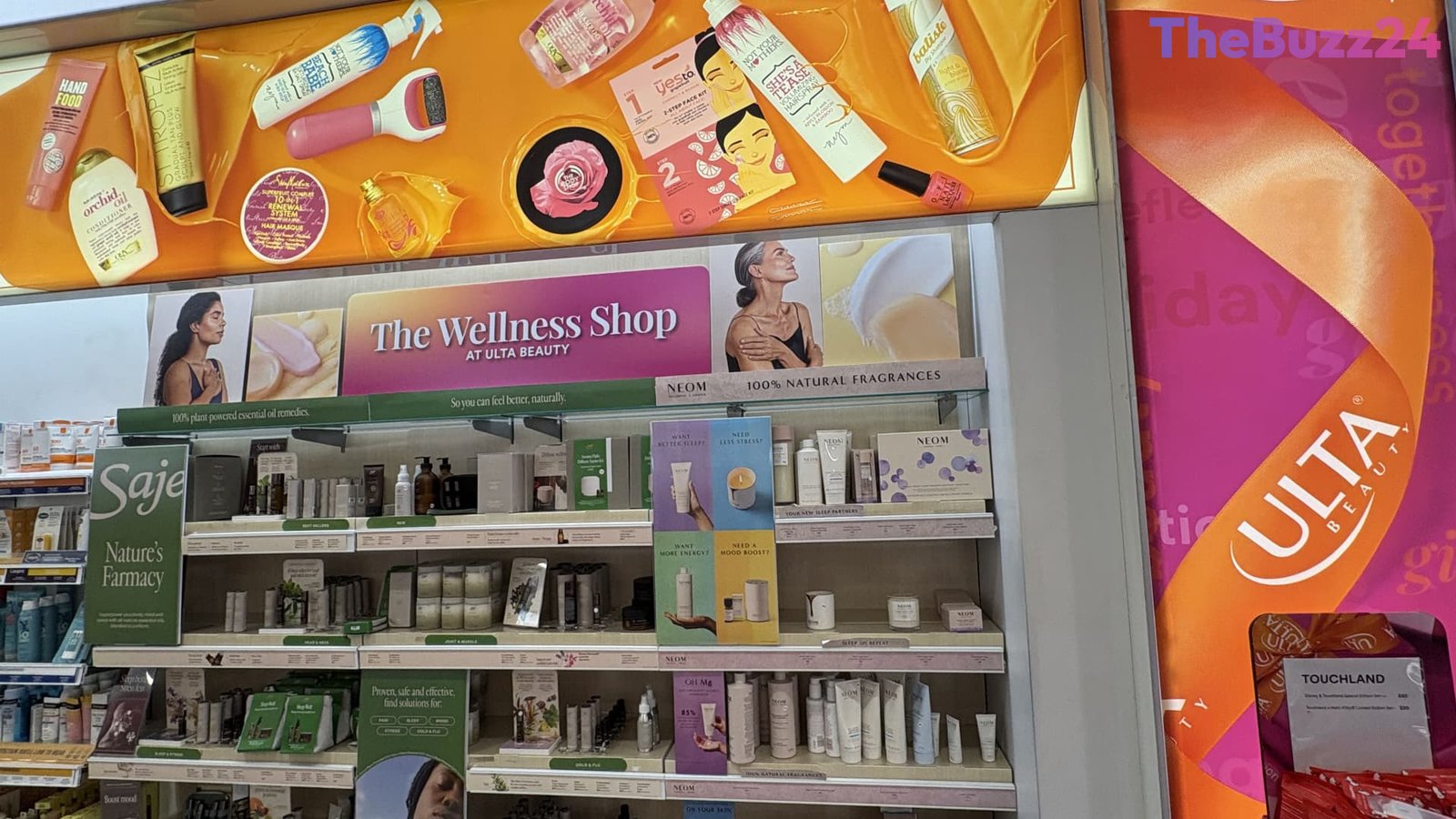
Major retailers and industry giants are aggressively adapting to this paradigm shift by reshaping their physical and digital storefronts. Companies like Walmart, Ulta Beauty, and Sephora are blurring traditional boundaries by curating integrated product assortments, introducing specialized in-store wellness boutiques, and positioning high-demand items in high-traffic zones. Furthermore, corporate mergers and strategic acquisitions—such as Procter & Gamble’s multi-billion dollar buyout of supplement brands—demonstrate a broader industry race to capture consolidated consumer spending. Meanwhile, major players are leveraging omnichannel capabilities, everyday low pricing, and trial-sized offerings to appeal to increasingly informed shoppers.
Despite clear signals from the buying public, a notable disconnect persists between consumers and corporate leadership. While everyday shoppers demand a broader playbook and integrated solutions, many traditional beauty and health executives remain hesitant to stray from their legacy categories, often constrained by short-term quarterly cycles and lengthy research timelines. However, market analysts emphasize that brands embracing science-backed, dermatology-approved, and multi-functional products are reaping the rewards. As economic pressures squeeze discretionary spending elsewhere, the unified beauty, health, and wellness sector continues to exhibit robust resilience and steady revenue growth.
Key Takeaways
- Consumers now treat beauty, health, and wellness as a single, unified budget category rather than three distinct shopping sectors.
- Major retailers like Walmart and Sephora are blurring traditional retail lines by integrating wellness boutiques, supplements, and skincare into dedicated spaces.
- A disconnect exists between consumers demanding holistic, cross-category offerings and legacy executives hesitant to step outside their traditional product lanes.
Editor’s Analysis & Impact
The merging of beauty, health, and wellness into a single consumer budget represents one of the most significant shifts in modern retail strategy. As consumers adopt a ‘consumer PhD’ mindset—prioritizing science-backed, results-driven products—the traditional boundaries of retail merchandising are rapidly eroding. Retailers that successfully adopt an omnichannel, holistic approach will capture larger basket sizes and build long-term brand loyalty. However, legacy brands must overcome internal hesitations regarding cross-category expansion or risk losing market share to more agile competitors who are willing to meet consumer demands for integrated wellness solutions.
Frequently Asked Questions
Q: Why are beauty, health, and wellness merging into a single category?
A: Consumers are increasingly prioritizing holistic lifestyles and seeking products that serve multiple purposes, treating expenditures across these areas as part of one unified personal budget.
Q: How are major retailers responding to this trend?
A: Retailers like Walmart, Sephora, and Ulta Beauty are blurring traditional category lines by introducing dedicated wellness boutiques, expanding product assortments to include both budget-friendly and premium items, and placing related items in high-traffic zones.
Q: What challenges do traditional beauty and health executives face?
A: Many corporate executives remain hesitant to expand outside their traditional product lanes due to fears of lengthy research and development cycles and uncertainty regarding short-term quarterly returns, creating a disconnect with consumer demands.
AI Disclosure: This article is based on verified data and official reports. Our Team and AI have cross-referenced every financial detail with primary sources to ensure total accuracy.
More from this Category