Regional Tensions Surge as Smoke Rises Near Riyadh Airport Amid Middle East Conflict
Security alerts and reports of explosions rattled the Saudi Arabian capital of Riyadh as civil defense authorities issued aerial-attack warnings for both the city and neighboring Al-Kharj. Witnesses and official observations noted plumes of smoke and flames visible near King Khalid International Airport, though authorities have not yet confirmed the precise cause of the incident. The development coincides with intensified military maneuvers and security concerns across critical regional transit and energy corridors.
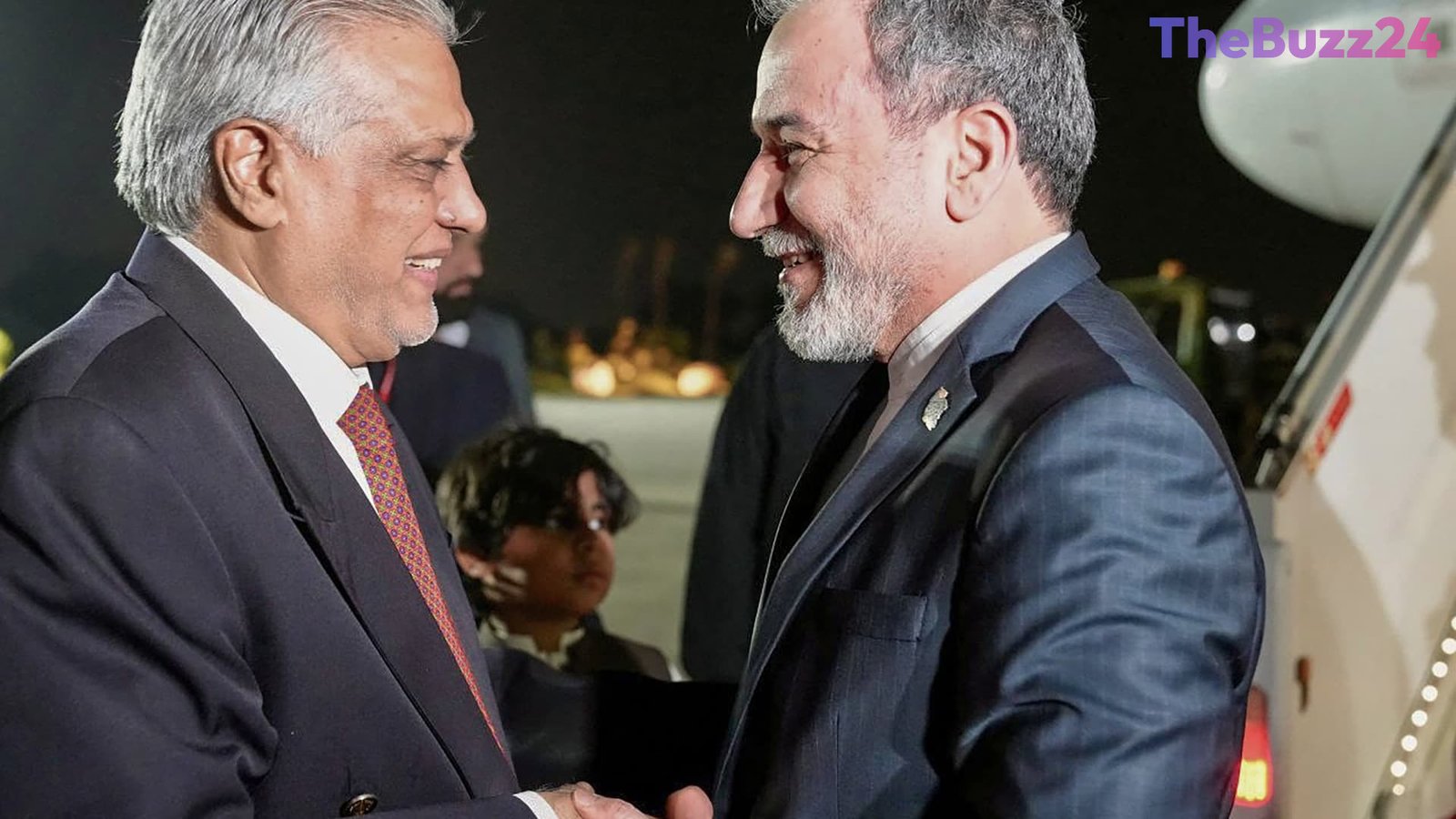
Simultaneously, diplomatic engagements are shifting as key regional players navigate the fallout of the ongoing conflict. Pakistan’s leadership engaged in high-level discussions with Iranian counterparts, emphasizing the critical need for uninterrupted energy flows and the secure passage of commercial shipping through vulnerable maritime choke points. Officials highlighted the severe implications that supply disruptions carry for developing economies and global trade networks, noting that both nations plan to continue talks during upcoming international summits.
Energy markets have experienced considerable volatility amid the hostilities, particularly with disruptions affecting vital export routes like the Strait of Hormuz and Saudi Arabia’s East-West pipeline. Despite recent infrastructural damage from localized drone incursions, crude oil futures have shown temporary stabilization as traders reassess the long-term impact on global supplies. Meanwhile, broader geopolitical alignments continue to evolve, underscored by recent major defense procurement approvals involving advanced fighter aircraft for the kingdom.
Key Takeaways
- Civil defense issued alerts in Riyadh and Al-Kharj, with smoke and flames observed near the international airport.
- Pakistan pressed Iran on maintaining secure maritime passages and uninterrupted energy supplies.
- Crude oil markets experienced fluctuations following infrastructural threats to key pipelines and shipping lanes.
Editor’s Analysis & Impact
The escalating security situation in the Middle East continues to exert profound pressure on global energy infrastructure and commodity markets. The vulnerability of strategic chokepoints like the Strait of Hormuz and land-based pipelines highlights the fragility of international supply chains. As key regional actors balance military escalations with urgent diplomatic dialogues, energy prices remain acutely sensitive to physical disruptions. The long-term outlook for global crude markets will depend heavily on the durability of alternative export routes and the success of diplomatic efforts to secure maritime and pipeline transit. Investors and policymakers must remain vigilant as geopolitical risk premiums continue to drive market volatility.
Frequently Asked Questions
Q: What caused the smoke and flames near Riyadh's airport?
A: While Saudi civil defense issued early warning alerts and explosions were reported in the capital, the exact cause of the smoke and flames near King Khalid International Airport has not been officially confirmed.
Q: Why are regional shipping routes a major concern?
A: Vital maritime passages and choke points have faced increased security threats and ground offensives, which threaten global energy supplies and have driven up international benchmark crude prices significantly.
Q: How have recent events impacted the global oil market?
A: The ongoing conflict and attacks on energy infrastructure have led to substantial price volatility, though recent trading sessions saw crude prices stabilize slightly as markets adjusted their supply impact assessments.
AI Disclosure: This article is based on verified data and official reports. Our Team and AI have cross-referenced every financial detail with primary sources to ensure total accuracy.
More from this Category