Paramount Nears Landmark Settlement with States Over $110 Billion Warner Bros. Discovery Merger
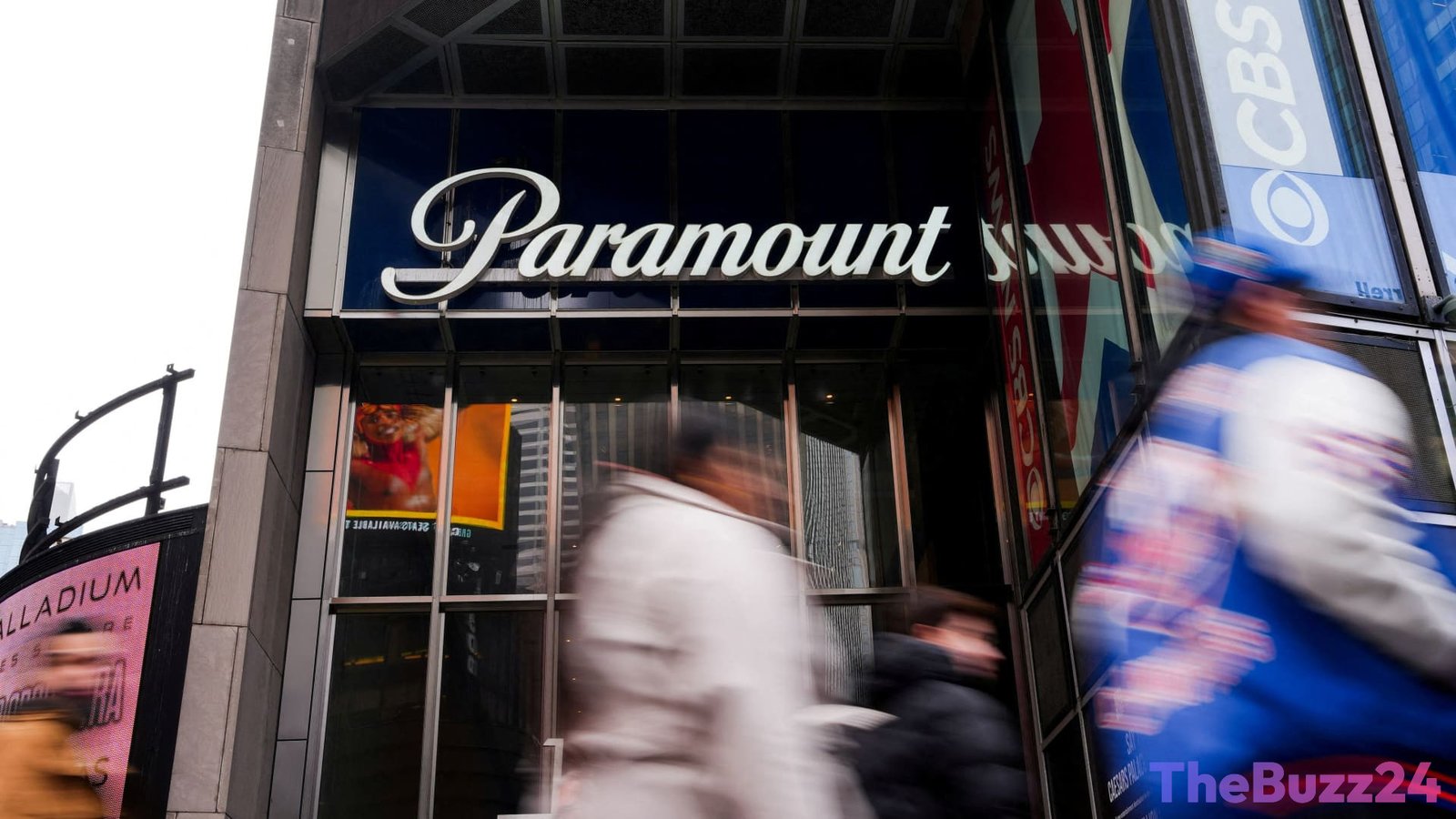
Paramount is reportedly nearing a significant settlement with a coalition of states, potentially as early as this weekend, regarding its ambitious $110 billion acquisition of Warner Bros. Discovery. The proposed agreement aims to resolve concerns raised by California and eleven other states, which have sought to block the merger on antitrust grounds. Discussions around the settlement terms include provisions for independent content monitoring of CNN, a key asset within the Warner Bros. Discovery portfolio, and commitments regarding the number of theatrical film releases from the combined entity. This development saw Paramount’s shares climb nearly 7% and Warner Bros. Discovery’s shares rise 8.4% in after-market trading, signaling investor optimism.
This acquisition represents a critical strategic move for Paramount, positioning it to become a formidable competitor against established streaming and media giants like Netflix and Walt Disney. The states’ lawsuit, filed in July, argued that the combined company would create an overly dominant media behemoth, potentially leading to increased prices for consumers in both film and television. Furthermore, the Writers Guild of America has also voiced strong opposition, expressing concerns that the merger could negatively impact writers’ pay and working conditions across the industry.
Paramount CEO David Ellison has championed the merger as an essential step for consolidation in Hollywood, aiming to unite a vast array of valuable media properties including CNN, HBO, the “Harry Potter” franchise, “The Daily Show,” and rights to NFL football games. Ellison has previously pledged that the merged film studios would release 30 movies annually. However, the proposed deal has drawn scrutiny, particularly regarding the future editorial independence of CNN, given past criticisms leveled against Ellison concerning the management of news coverage at Paramount-owned CBS News. A swift settlement is also financially advantageous for Paramount, as it faces a $7 million-a-day “ticking fee” payable to Warner Bros. Discovery shareholders for each day the deal remains unclosed after September 30.
Key Takeaways
- Paramount is close to finalizing a settlement with 12 U.S. states regarding its $110 billion acquisition of Warner Bros. Discovery.
- Key terms under discussion include independent content monitoring for CNN and specific commitments on theatrical film releases.
- The merger aims to create a major media competitor to Netflix and Disney, but has faced antitrust concerns and opposition from the Writers Guild of America.
Editor’s Analysis & Impact
The potential settlement between Paramount and the opposing states marks a pivotal moment for the media industry, signaling a continued trend of consolidation among major players. If approved, this $110 billion merger would significantly reshape the competitive landscape, creating a new powerhouse capable of challenging Netflix and Disney across streaming, film, and television. While the deal promises increased scale and a diverse content library, it also intensifies concerns about market concentration and its potential impact on consumer choice and pricing. The inclusion of independent monitoring for CNN highlights the growing regulatory focus on media diversity and editorial independence in an era of concentrated ownership. The outcome will likely influence future merger strategies and regulatory oversight within the entertainment sector.
Frequently Asked Questions
Q: What is the primary goal of Paramount's acquisition of Warner Bros. Discovery?
A: Paramount aims to consolidate two major Hollywood studios and their extensive media properties to create a more competitive entity against industry leaders like Netflix and Walt Disney, particularly in the streaming and content production markets.
Q: Why have several states and the Writers Guild of America opposed the merger?
A: States, led by California, argue that the combined company would create a media behemoth with excessive market power, potentially leading to higher prices for consumers. The Writers Guild of America has expressed concerns that the merger could result in decreased pay and worsened working conditions for film and television writers.
Q: What are some of the key terms being discussed in the potential settlement?
A: The proposed settlement terms reportedly include provisions for independent content monitoring of CNN to ensure editorial integrity, as well as commitments regarding the number of theatrical film releases from the merged studios.
AI Disclosure: This article is based on verified data and official reports. Our Team and AI have cross-referenced every financial detail with primary sources to ensure total accuracy.
More from this Category