Navigating Health Risks: New Medical Guidelines for Artemis Lunar Missions
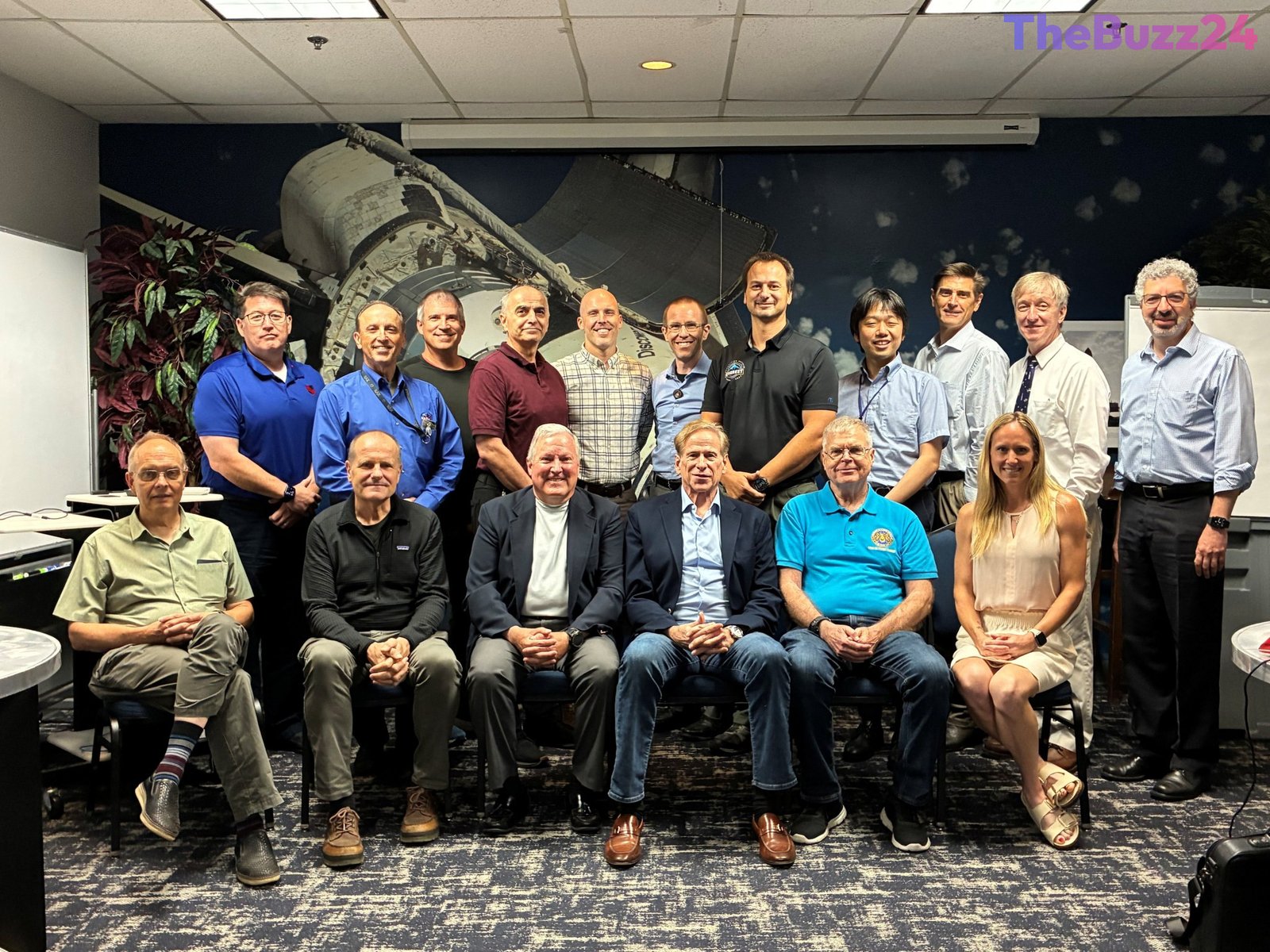
As humanity prepares for the return to the lunar surface under the Artemis program, medical experts have finalized a comprehensive set of guidelines to address the physiological challenges of deep-space exploration. A specialized working group recently convened to evaluate the risks associated with decompression sickness (DCS), venous thromboembolism (VTE), and the implications of patent foramen ovale (PFO)—a common heart structure variation—during extravehicular activities (EVAs) and long-duration spaceflight.
The panel’s findings suggest a shift in how space agencies approach astronaut health screening. Notably, the experts concluded that the presence of a PFO should not be a primary factor for disqualifying candidates from spaceflight. While there was debate regarding the management of ‘large’ PFOs, the consensus is that universal screening or mandatory exclusion is unnecessary. Instead, the focus remains on informed consent and risk mitigation through refined operational protocols rather than restrictive medical barriers.
Furthermore, the research highlights the need for standardized medication protocols during lunar missions. The panel emphasized that the use of common analgesics, such as aspirin, ibuprofen, and naproxen, requires strict clinical oversight. Because these medications can potentially mask the early symptoms of decompression sickness, clear guidelines are essential to ensure that astronauts and mission control can accurately identify and treat health events in real-time during surface operations.
Ultimately, the working group determined that while minimizing gas bubble formation remains a goal for mission safety, the predictive value of current bubble-scoring metrics for DCS in partial-gravity environments remains uncertain. Moving forward, the integration of these findings into human spaceflight standards will prioritize flexible, data-driven interventions that balance the rigorous demands of lunar exploration with the long-term health and safety of the crew.
Key Takeaways
- Patent foramen ovale (PFO) is no longer considered a major risk factor for VTE or a primary reason for excluding astronaut candidates.
- The panel found no definitive link between current bubble-scoring metrics and the risk of decompression sickness during lunar surface operations.
- New clinical guidance is required to manage the use of common pain relievers and aspirin, which could potentially mask symptoms of decompression sickness during missions.
Editor’s Analysis & Impact
The findings from this working group represent a significant maturation in space medicine, moving away from overly cautious, exclusionary policies toward a more nuanced, risk-managed approach. By de-emphasizing structural heart variations like PFOs, the industry is broadening the potential talent pool for future missions while acknowledging that operational protocols—such as prebreathe procedures and medication management—are more critical to safety than individual anatomical traits. This shift is vital for the sustainability of the Artemis program and future Mars missions, where medical resources will be limited. The emphasis on ‘informed consent’ over ‘mandatory exclusion’ sets a precedent for how private and public space entities will handle astronaut health in the coming decade, likely leading to more standardized, evidence-based medical protocols that can be adapted for commercial spaceflight participants as well.
Frequently Asked Questions
Q: Does having a patent foramen ovale (PFO) prevent someone from becoming an astronaut?
A: No. The expert panel concluded that PFOs are not a major risk factor for spaceflight complications and recommended against using them as a basis for excluding astronaut candidates.
Q: Why is there concern about taking common painkillers like aspirin during space missions?
A: The panel noted that these medications can mask the symptoms of decompression sickness, making it difficult for medical teams to accurately diagnose and treat potential health emergencies during extravehicular activities.
AI Disclosure: This article is based on verified data and official reports. Our Team and AI have cross-referenced every financial detail with primary sources to ensure total accuracy.
More from this Category