Severe Wildfires Unleash Toxic Smog Across Southeast Asia, Impacting Hundreds of Thousands
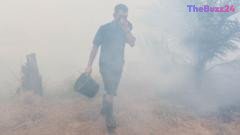
Intense wildfires burning across parts of Indonesia have generated a dangerous wave of toxic smog, leaving roughly 175,000 individuals suffering from various respiratory ailments since the month of August. The persistent haze has dramatically degraded air quality standards not only in Indonesia but also across neighboring Malaysia and Singapore, pushing pollution indices well into unhealthy territory.
Local authorities and emergency response teams are facing mounting pressure to contain the blazes and mitigate the widespread health hazards affecting urban and rural populations alike. Governments in the region have advised vulnerable residents to limit outdoor activities and utilize protective masks as the environmental crisis continues to unfold. Environmental experts point to seasonal agricultural clearing practices and prolonged dry conditions as primary catalysts for the uncontrollable spread of the fires.
Efforts to combat the fires involve coordinated deployment of firefighting personnel and aerial water-dropping operations in hard-to-reach terrain. However, unpredictable wind patterns and vast affected land areas continue to hamper containment progress. Public health infrastructure in the hardest-hit regions remains strained as clinics and hospitals manage an influx of patients presenting with acute respiratory distress.
Key Takeaways
- Wildfires in Indonesia have caused approximately 175,000 cases of respiratory illnesses since August.
- Toxic haze has driven air quality to unhealthy levels across Indonesia, Malaysia, and Singapore.
- Regional governments are ramping up firefighting and public health interventions to manage the environmental crisis.
Editor’s Analysis & Impact
The recurring environmental and health crisis triggered by Southeast Asian wildfires underscores the urgent need for robust, cross-border preventive policies and stricter enforcement against illegal agricultural burning. Beyond the immediate public health burden and strain on local medical infrastructure, prolonged toxic smog episodes severely impact regional tourism, supply chains, and overall economic productivity. In the future, governments and international stakeholders must invest heavily in advanced early-detection technology, satellite monitoring, and sustainable land-management frameworks. Addressing these systemic vulnerabilities is essential to mitigating climate-driven disasters and protecting the well-being of millions of citizens living within the affected airsheds.
Frequently Asked Questions
Q: What caused the toxic smog in Southeast Asia?
A: The toxic smog is primarily the result of ongoing wildfires in Indonesia, often driven by seasonal agricultural clearing and dry weather conditions.
Q: Which countries have been affected by the haze?
A: Air quality has reached unhealthy levels in Indonesia, Malaysia, and Singapore due to the drifting wildfire smoke.
Q: How many people have fallen ill from the smog?
A: Approximately 175,000 people have suffered from respiratory illnesses since the wildfires and subsequent haze intensified in August.
AI Disclosure: This article is based on verified data and official reports. Our Team and AI have cross-referenced every financial detail with primary sources to ensure total accuracy.
More from this Category