The High-Stakes Talent War: Semiconductor Giants Battle Over Intellectual Property
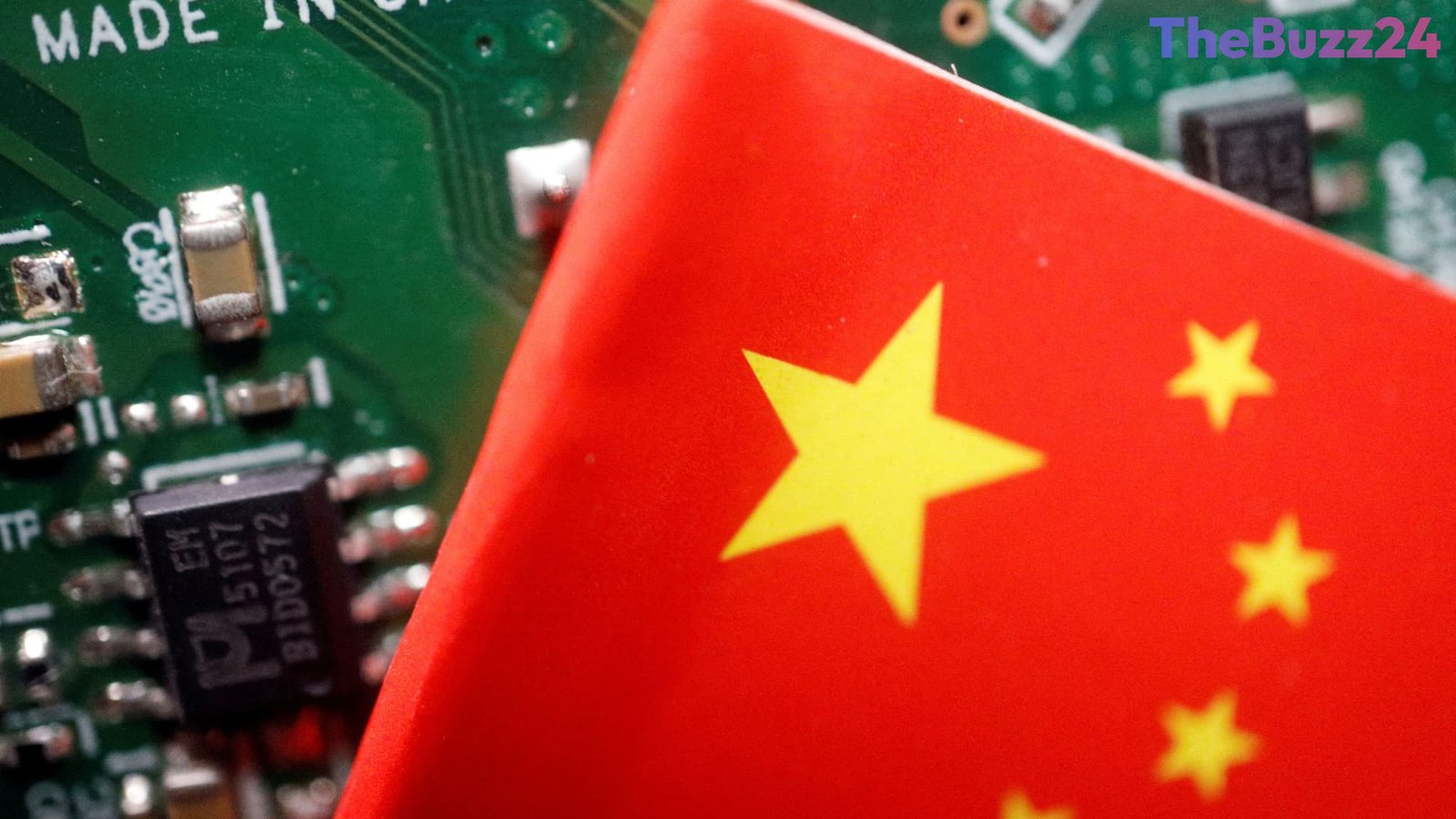
The global semiconductor industry is currently embroiled in an intense battle for human capital, as established market leaders and emerging Chinese rivals clash over the movement of top-tier engineering talent. This competition has reached a boiling point, underscored by a recent high-profile legal case in South Korea where a former Samsung engineer was sentenced to five years in prison for leaking advanced DRAM technology to ChangXin Memory Technologies (CXMT). The ruling, which followed an appeal, highlights the extreme measures companies are now taking to safeguard their proprietary manufacturing processes.
As Chinese chipmakers aggressively pursue experienced engineers to bridge the technological divide, they are offering lucrative compensation packages, including high salaries, stock options, and comprehensive family support. This strategy has proven effective in helping firms like CXMT overcome technical bottlenecks, particularly as international export restrictions limit access to advanced chipmaking equipment. Analysts note that these efforts have transformed Chinese manufacturers from distant followers into significant global competitors, with projections suggesting a growing share of the global DRAM market.
In response, industry giants are fortifying their defenses through stricter non-compete agreements, enhanced internal security protocols, and increased legal action. However, legal experts across Asia point out the inherent difficulty in distinguishing between an engineer’s personal professional expertise and a company’s protected trade secrets. Because much of the critical knowledge in semiconductor manufacturing is intangible and resides within the minds of the engineers, courts are finding it increasingly challenging to balance the protection of corporate intellectual property with the individual’s right to pursue career opportunities.
Looking ahead, the legal landscape is expected to grow more complex as Chinese memory companies expand their reach beyond domestic borders. With semiconductor technology designated as a ‘National Core Technology’ in several jurisdictions, the penalties for unauthorized information transfers are rising. As firms continue to prioritize the protection of their technological edge, the industry is bracing for a sustained period of litigation and heightened scrutiny regarding the mobility of specialized technical staff.
Key Takeaways
- A former Samsung engineer received a five-year prison sentence for leaking DRAM technology to Chinese competitor CXMT, highlighting the severity of corporate espionage cases.
- Chinese semiconductor firms are aggressively recruiting overseas talent with premium compensation to bypass technical hurdles and U.S. export restrictions.
- Legal experts face significant challenges in defining the boundary between an engineer's general professional skill set and a company's proprietary trade secrets.
Editor’s Analysis & Impact
The ongoing ‘talent war’ in the semiconductor sector is a direct byproduct of the industry’s strategic importance in the global economy. As nations treat chip manufacturing as a matter of national security, the movement of human capital has become a primary vector for intellectual property leakage. The trend of Chinese firms aggressively poaching talent is a rational response to external trade barriers, but it is forcing a paradigm shift in how global corporations manage their workforce. We expect to see a rise in ‘defensive’ HR policies, including longer non-compete periods and more sophisticated digital monitoring of high-level researchers. Furthermore, as these companies move toward international expansion, we anticipate a surge in cross-border intellectual property litigation, which will likely necessitate new international legal frameworks to define the ownership of ‘knowledge’ in an era of hyper-specialized manufacturing.
Frequently Asked Questions
Q: Why is it difficult for courts to prosecute engineers for taking trade secrets to a new employer?
A: The primary challenge lies in the 'intangible' nature of semiconductor knowledge. It is difficult for courts to draw a bright line between an engineer's personal professional expertise—which they are entitled to use—and specific, proprietary manufacturing methods that belong to their former employer.
Q: How are Chinese chipmakers successfully narrowing the technology gap with established rivals?
A: Chinese firms are utilizing aggressive recruitment strategies, offering high salaries and benefits to attract experienced engineers from established companies. This influx of expertise helps them overcome technical bottlenecks and navigate around international export restrictions on advanced chipmaking equipment.
AI Disclosure: This article is based on verified data and official reports. Our Team and AI have cross-referenced every financial detail with primary sources to ensure total accuracy.
More from this Category