White House Restores Press Credentials Following Judicial Intervention
Journalists from several prominent news organizations have regained entry to the White House following a decisive federal court order that temporarily blocked a controversial administration ban. Major news outlets, including CNN, Politico, and MS Now, found themselves locked out of the presidential complex, prompting an immediate legal challenge regarding constitutional protections and due process rights.
The initial restrictions, enacted under President Donald Trump, targeted these organizations over accusations of unfair reporting and the dissemination of what the administration termed misleading narratives. In response to the revocation of their press badges, the affected networks sought urgent judicial relief, arguing that the government lacked the authority to selectively punish media organizations based on their editorial stance. A federal judge agreed, ruling that the ban likely infringed upon established constitutional safeguards.
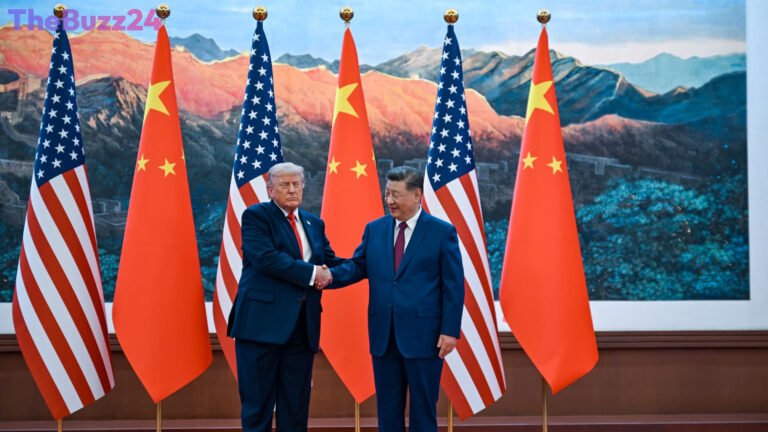
While compliance with the court order began shortly after the ruling, discrepancies arose regarding the exact timeline of restored access. The friction coincided with high-profile diplomatic events, including the hosting of Chinese President Xi Jinping. Furthermore, the broader journalistic community rallied in defense of press access, with numerous media entities filing supporting briefs, highlighting the enduring tension between executive power and the freedom of the press in the United States.
Key Takeaways
- A federal judge ordered the temporary lifting of a White House press ban affecting CNN, Politico, and MS Now.
- The affected outlets argued that the administration violated their constitutional due process rights by revoking press badges.
- More than 50 media organizations across the political spectrum filed briefs in support of the lawsuit, emphasizing press freedom.
Editor’s Analysis & Impact
This latest clash between the executive branch and major news organizations underscores the fragile nature of press access in modern politics. The legal victory for the media highlights the judiciary’s role as a vital check on executive overreach regarding constitutional rights. However, the incident also reveals deep ideological fractures within the media landscape and sets a tense tone for future interactions between the administration and the press corps. The broad solidarity shown by competing networks suggests that the industry recognizes these restrictions as an existential threat to independent journalism. Moving forward, such battles could redefine the legal boundaries of press pool management and executive transparency.
Frequently Asked Questions
Q: Why were the media outlets initially banned from the White House?
A: The administration initially barred CNN, Politico, and MS Now, citing what it described as fake news and misleading reporting, later adding national security concerns as a justification.
Q: What legal grounds were used to challenge the White House press ban?
A: The affected media outlets argued in court that the revocation of their press credentials violated their constitutional due process rights and infringed upon the principle of a free press.
AI Disclosure: This article is based on verified data and official reports. Our Team and AI have cross-referenced every financial detail with primary sources to ensure total accuracy.
More from this Category