German Prosecutors Pursue 105-Year-Old in WWII POW Camp Murder Probe
German authorities are currently investigating a 105-year-old man on allegations of being an accessory to multiple counts of murder during his time as a guard at a Nazi prisoner of war camp in World War Two. The suspect is alleged to have served at Stalag 326 VI K in Senne, located in northwestern Germany, a site notorious for its brutal conditions and high mortality rates among its captives. This ongoing inquiry underscores Germany’s persistent commitment to bringing perpetrators of Nazi-era atrocities to justice, even decades after the crimes were committed.
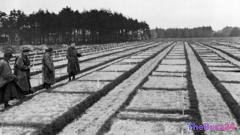
Stalag 326 VI K was one of the largest prisoner of war camps operated by Nazi Germany, particularly significant for its role in the internment of Soviet Red Army soldiers. Historical records from the memorial site indicate that between 1941 and 1945, one in three Soviet POWs entering Nazi Germany passed through the Senne complex. Prisoners, who also included individuals from France, Poland, Serbia, and Belgium, endured horrific living conditions, severe malnutrition, and widespread mistreatment, often being subjected to forced labor in the surrounding region. Tens of thousands of the estimated 180,000-200,000 Soviet prisoners registered there perished, with many buried at the site.
The investigation into the centenarian guard is part of a broader effort by German prosecutors, who face immense challenges due to the advanced age of the remaining suspects. A similar case involving another former guard at Senne recently concluded with the suspect’s death at age 99. Germany abolished the statute of limitations for murder and accessory to murder in 1979, enabling these late prosecutions. While the central office for Nazi crime investigations in Ludwigsburg initiates these cases, public prosecutors in Dortmund handle the ongoing legal proceedings.
These efforts reflect a continued national resolve to confront the darkest chapters of German history. Recent years have seen other high-profile convictions, such as a 101-year-old concentration camp guard sentenced for complicity in murder at Sachsenhausen, and a former Nazi concentration camp secretary convicted of abetting murder. Despite the difficulties in securing convictions and the advanced age of defendants, these investigations serve as a powerful reminder that justice, however delayed, remains a fundamental pursuit.
Key Takeaways
- German prosecutors are investigating a 105-year-old man for alleged complicity in murder at a WWII Nazi prisoner of war camp, Stalag 326 VI K.
- The investigation highlights Germany's unwavering commitment to prosecuting Nazi-era crimes, despite the advanced age of suspects and the passage of over 80 years.
- Stalag 326 VI K was a massive Nazi POW camp where tens of thousands of Soviet and other Allied prisoners died under horrific conditions and forced labor.
Editor’s Analysis & Impact
This ongoing investigation, targeting a centenarian for alleged WWII atrocities, underscores Germany’s profound and enduring commitment to historical justice. While the practical challenges of prosecuting individuals of such advanced age are immense, including gathering evidence and securing convictions, the symbolic importance of these cases cannot be overstated. They serve as a powerful reminder that there is no statute of limitations for crimes against humanity, reinforcing a national resolve to confront its past. The broader implications extend to international legal frameworks, setting a precedent for the relentless pursuit of justice for war crimes, regardless of the passage of time. This persistence also offers a measure of closure and recognition for victims and their descendants, affirming that such horrific acts will never be forgotten or excused.
Frequently Asked Questions
Q: Why are these investigations happening so many years after World War Two?
A: Germany has no statute of limitations for murder or accessory to murder, allowing for the prosecution of Nazi-era crimes regardless of how much time has passed since the end of World War Two.
Q: What was Stalag 326 VI K?
A: Stalag 326 VI K was one of the largest Nazi prisoner of war camps in northwestern Germany. It primarily held Soviet soldiers, where prisoners faced horrific conditions, forced labor, and widespread deaths due to mistreatment and malnutrition.
Q: Have there been other similar prosecutions recently?
A: Yes, German courts have recently prosecuted other elderly individuals for Nazi-era crimes, including a 101-year-old concentration camp guard and a former camp secretary, though many have died during or before serving their sentences.
AI Disclosure: This article is based on verified data and official reports. Our Team and AI have cross-referenced every financial detail with primary sources to ensure total accuracy.
More from this Category