Federal Appeals Court Upholds Pentagon Ban on AI Firm Anthropic
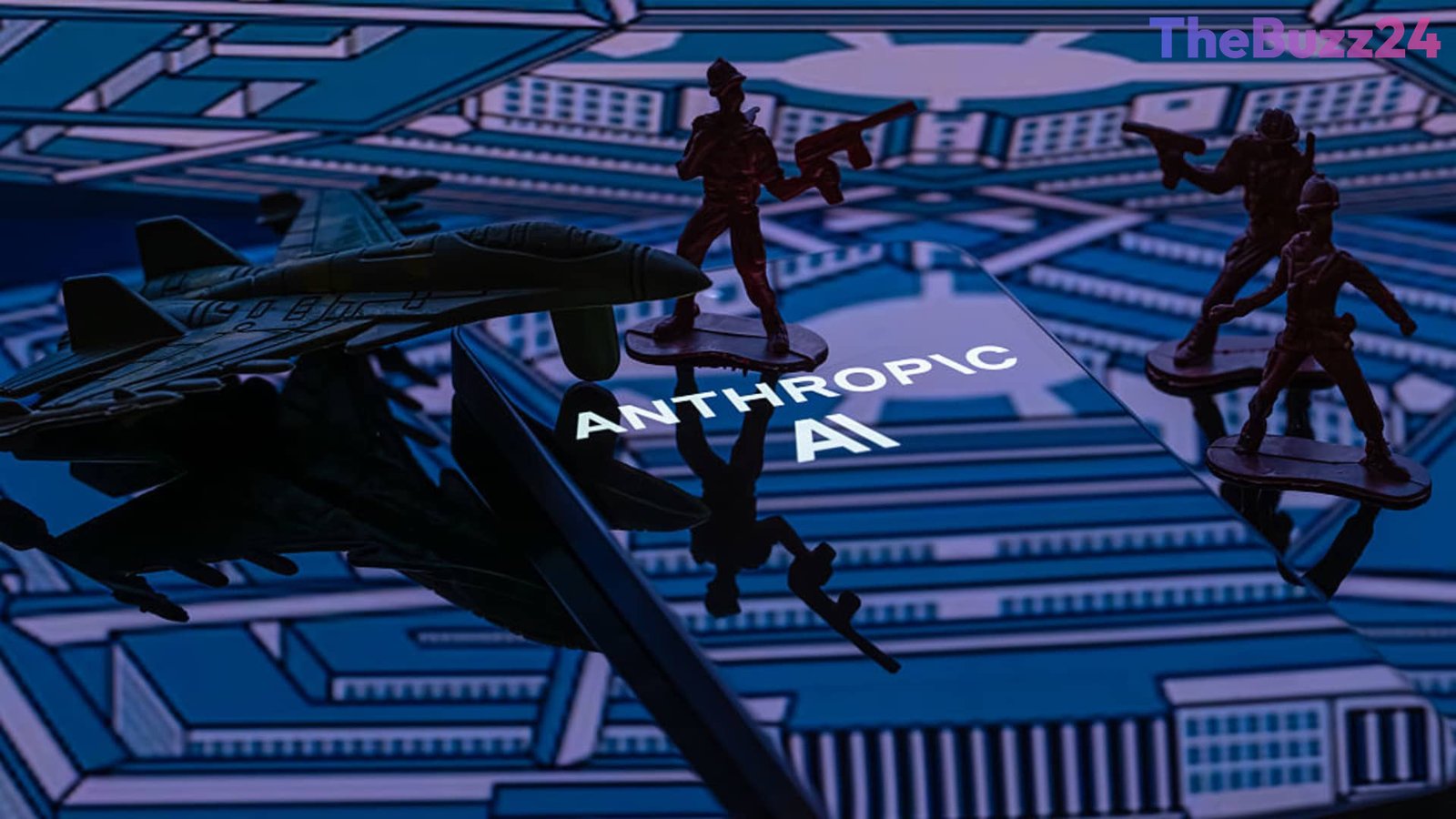
A federal appeals court in Washington, D.C., has upheld the Pentagon’s controversial blacklisting of artificial intelligence company Anthropic. In a 2-1 decision, the panel rejected Anthropic’s claims that the Department of Defense’s restriction on its Claude models was unconstitutional, unauthorized, and arbitrary.
The conflict originated in March when the Department of Defense classified Anthropic as a supply chain risk, effectively barring the U.S. military and defense contractors from integrating Claude models into their operations. Negotiations collapsed after disagreements surfaced regarding the scope of military usage, specifically concerning fully autonomous weaponry and domestic surveillance.
Writing for the majority, the court emphasized that ultimate national security decision-making authority rests with the administration and defense leadership. While the appellate panel delayed the immediate enforcement of the ruling to allow Anthropic time to pursue further appeals, the decision marks a significant hurdle for the company’s relationship with federal agencies.
Key Takeaways
- A D.C. federal appeals court ruled 2-1 to uphold the Pentagon's supply chain risk designation against Anthropic.
- The designation prevents the U.S. military and associated defense contractors from utilizing Anthropic's Claude AI models.
- The court concluded that defense leadership acted within its statutory and constitutional authority regarding national security risks.
Editor’s Analysis & Impact
The federal appeals court’s decision to uphold the Pentagon’s blacklisting of Anthropic underscores a critical inflection point at the intersection of national security and private artificial intelligence development. As AI systems become deeply embedded in technological infrastructure, the friction between government defense demands and corporate ethical frameworks is intensifying. This ruling validates the federal government’s broad discretionary powers under supply chain security laws, establishing a powerful precedent for how defense agencies procure and regulate advanced technologies. For the broader tech industry, the outcome signals that companies attempting to enforce ethical boundaries on military applications risk severe commercial and institutional exclusion. Looking ahead, this legal battle may prompt other AI developers to carefully recalibrate their defense contracting strategies, potentially accelerating a divide between national security-aligned tech firms and those prioritizing strict ethical use policies.
Frequently Asked Questions
Q: Why did the Pentagon blacklist Anthropic?
A: The Pentagon designated Anthropic a supply chain risk after negotiations broke down over how the military could use its Claude AI models, specifically regarding restrictions on fully autonomous weapons and domestic surveillance.
Q: What does the court ruling mean for Anthropic?
A: The ruling upholds the Department of Defense's ban, preventing the U.S. military and defense contractors from using Anthropic's AI models in their work, though the company is considering further legal options.
AI Disclosure: This article is based on verified data and official reports. Our Team and AI have cross-referenced every financial detail with primary sources to ensure total accuracy.
More from this Category