Navigating Buy Now, Pay Later for Bills: Smarter Alternatives and Red Flags to Watch
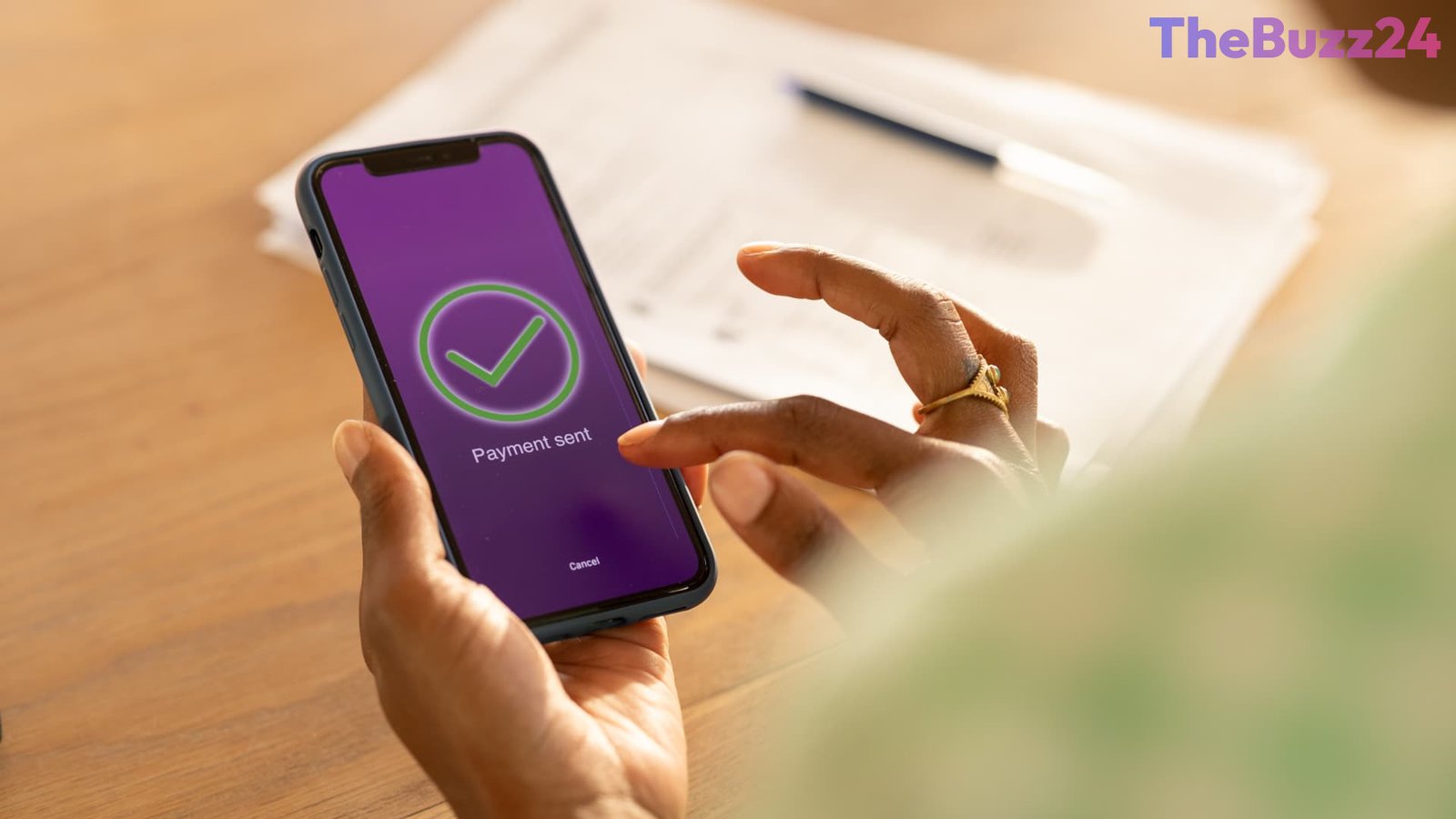
As modern financial pressures mount, consumers are increasingly turning to buy now, pay later (BNPL) services to handle everyday necessities, recurring utility costs, and even monthly rent. While these short-term financing models have become ubiquitous for retail purchases, expanding them to cover essential bills introduces unique financial risks. Industry experts suggest exhausting direct communication with billers before taking on new financial products, as many utility providers, medical institutions, and landlords offer structured payment extensions or hardship programs.
For those managing larger or more persistent deficits, alternatives such as balance transfer credit cards and personal loans often provide more sustainable relief. Credit cards offering long introductory zero-percent APR periods can give borrowers adequate breathing room to clear high-interest balances without incurring compounding penalties. Similarly, personal loans from specialized lenders can bridge gaps for unexpected expenses with structured, long-term repayment schedules that align closely with household budgets.
However, relying on BNPL for recurring monthly obligations can quickly morph into a dangerous debt cycle. Financial coaches emphasize that if a consumer finds themselves perpetually splitting bills month after month, juggling multiple active installment plans across different apps, or failing to cover upcoming payments without external aid, BNPL is acting as a bandage rather than a solution. Evaluating the total fees involved rather than focusing solely on a promotional zero-percent rate is critical to maintaining long-term financial health.
Key Takeaways
- More consumers are utilizing buy now, pay later services to cover essential everyday expenses like rent and utilities.
- Directly negotiating payment plans with utility providers, medical offices, or landlords is often cheaper than utilizing external financing products.
- Relying on BNPL for recurring monthly bills can create a dangerous debt cycle if used as a permanent fix rather than a temporary bridge.
Editor’s Analysis & Impact
The expansion of buy now, pay later (BNPL) services into essential living expenses highlights the ongoing strain on household cash flows amid persistent economic pressures. While BNPL offers immediate liquidity, its creeping usage into utility and rent payments blurs the line between responsible short-term budgeting and high-risk unsecured debt. As regulatory scrutiny increases and consumers juggle multiple micro-loans, the financial sector is likely to see a pivot toward consolidated personal loans and balance transfer products. Long-term, fintech platforms offering alternative credit scoring and debt management tools will play a crucial role in helping vulnerable consumers avoid compounding liabilities.
Frequently Asked Questions
Q: What should I try before using BNPL for bills?
A: Before turning to BNPL, contact your biller directly to ask about hardship programs, budget billing, or temporary payment extensions. Landlords, utility companies, and medical providers frequently offer internal solutions that avoid extra fees.
Q: What are the warning signs that BNPL is harming my finances?
A: Key red flags include knowing you will need to split next month's bill as well, being unable to cover the payment from your upcoming paycheck, juggling multiple apps simultaneously, and ignoring hidden processing fees in favor of a zero-percent pitch.
AI Disclosure: This article is based on verified data and official reports. Our Team and AI have cross-referenced every financial detail with primary sources to ensure total accuracy.
More from this Category