Powerful Nor’easter Batters U.S. Northeast, Triggering Widespread Flooding and Disruptions
A slow-moving and intense nor’easter has swept across the U.S. Northeast, bringing a combination of high-velocity winds, torrential rainfall, and dangerous coastal surges. The storm system, which began impacting the mid-Atlantic and New England regions over the weekend, has left tens of thousands of residents without power and caused significant infrastructure damage in coastal communities. Meteorologists have warned that the storm’s slow progression is exacerbating the impact, keeping vulnerable areas under constant assault from high tides and heavy surf.
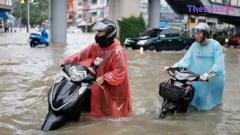
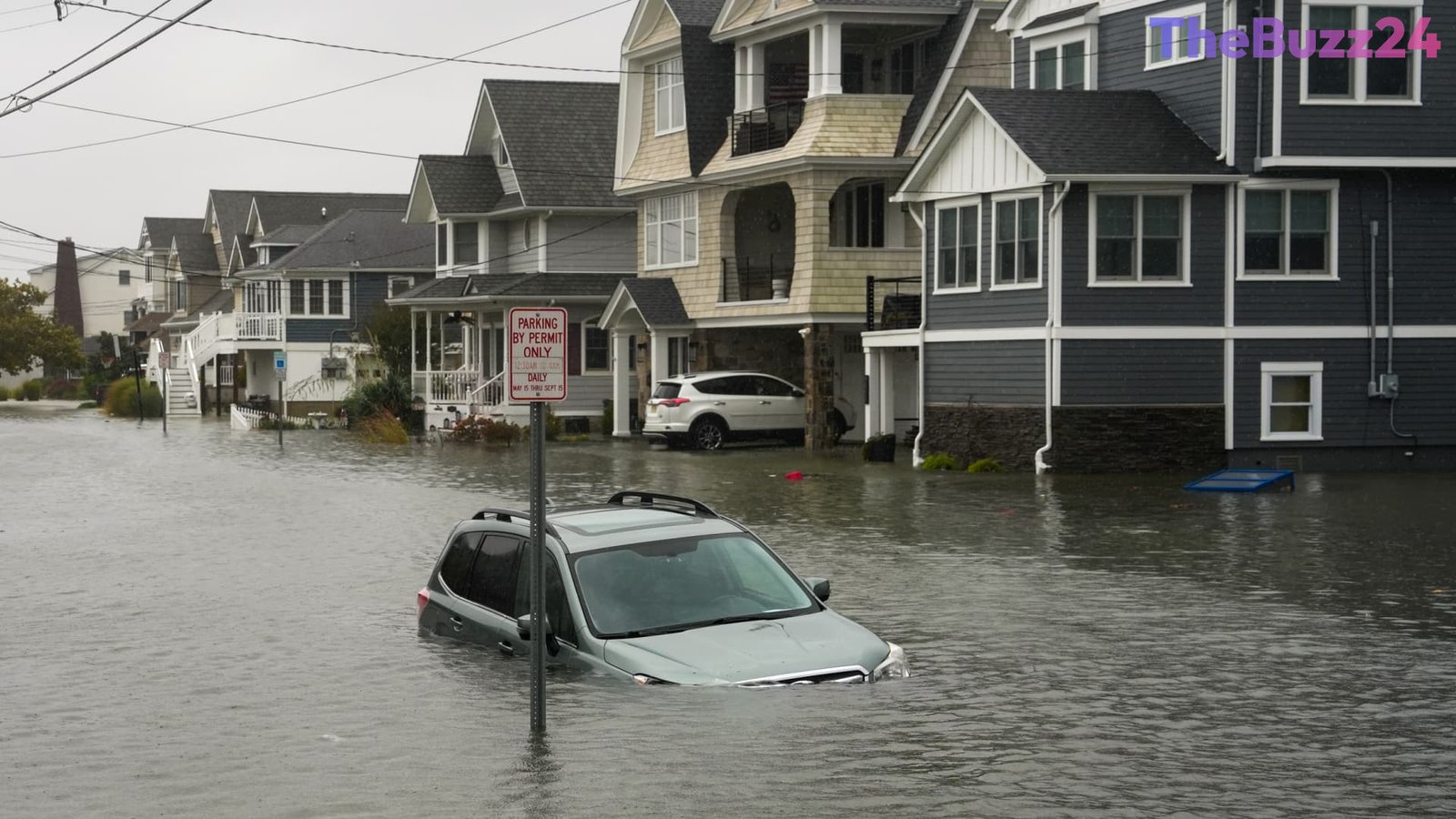
Coastal regions have borne the brunt of the weather event, with reports of severe flooding in areas ranging from New Jersey to Long Island. In many towns, rising waters have overtaken roadways, forced the closure of businesses, and caused significant property damage. Marina owners and residents have reported lost vessels and submerged equipment, with some comparing the intensity of the surge to historic storms. Emergency officials have issued stern warnings, urging the public to avoid coastal areas, as the combination of high winds and waves reaching up to 20 feet creates life-threatening conditions.
The storm has also caused widespread disruption to travel, entertainment, and professional sports. Major airports, including Boston Logan International, faced hundreds of cancellations, effectively isolating popular tourist destinations. Large-scale events, including high-profile concerts and triathlons, were scrapped, while Major League Baseball teams were forced to relocate games to avoid the path of the storm. Even personal milestones were impacted, with wedding guests stranded by highway closures in North Carolina, forcing last-minute adjustments to ceremonies.
As the storm continues to linger, state and local authorities remain on high alert. While nor’easters are a seasonal occurrence for the region, experts noted that this particular system arrived earlier than typical for such a high-intensity event. Emergency responders are currently working to assess damage and restore connectivity to isolated communities, while officials continue to emphasize that the primary threat remains the prolonged exposure to coastal flooding and hazardous wind conditions.
Key Takeaways
- A powerful nor'easter has caused widespread power outages and severe coastal flooding across the U.S. Northeast.
- The storm's slow movement is prolonging the threat of beach erosion and dangerous high tides, prompting emergency warnings from state officials.
- Major travel, sports, and entertainment events have been canceled or relocated due to the hazardous conditions.
Editor’s Analysis & Impact
The recent nor’easter highlights the increasing vulnerability of coastal infrastructure to extreme weather events, even those that are seasonally expected. From a business perspective, the disruption to major events and travel hubs underscores the significant economic impact such storms have on local tourism and logistics. The event serves as a reminder of the necessity for robust emergency management and resilient infrastructure planning in coastal zones. Looking forward, as climate patterns shift, the frequency and intensity of these ‘early’ season storms may force businesses and municipalities to re-evaluate their risk mitigation strategies, particularly regarding property protection and supply chain continuity. The ability of communities to recover quickly from such events will remain a critical metric for regional economic stability in the coming years.
Frequently Asked Questions
Q: What is a nor'easter?
A: A nor'easter is a large-scale weather system characterized by strong winds from the northeast that typically affects the East Coast of North America, often bringing heavy rain, snow, and coastal flooding.
Q: Why is this specific storm considered dangerous?
A: The storm is particularly dangerous due to its slow movement, which subjects coastal areas to prolonged high winds and waves, leading to severe beach erosion and persistent flooding.
AI Disclosure: This article is based on verified data and official reports. Our Team and AI have cross-referenced every financial detail with primary sources to ensure total accuracy.
More from this Category