US Escalates Middle East Presence with Third Carrier Group Amid Stalled Diplomacy and New Sanctions
The United States is significantly bolstering its military footprint in the Middle East by deploying a third aircraft carrier strike group alongside an amphibious force carrying 2,000 Marines. The USS Theodore Roosevelt strike group and the Makin Island force have departed San Diego, with the full buildup projected to be finalized by November. This strategic reinforcement coincides with indications from President Donald Trump regarding a potential resumption of military strikes against Iran following the upcoming November midterm elections.
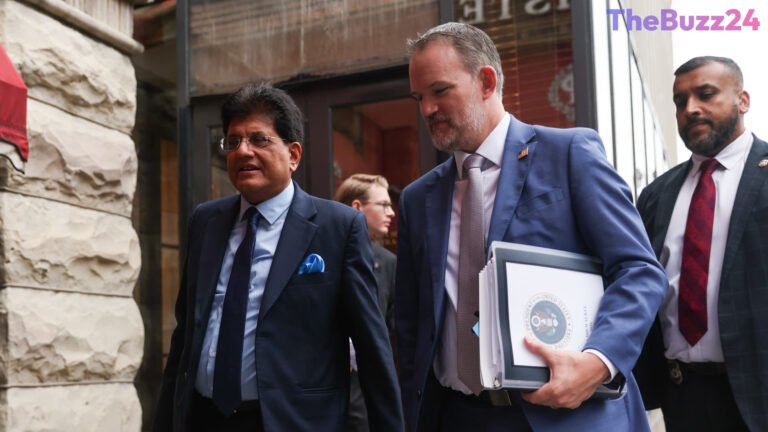
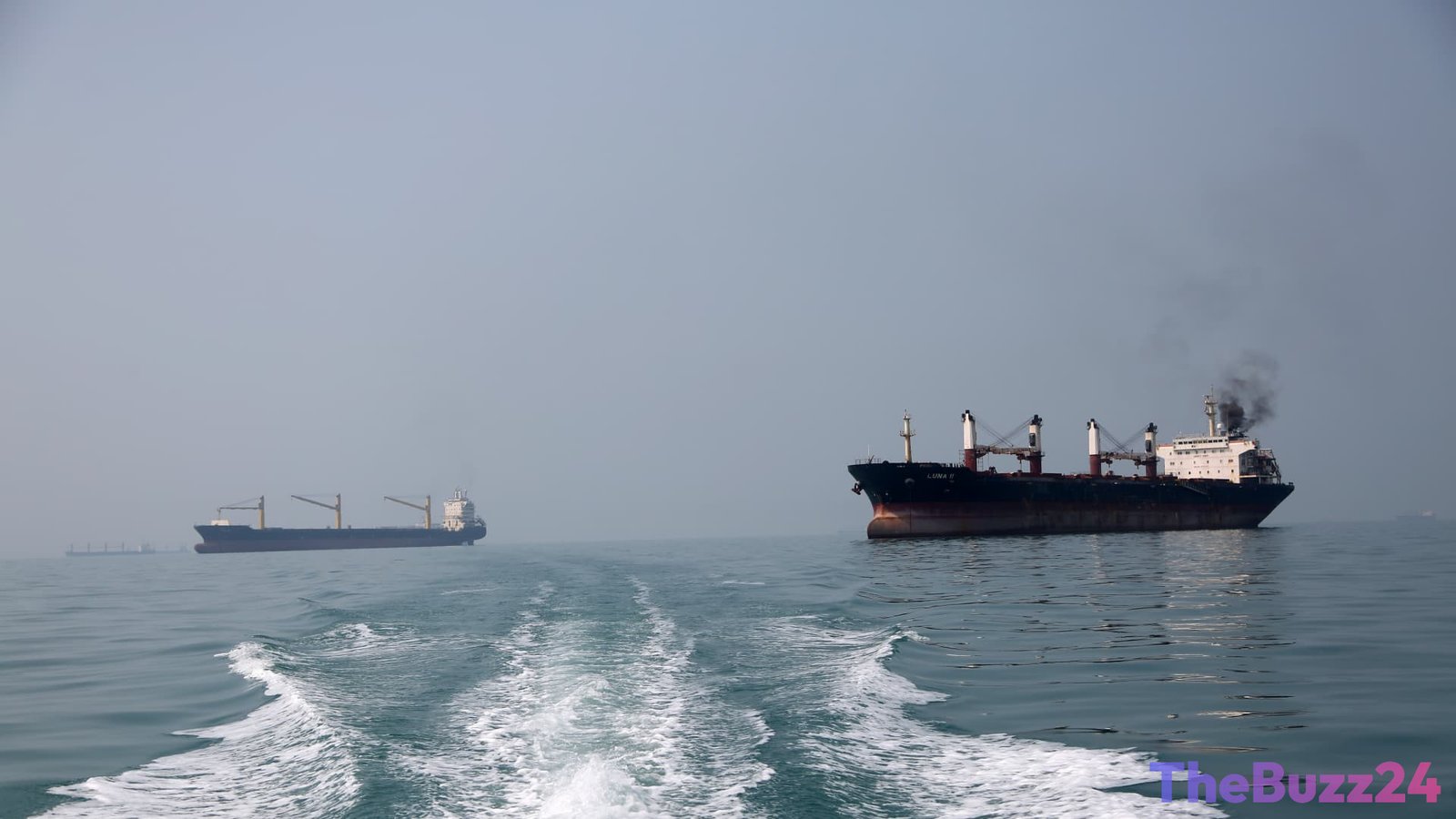
This military surge comes as the eight-month-long regional conflict remains locked in a stalemate. Recent diplomatic efforts have faltered, highlighted by Secretary of State Marco Rubio ordering Iranian Foreign Minister Abbas Araghchi’s delegation to depart New York ahead of schedule following the collapse of Qatari-mediated indirect talks. Tensions have also flared on the ground; the Saudi-led coalition in Yemen accused Iran-backed Houthi forces of launching a drone strike against a Medina power station supplying the Prophet’s Mosque. Houthi officials have vehemently denied the accusation, labeling it a fabrication. Meanwhile, maritime security remains precarious after an unidentified projectile struck a tanker in the Strait of Hormuz, sparking a fire.
On the economic front, the U.S. Treasury has intensified pressure on Tehran by expanding sanctions to target Iran’s automotive and railway sectors. These new measures impact state-owned rail entities and various suppliers across the UAE, Hong Kong, Turkey, and Indonesia, alongside the Russia-linked “A7 network” used for sanctions evasion. Treasury Secretary Scott Bessent reported that these aggressive economic blockades successfully restricted Iran’s crude oil exports to zero for the month of September. With Washington rejecting Iran’s proposal to reopen the Strait of Hormuz in exchange for sanctions relief, global oil prices continue to hover above pre-war levels.
Key Takeaways
- The U.S. is deploying the USS Theodore Roosevelt carrier group and 2,000 Marines to the Middle East, with completion expected by November.
- Diplomatic talks have collapsed, leading to the early departure of the Iranian delegation from New York and continued high global oil prices.
- The U.S. Treasury has expanded sanctions to target Iran's transport sectors and financial networks, claiming Iranian crude oil exports hit zero in September.
Editor’s Analysis & Impact
The deployment of a third U.S. carrier group to the Middle East, combined with expanded sanctions, signals a transition from containment to active deterrence. By targeting Iran’s automotive, rail, and financial networks, Washington aims to completely choke off Tehran’s economic lifelines. However, this maximum-pressure campaign carries severe risks. The stalemate in diplomatic channels, underscored by the abrupt dismissal of the Iranian delegation in New York, leaves little room for de-escalation. For global markets, the ongoing blockade of the Strait of Hormuz and recent tanker attacks ensure that energy volatility will persist. Investors should brace for sustained high oil prices as geopolitical risk premiums remain priced into the market. The post-midterm election window will be critical, as any direct military action could trigger a broader regional conflict with profound consequences for global trade.
Frequently Asked Questions
Q: Why is the U.S. sending more military forces to the Middle East?
A: The U.S. is deploying a third aircraft carrier strike group and 2,000 Marines to reinforce its military posture amid a prolonged regional stalemate and rising tensions with Iran.
Q: What new economic measures has the U.S. taken against Iran?
A: The U.S. Treasury has expanded sanctions to target Iran's automotive and railway sectors, including international suppliers in the UAE, Turkey, Hong Kong, and Indonesia, as well as a Russia-linked financial evasion network.
Q: What is the status of diplomatic negotiations between the U.S. and Iran?
A: Diplomatic efforts are currently deadlocked. Indirect talks mediated by Qatar failed to yield a breakthrough, resulting in the U.S. rejecting Iran's proposal to reopen the Strait of Hormuz in exchange for lifting the blockade.
AI Disclosure: This article is based on verified data and official reports. Our Team and AI have cross-referenced every financial detail with primary sources to ensure total accuracy.
More from this Category