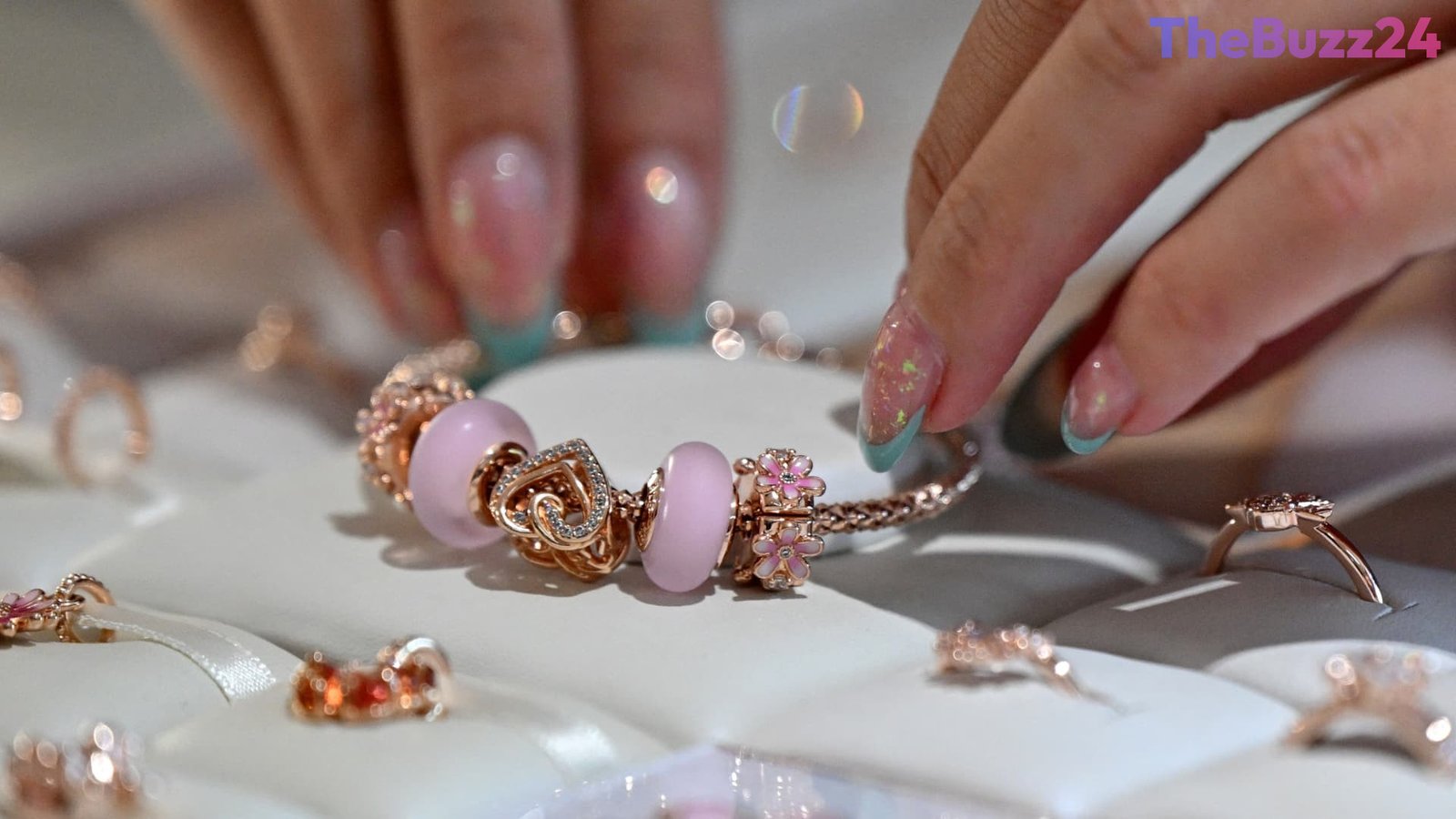
Pandora Expands in Asia with $150 Million Vietnam Facility to Fuel Growth and Lab-Grown Diamond Demand
Danish jewelry behemoth Pandora has officially inaugurated its brand-new $150 million manufacturing facility in Vietnam, marking a strategic shift to diversify its production footprint outside of its traditional base in Thailand. This state-of-the-art facility in Ho Chi Minh City is designed to dramatically scale operations, boosting the company’s overall manufacturing capacity by roughly 50 percent. Once operating at maximum capacity, the plant is expected to churn out up to 60 million pieces of jewelry each year while employing a workforce of approximately 7,000 individuals.
Leadership remains exceptionally optimistic about the Asian market, citing robust regional performance and burgeoning consumer demand. While Japan has emerged as a powerhouse with its business size doubling over a brief three-year span, other markets like China are showing promising signs of recovery. After experiencing consecutive years of retail contraction in the Chinese mainland, the brand notes a vital turning point with renewed growth trajectories taking shape this year, reinforcing the region’s long-term strategic importance.
Simultaneously, Pandora is doubling down on the burgeoning market for lab-grown diamonds, capitalizing on a significant shift in consumer preferences toward ethical and budget-friendly luxury. By offering stones that generate about 90 percent fewer carbon emissions compared to traditional mined diamonds, the jeweler is successfully capturing eco-conscious younger buyers. This sustainable approach aligns seamlessly with the brand’s broader environmental initiatives, which already incorporate recycled gold and silver alongside renewable energy utilization at the newly minted Vietnamese production plant.
Key Takeaways
- Pandora opened a $150 million production plant in Ho Chi Minh City, expanding manufacturing capacity by 50%.
- The company is experiencing strong growth in Asia, notably doubling its business size in Japan over three years and seeing a recovery in China.
- Consumer demand for lab-grown diamonds is surging due to lower price points and significantly reduced carbon emissions.
Editor’s Analysis & Impact
Pandora’s strategic investment in Vietnam highlights a broader manufacturing trend among global retail giants seeking supply chain diversification away from single-country reliance. By establishing a massive production hub outside Thailand, Pandora secures the necessary infrastructure to meet anticipated future demand in high-growth Asian markets. Furthermore, the aggressive pivot toward lab-grown diamonds is a masterclass in modern consumer alignment. As younger demographics increasingly prioritize sustainability and value, traditional luxury models are being disrupted. Pandora’s ability to offer eco-friendly, lower-cost alternatives while maintaining sustainability credentials positions the brand favorably against competitors, ensuring resilience and adaptability in a rapidly evolving global luxury landscape.
Frequently Asked Questions
Q: Where is Pandora's new manufacturing facility located?
A: The new $150 million manufacturing facility is located in Ho Chi Minh City, Vietnam.
Q: How much does the new Vietnam plant increase Pandora's production capacity?
A: The new facility boosts Pandora's total manufacturing capacity by approximately 50%, with the ability to produce up to 60 million pieces of jewelry annually.
Q: Why is Pandora focusing on lab-grown diamonds?
A: Pandora is focusing on lab-grown diamonds because consumers are increasingly drawn to their affordability and sustainability, noting that lab-grown stones produce about 90% fewer carbon emissions than mined diamonds.
AI Disclosure: This article is based on verified data and official reports. Our Team and AI have cross-referenced every financial detail with primary sources to ensure total accuracy.
More from this Category