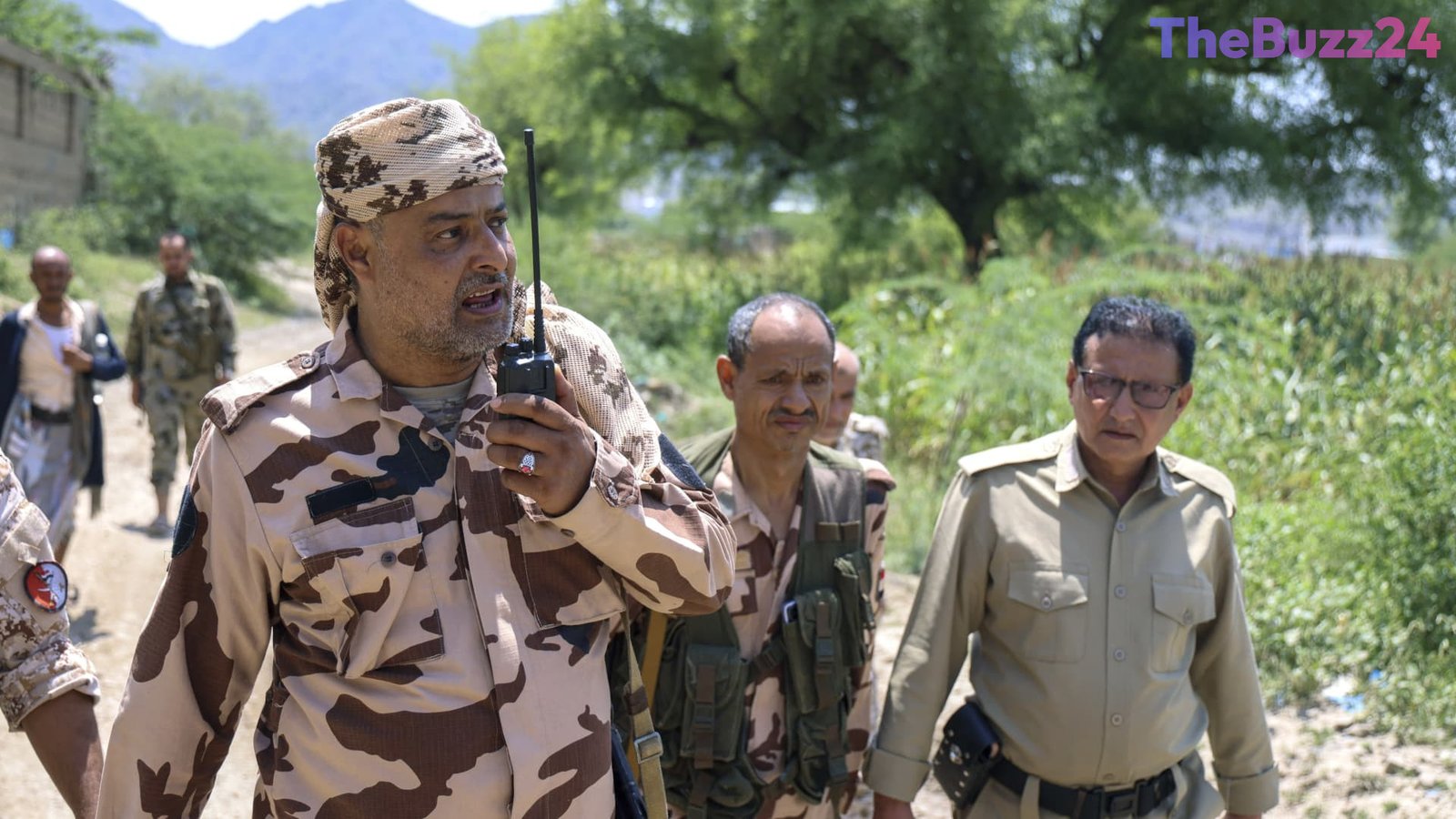
Yemeni Government Initiates Major Offensive to Retake Territory from Houthi Forces
The internationally recognized government of Yemen has officially announced a sweeping military campaign aimed at reclaiming all territories currently controlled by the Houthi movement. In a recent televised address, leadership declared that armed forces would press forward with the offensive until the entire nation is fully liberated from insurgent control, while military officials simultaneously urged rebel fighters to surrender their arms.
The escalation comes on the heels of a strategic territorial advance by the Houthis, who recently seized control of vital coastal areas and key maritime checkpoints along the Red Sea. These developments have significantly heightened tensions across the region, heavily impacting critical international shipping lanes and drawing responses from neighboring coalitions and international allies alike. Government officials noted that the decision to pursue a full-scale counteroffensive was reached only after all diplomatic avenues for de-escalation proved unsuccessful.
Meanwhile, conflict dynamics have continued to intensify on multiple fronts. Houthi leadership recently claimed responsibility for launching projectile attacks targeting major energy infrastructure within Saudi Arabia, citing ongoing airstrikes in Yemen as the catalyst. As ground clashes spread toward strategic regions such as Taiz, humanitarian agencies have raised alarms over the severe toll the renewed violence is taking on local populations, exacerbating food insecurity and displacing tens of thousands of civilians across the embattled nation.
Key Takeaways
- Yemen's internationally recognized government launched a major military campaign to reclaim Houthi-controlled territories.
- The offensive follows recent Houthi advances that captured strategic Red Sea coastlines and crucial shipping routes.
- Renewed fighting has intensified humanitarian concerns, threatening food supplies and displacing thousands of civilians.
Editor’s Analysis & Impact
The renewed military campaign in Yemen marks a critical turning point in an already complex regional conflict, intertwining local territorial disputes with broader geopolitical confrontations involving international superpowers and regional energy corridors. As the government attempts to roll back Houthi territorial gains, the security of critical maritime choke points like the Bab el-Mandeb strait remains a paramount concern for global commerce and energy supply chains. Economically, prolonged instability in this region threatens to drive up shipping costs and energy prices. Furthermore, the humanitarian toll cannot be overlooked; intensifying hostilities risk derailing fragile food distribution networks, deepening a crisis that affects millions of vulnerable civilians. The future outlook depends heavily on the military efficacy of the coalition’s ground and air coordination, as well as the potential for international intervention to prevent a wider escalation.
Frequently Asked Questions
Q: Why did the Yemeni government launch the new military offensive?
A: The government stated that all diplomatic avenues and chances for de-escalation had been exhausted, prompting the decision to launch a counteroffensive after the Houthis captured strategic coastal areas and shipping routes.
Q: What areas are currently central to the fighting?
A: Key areas of conflict include the Bab el-Mandeb strait along the Red Sea coast, strategic positions near Taiz, and contested regions in northwestern Yemen.
Q: How is the humanitarian situation being impacted?
A: Aid agencies report that the surge in fighting has displaced tens of thousands of people, disrupted vital supply chains, and severely worsened food insecurity for families across the country.
AI Disclosure: This article is based on verified data and official reports. Our Team and AI have cross-referenced every financial detail with primary sources to ensure total accuracy.
More from this Category