Curiosity Rover Strikes Geological Gold at Mars’ Cache Creek
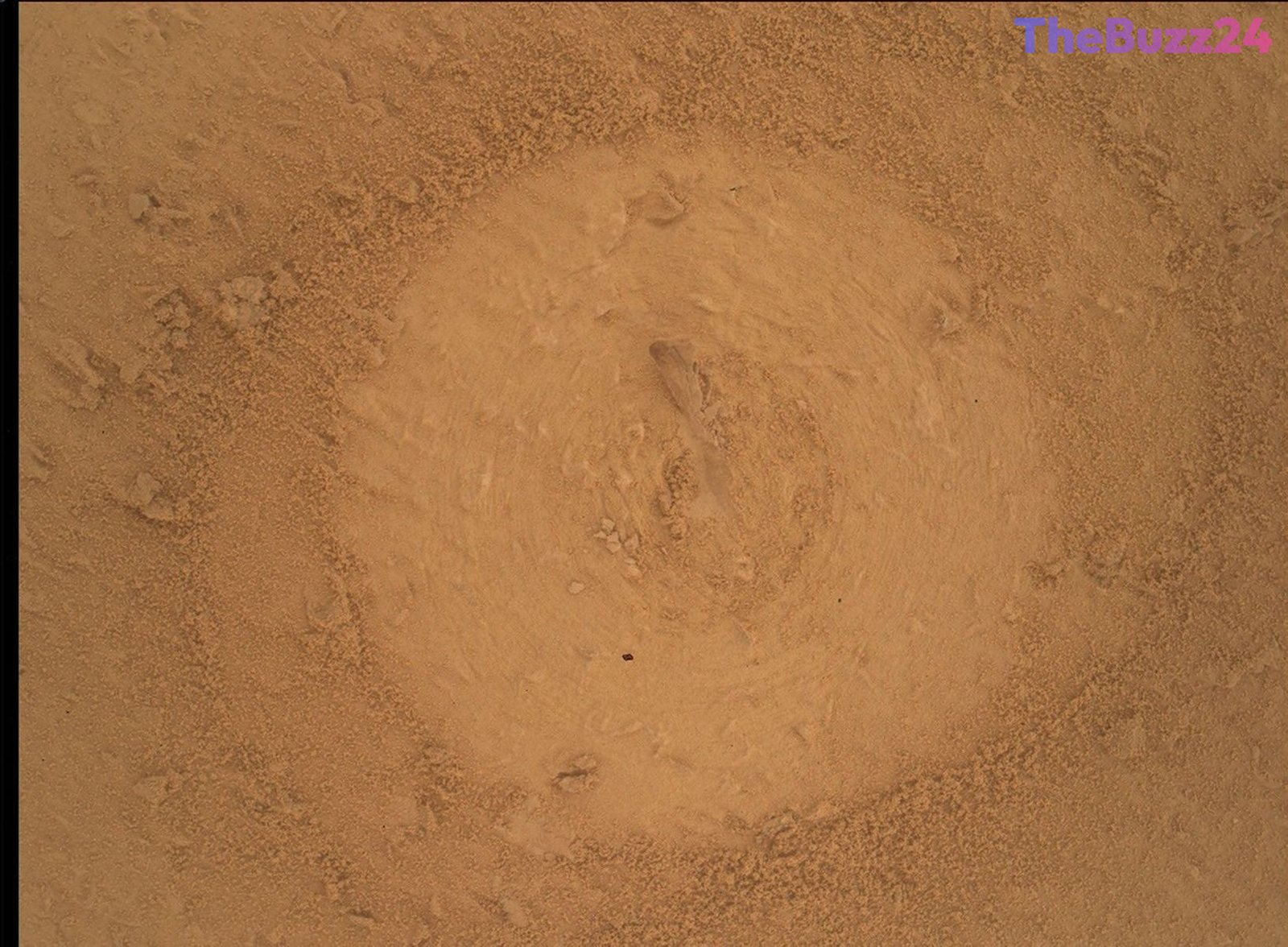
The Mars rover Curiosity has reached a significant milestone in its ongoing exploration of Gale crater, successfully drilling into its 48th rock target, dubbed “Basque Lakes.” Located within the newly entered Cache Creek quad, this site is named after a geologically diverse region in British Columbia, Canada, known for its unique oceanic crust and mineral-rich lakes. Scientists hope that the chemical composition of the Martian rock will provide clues about the planet’s ancient environmental history, potentially mirroring the complex mineralogy found in its Canadian namesake.
To ensure the success of the drilling operation, the mission team conducted a rigorous triage process. The rover utilized its Alpha Particle X-ray Spectrometer (APXS) to analyze surface chemistry, while the Mars Hand Lens Imager (MAHLI) captured high-resolution, close-up textures of the target. Additionally, the ChemCam instrument fired its laser to further characterize the rock’s composition. Following a successful pre-load stability test, the rover proceeded with the drill, marking a critical step in the mission’s long-term study of Mount Sharp.
Despite the challenges posed by power constraints and the rover’s advanced age, the mission continues to maintain a high level of productivity. Beyond the drilling activities, Curiosity has been busy imaging the surrounding terrain, including a nearby butte known as “Cordillera,” and monitoring atmospheric conditions within the crater. The team is now eagerly awaiting the results of the CheMin X-ray diffraction analysis, which will reveal the mineralogical secrets hidden within the Basque Lakes sample before the rover eventually moves on to continue its trek across the Martian landscape.
Key Takeaways
- Curiosity successfully completed its 48th drilling operation on Mars at a site named 'Basque Lakes'.
- The mission is currently exploring the 'Cache Creek' quad, an area chosen for its geological diversity and potential links to ancient Martian water chemistry.
- The rover continues to perform complex scientific analyses, including X-ray diffraction, despite power limitations and the wear associated with its long-term mission.
Editor’s Analysis & Impact
The continued success of the Curiosity rover, now over 5,000 sols into its mission, serves as a testament to the durability of robotic engineering and the enduring value of long-term planetary exploration. By focusing on specific geological ‘quads’ that mirror terrestrial environments, researchers are effectively building a comparative database that bridges the gap between Earth’s geological history and Mars’ potential for past habitability. The focus on mineralogy at Cache Creek is particularly significant, as it moves beyond simple surface observation into the detailed chemical analysis required to understand the planet’s ancient climate. As the rover continues its ascent of Mount Sharp, the data gathered will remain foundational for future crewed missions, providing the necessary context for understanding the risks and resources available on the Martian surface.
Frequently Asked Questions
Q: Why is the Cache Creek area significant for the Curiosity mission?
A: Cache Creek is named after a geologically diverse region in British Columbia. Scientists believe the area's unique mineralogy and history of unusual lake chemistry may provide direct analogies to the ancient environmental conditions that once existed on Mars.
Q: What is the purpose of the 'pre-load test' performed by the rover?
A: The pre-load test is a safety procedure where the rover's robotic arm applies pressure to a rock target to ensure it is stable enough to withstand the mechanical stress of the drilling process without shifting or breaking.
AI Disclosure: This article is based on verified data and official reports. Our Team and AI have cross-referenced every financial detail with primary sources to ensure total accuracy.
More from this Category