Global Markets Retreat as Rising Treasury Yields and Surging Oil Prices Fuel Inflation Fears
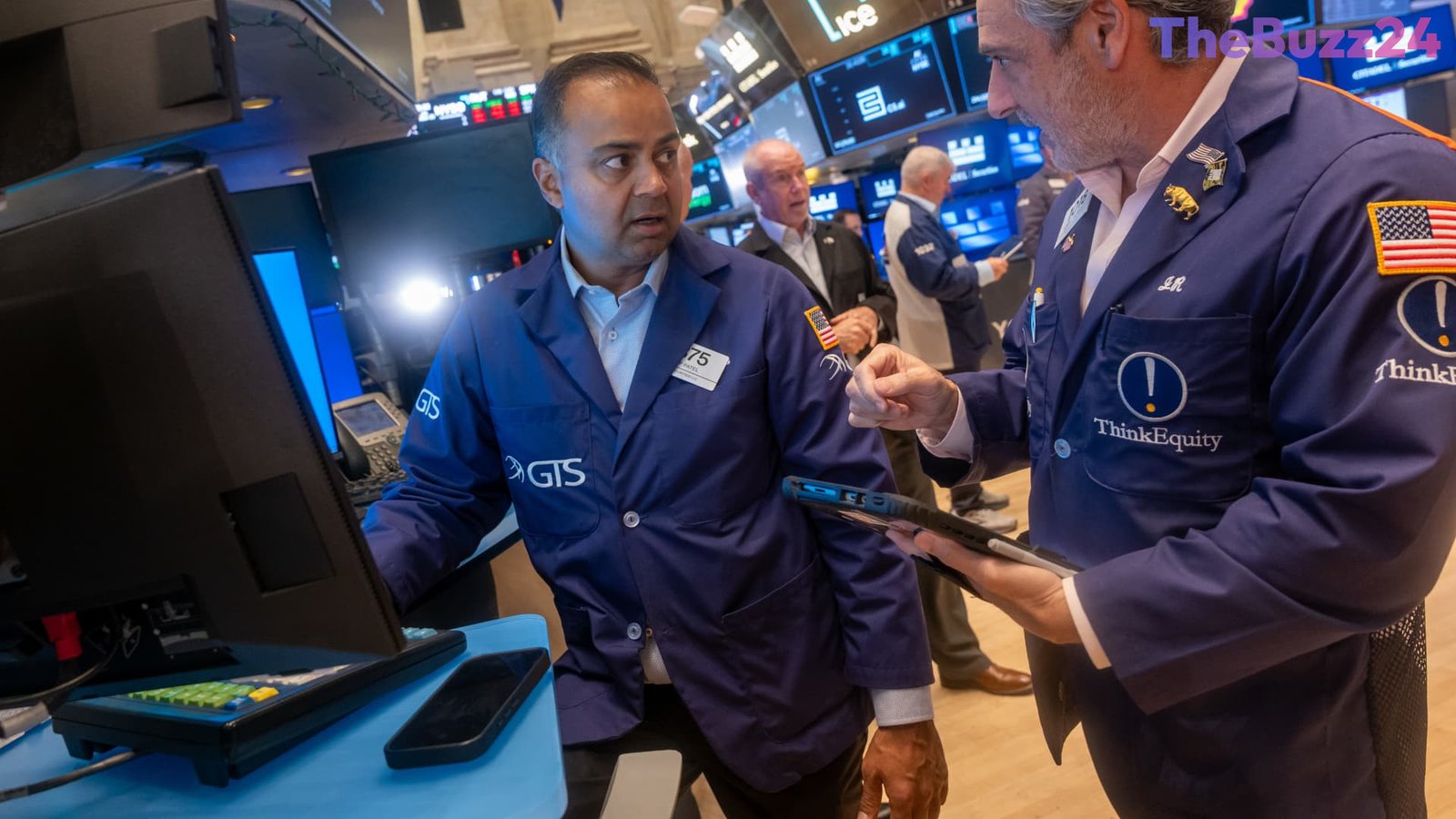
Wall Street futures tumbled on Thursday as investors grappled with a dual headwind of surging Treasury yields and escalating energy costs. Dow Jones Industrial Average futures shed over 400 points, while the S&P 500 and Nasdaq-100 futures also posted notable declines. The sell-off was triggered by a sharp rise in the benchmark 10-year Treasury yield, which climbed to 5.354%—a level not seen since 2002. Meanwhile, the 30-year Treasury bond yield hovered near 24-year highs. This upward pressure on yields intensified following hawkish remarks from Federal Reserve Governor Christopher Waller, who suggested that further interest rate hikes may be necessary to bring inflation back down to the central bank’s target.
Adding to the market’s anxiety, crude oil prices surged significantly amid escalating geopolitical tensions in the Middle East. Brent crude jumped over 5% to surpass $105 per barrel, while West Texas Intermediate (WTI) futures advanced to $92.71. Reports indicating potential U.S. military operations and strikes in Iran, combined with ongoing regional hostilities targeting shipping lanes and airports, have stoked fears of severe supply disruptions. Financial analysts warn that these elevated energy prices could keep inflation sticky, thereby forcing global central banks to maintain restrictive monetary policies for longer than previously anticipated.
The bearish sentiment reverberated across international markets. In Europe, major indices including the pan-European Stoxx 600, the U.K.’s FTSE 100, and Germany’s DAX all traded in negative territory. Bank of France Governor Emmanuel Moulin noted that European inflation remains heavily tied to energy costs, highlighting a strong correlation between oil prices and long-term interest rates. In Asia, Japan’s Nikkei 225 and South Korea’s Kospi suffered sharp losses. On the corporate front, HSBC shares faced pressure following reports of planned job cuts in its U.K. wealth management division to accelerate artificial intelligence integration, while retail giant Levi Strauss lowered its full-year revenue growth guidance despite raising its profit outlook.
Despite the current volatility, some market participants remain cautiously optimistic. Many are looking toward the upcoming corporate earnings season to provide a much-needed catalyst for equities. Projections suggest robust earnings growth for the S&P 500, which could help sustain the broader market rally even in a high-interest-rate environment. However, strategists caution that the market must first navigate a “wall of worry” regarding how long these elevated rates will persist and whether they will ultimately trigger a broader economic slowdown.
Key Takeaways
- U.S. stock futures fell sharply as the 10-year Treasury yield hit its highest level since 2002, driven by expectations of further Federal Reserve rate hikes.
- Geopolitical tensions in the Middle East pushed Brent crude oil prices up by over 5% to exceed $105 per barrel, raising fresh concerns about energy-driven inflation.
- Global equity markets in Europe and Asia mirrored Wall Street's decline, while corporate developments like HSBC's AI-driven job cuts and Levi Strauss's lowered revenue guidance added to investor caution.
Editor’s Analysis & Impact
The convergence of multi-decade high Treasury yields and surging crude oil prices presents a formidable challenge for global financial markets. The Federal Reserve’s persistent hawkish stance, underscored by Governor Waller’s comments, suggests that the ‘higher-for-longer’ interest rate narrative is firmly entrenched. This environment increases borrowing costs for corporations and consumers alike, threatening economic growth. Furthermore, the geopolitical premium embedded in oil prices acts as a regressive tax on global consumption, complicating the inflation-fighting efforts of central banks like the European Central Bank and the Fed. While strong corporate earnings could offer a temporary buffer for equities, the structural shift in the bond market suggests that volatility will remain elevated. Investors should prepare for a transition from momentum-driven strategies to quality-focused allocations, prioritizing companies with strong balance sheets and pricing power.
Frequently Asked Questions
Q: Why are U.S. Treasury yields rising so rapidly?
A: Yields are rising due to persistent inflation concerns and hawkish signals from Federal Reserve officials, who suggest that additional interest rate hikes may be needed to cool the economy.
Q: How are geopolitical tensions affecting the stock and commodity markets?
A: Tensions in the Middle East have raised fears of oil supply disruptions, causing crude prices to spike. Higher energy costs fuel inflation expectations, which in turn pressures stock markets globally.
Q: What is the corporate outlook amid these macroeconomic headwinds?
A: While some companies like Levi Strauss are adjusting their revenue expectations downward, overall corporate earnings projections remain relatively strong, which many investors hope will support stock valuations despite high interest rates.
AI Disclosure: This article is based on verified data and official reports. Our Team and AI have cross-referenced every financial detail with primary sources to ensure total accuracy.
More from this Category