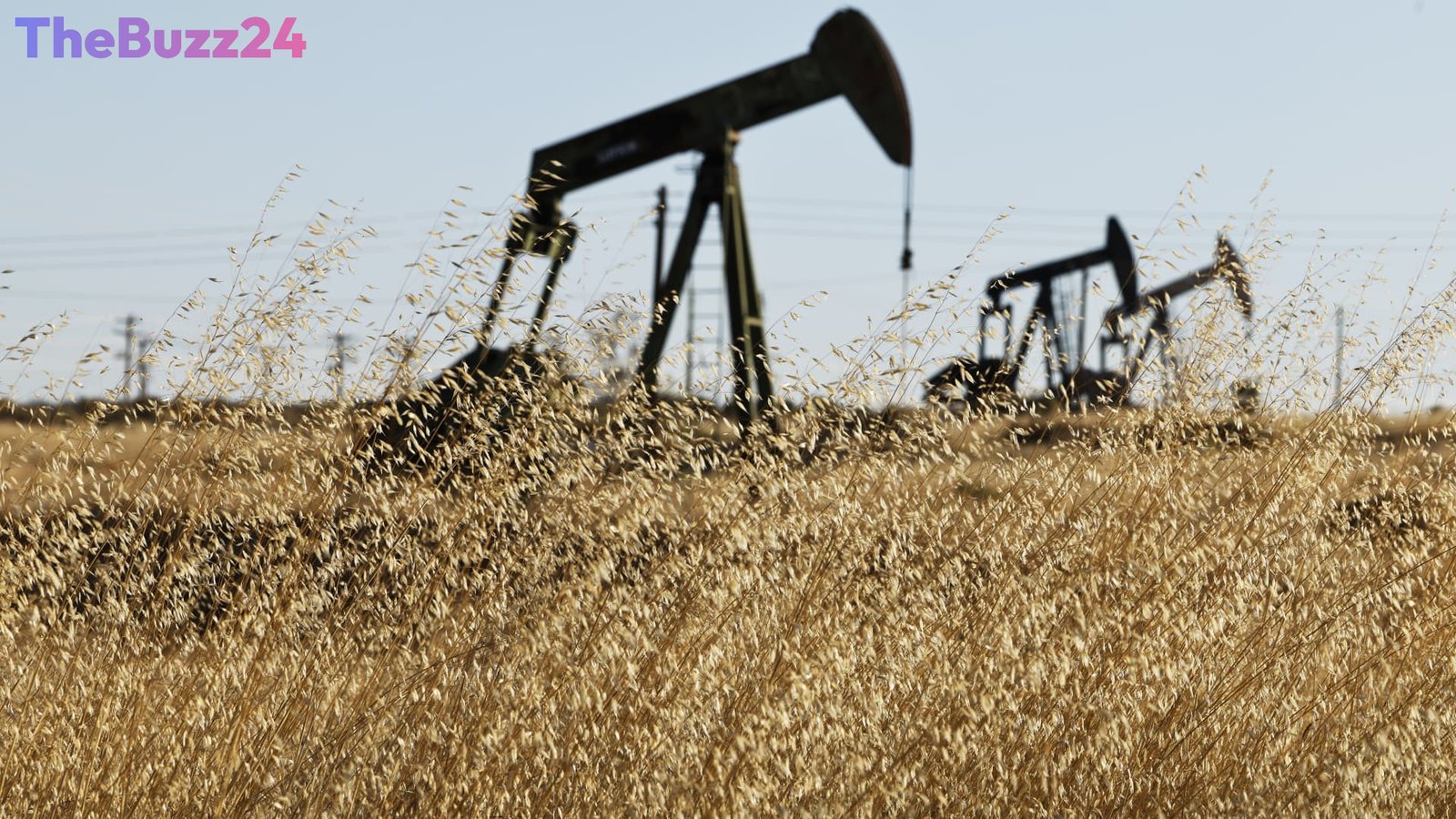
Oil Prices Surge as Middle East Tensions Escalate Amid Reports of Potential Iran Strikes
Global oil prices experienced a significant jump on Thursday, with Brent crude futures surpassing the $112 mark. This surge is largely attributed to heightened concerns over potential military actions in the Middle East, specifically reports indicating that the United States and Israel are developing plans for renewed strikes against Iran. The timing of these potential strikes is reportedly set for after the upcoming midterm elections.
Adding to the regional instability, the U.S. has also instructed non-essential government personnel and their dependents to depart from Saudi Arabia. This directive comes in response to a rise in attacks by Houthi forces against the kingdom. A State Department spokesperson clarified that this order is specific to Saudi Arabia, refuting broader claims of a regional evacuation, and emphasized the escalating threat from Iran-aligned Houthis targeting civilian infrastructure.
While the prospect of renewed conflict and its impact on energy markets is a significant concern, some analysts suggest the economic repercussions might be less severe than in past decades. David Wagner, head of equity and portfolio manager at Aptus Capital Advisors, noted that consumers are currently less susceptible to energy price shocks. He pointed to data indicating that gasoline now represents a smaller portion of average disposable income compared to previous years, suggesting households may be better equipped to manage higher energy costs. Despite the current price increases, crude oil remains below its inflation-adjusted historical peaks.
Key Takeaways
- Brent crude oil prices rose above $112 per barrel due to fears of renewed strikes on Iran.
- The U.S. is evacuating non-essential personnel from Saudi Arabia amid increased Houthi attacks.
- Analysts suggest consumers may be more resilient to high oil prices than in previous decades.
Editor’s Analysis & Impact
The current spike in oil prices, driven by geopolitical tensions in the Middle East, underscores the persistent vulnerability of global energy markets to regional instability. Reports of potential U.S. and Israeli strikes on Iran, coupled with heightened Houthi activity in Saudi Arabia, create a volatile environment. While some market observers believe consumers are better positioned to absorb higher energy costs than in the past, sustained elevated prices could still exert pressure on inflation and economic growth. The situation highlights the delicate balance between energy security and international relations, with significant implications for both the energy sector and the broader global economy.
Frequently Asked Questions
Q: Why are oil prices increasing?
A: Oil prices are increasing due to concerns about potential military escalation in the Middle East, specifically reports of planned strikes on Iran and rising Houthi attacks in Saudi Arabia, which could disrupt oil supply.
Q: What is the U.S. government doing in Saudi Arabia?
A: The U.S. government has ordered non-emergency government employees and their families to leave Saudi Arabia due to an increase in attacks by Iran-aligned Houthis on civilian targets in the country.
Q: Could high oil prices impact consumers as much as before?
A: Some analysts believe consumers may be less vulnerable to high oil prices compared to previous decades. This is partly because energy costs, such as gasoline, represent a smaller percentage of average disposable income today than they did in the past.
AI Disclosure: This article is based on verified data and official reports. Our Team and AI have cross-referenced every financial detail with primary sources to ensure total accuracy.
More from this Category