Judge Mandates Donald Trump Provide Sworn Testimony in Defamation Battle Against BBC
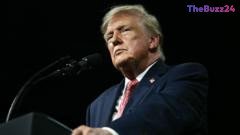
A United States magistrate judge has formally directed Donald Trump to complete a deposition under oath by December 11 in his ongoing defamation lawsuit against the BBC. The legal dispute centers on a Panorama episode that allegedly spliced together two separate segments of a speech delivered by Trump prior to the January 6, 2021, events at the US Capitol.
The directive follows a court hearing where legal representatives for the broadcaster highlighted that the plaintiff had yet to be deposed with the discovery deadline rapidly approaching. A previously scheduled deposition on October 16 was called off after Trump’s team cited urgent campaign obligations in Georgia and matters of national importance.
While Trump’s attorneys subsequently proposed scheduling the sworn interview between January 11 and January 22 of the following year, arguing that the former president was not intentionally dodging the proceedings, the court maintained the December deadline unless an extension is officially granted. The underlying Florida lawsuit accuses the network of deceptively editing the speech to create a false impression of inciting violence, a blunder for which the broadcaster previously issued an apology while simultaneously seeking a dismissal of the case.
Key Takeaways
- A US judge ordered Donald Trump to complete a sworn deposition by December 11 in his defamation case against the BBC.
- The lawsuit targets a Panorama episode that allegedly edited together two different sections of Trump's speech before the Capitol riot.
- Trump's legal team previously cancelled an October deposition due to campaign commitments, while the BBC has sought to dismiss the lawsuit.
Editor’s Analysis & Impact
This high-profile legal battle highlights the complex intersection of media accountability, defamation law, and political figures. As the case moves deeper into the discovery phase, the compelled deposition of Donald Trump will serve as a critical turning point. Beyond the immediate legal maneuvering, the outcome could establish significant precedents regarding how heavily edited historical footage and political speeches are scrutinized in defamation litigation. Media organizations worldwide will be monitoring the proceedings closely, as the ruling on jurisdiction and editorial standards could heavily influence future cross-border broadcast liability and journalistic practices.
Frequently Asked Questions
Q: What is a deposition in US law?
A: A deposition is an out-of-court statement made under oath in response to legal questioning, recorded verbatim by a court reporter to potentially be used as evidence in later proceedings.
Q: Why is Donald Trump suing the BBC?
A: Trump filed a defamation lawsuit accusing the BBC of intentionally and deceptively doctoring a speech he gave outside the Capitol on January 6, 2021, during an episode of Panorama.
Q: What did the judge order regarding the deposition?
A: US Magistrate Judge Enjoliqué Lett ordered that Trump must sit for his deposition by December 11, unless the discovery period is formally extended by the court.
AI Disclosure: This article is based on verified data and official reports. Our Team and AI have cross-referenced every financial detail with primary sources to ensure total accuracy.
More from this Category