Maria Corina Machado Returns to Venezuela Amid Shifting Political Landscape
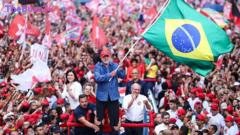
Opposition leader Maria Corina Machado has returned to Venezuela, marking a significant turning point in the nation’s volatile political climate. Her arrival in Caracas, characterized by large, jubilant crowds, stands in stark contrast to her clandestine departure ten months ago. Machado, who had been unable to re-enter her homeland due to previous government restrictions and international diplomatic hurdles, was greeted by supporters who view her presence as a symbol of renewed hope and democratic resilience.
The political environment in Venezuela has undergone a radical transformation since Machado’s departure to accept the Nobel Peace Prize. Following the removal of former President Nicolás Maduro in January, the administration of Delcy Rodríguez has adopted a markedly different approach to international relations, particularly with the United States. This shift has facilitated a new era of bilateral cooperation, highlighted by a major energy agreement granting the U.S. long-term concessions over significant Venezuelan oil reserves.
Despite the warming relations between Caracas and Washington, Machado’s return introduces a complex dynamic. While she remains a potent symbol of opposition, the current U.S. administration has expressed satisfaction with the existing leadership under Rodríguez, creating a delicate balance of power. Analysts suggest that Machado’s physical presence on the ground significantly strengthens the opposition’s ability to mobilize, potentially accelerating the momentum of ongoing reconciliation talks brokered by international partners.
As Machado navigates the legal challenges still pending against her, her return signals a potential thawing of the fear that has long gripped the Venezuelan electorate. With reports indicating a decrease in state-led repression and an increase in public demonstrations, the political landscape appears to be entering a phase of transition. Whether this leads to a formal power-sharing agreement or continued friction between the established government and the opposition remains a central question for the nation’s future.
Key Takeaways
- Opposition leader Maria Corina Machado has returned to Venezuela after ten months in exile, signaling a major shift in the country's political atmosphere.
- The political landscape has been fundamentally altered since the removal of Nicolás Maduro and the subsequent establishment of a more cooperative relationship between the current Venezuelan government and the U.S.
- Machado’s return is expected to galvanize the opposition movement and provide a tangible leadership presence that could influence ongoing U.S.-brokered reconciliation talks.
Editor’s Analysis & Impact
The return of Maria Corina Machado represents a critical inflection point for Venezuelan stability. By transitioning from an exiled figurehead to a physically present leader, she effectively shifts the opposition from a reactive stance to a proactive one. The market impact is primarily centered on the energy sector; the U.S.-Venezuela oil deal suggests that Washington is prioritizing energy security and regional stability over the total removal of the current regime. However, the long-term outlook remains precarious. The tension between the U.S. administration’s preference for the current, malleable leadership and the grassroots support for Machado creates a ‘dual-track’ political reality. Future implications hinge on whether the Rodríguez administration can maintain its current trajectory of cooperation with Washington while simultaneously managing the rising domestic pressure for democratic reform led by a reinvigorated opposition.
Frequently Asked Questions
Q: Why was Maria Corina Machado unable to return to Venezuela earlier?
A: Machado was previously prevented from returning by a combination of Venezuelan government restrictions and diplomatic caution from the U.S. administration, which had deemed the timing unsuitable for her reentry.
Q: How has the relationship between the U.S. and Venezuela changed recently?
A: The relationship has shifted from open hostility during the Maduro era to a more cooperative stance under the current administration, evidenced by a significant oil deal and ongoing reconciliation talks brokered by Washington.
AI Disclosure: This article is based on verified data and official reports. Our Team and AI have cross-referenced every financial detail with primary sources to ensure total accuracy.
More from this Category