Ancient Martian Meteorite ‘Teghaza 001’ Offers Unprecedented Glimpse into Red Planet’s Early History
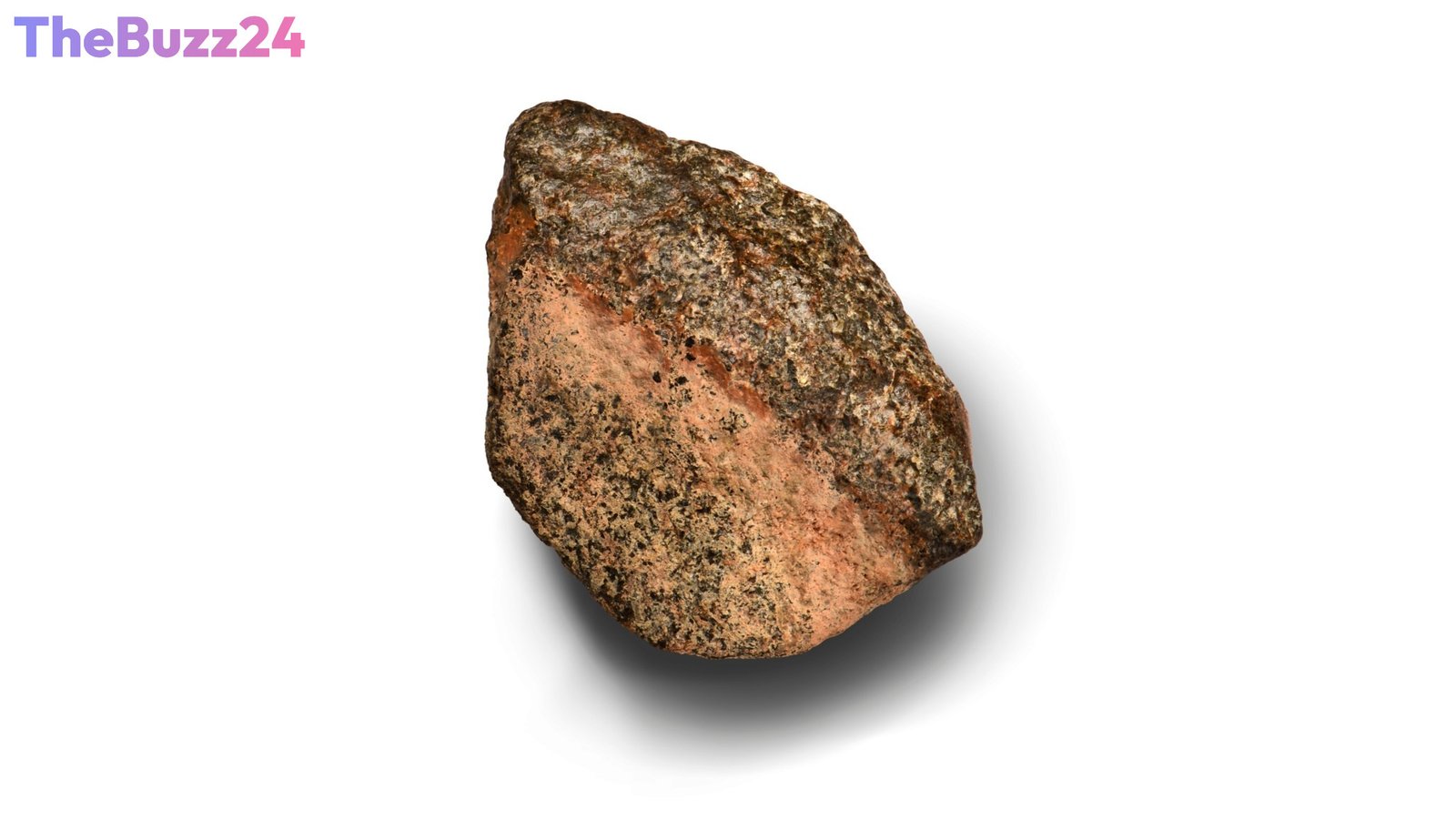
A remarkable rose-colored meteorite discovered in the Sahara Desert in 2022 has been identified as one of the oldest Martian rocks ever found on Earth. Dubbed Teghaza 001, this nearly two-pound specimen offers scientists a rare window into the ancient crust and formation processes of Mars, dating back over 4.1 billion years. The discovery, detailed in a recent study, is providing invaluable insights into the planet’s early geological evolution and the role of water.
Named after the salt plain in Mali where it was unearthed, Teghaza 001 is one of approximately 435 meteorites known to originate from the Red Planet. Unlike other ancient Martian meteorites, which offer more limited geological perspectives, Teghaza 001 possesses a unique composition of igneous minerals. This diverse mineralogy suggests a complex formation process involving the cooling of magma to create the planet’s crust, followed by significant alteration from subsurface water. This composition aligns with observations made by NASA’s Mars Reconnaissance Orbiter in the planet’s southern highlands, hinting at potential origin sites.
Researchers utilized a novel age-dating technique on a minuscule fragment of the meteorite, preserving the bulk of the sample for future analysis. This advanced method allowed for precise dating of individual mineral grains, revealing not only the meteorite’s formation age but also the timing of water-induced alterations. The presence of zircon crystals within Teghaza 001 has been particularly crucial, providing detailed clues about its history. The findings suggest a more dynamic water cycle on early Mars than previously understood, potentially impacting atmospheric conditions as water was lost.
Scientists are hailing Teghaza 001 as a ‘Rosetta Stone’ for understanding Mars. Its unique characteristics and ancient origins make it an invaluable resource for answering fundamental questions about the Red Planet’s past, including the intricate interactions between water and rock. The ongoing study of this meteorite is expected to pave the way for dating even more extraterrestrial samples, furthering our comprehension of planetary evolution across the solar system.
Key Takeaways
- A meteorite named Teghaza 001, found in Mali, is one of the oldest Martian rocks discovered on Earth, dating back over 4.1 billion years.
- Its unique mineral composition provides insights into the formation of Mars' ancient crust and the early interaction of water and rock.
- Advanced dating techniques used on a small fragment have revealed crucial details about the meteorite's history and early Martian water cycles.
Editor’s Analysis & Impact
The discovery and analysis of Teghaza 001 represent a significant advancement in planetary science. As one of the oldest Martian meteorites found, it offers an unparalleled opportunity to study the Red Planet’s primordial crust and early geological processes. The confirmation of extensive water alteration billions of years ago reinforces the theory of a wetter, potentially more habitable early Mars. This finding not only deepens our understanding of Mars’ evolution but also provides a benchmark for studying other ancient extraterrestrial materials. The success of novel, sample-preserving dating techniques highlights future possibilities for analyzing samples returned from other celestial bodies, potentially revolutionizing our approach to planetary exploration.
Frequently Asked Questions
Q: What makes Teghaza 001 unique compared to other Martian meteorites?
A: Teghaza 001 is unique due to its age (over 4.1 billion years old), its rose-colored appearance, and its diverse igneous mineralogy. This composition provides a more comprehensive snapshot of Mars' ancient crust formation and water alteration compared to other, more limited ancient Martian meteorites.
Q: How was the age of Teghaza 001 determined?
A: Scientists used a novel in-situ rubidium-strontium age-dating method on a tiny fragment of the meteorite. This technique allowed them to analyze individual mineral grains on the surface, providing precise dating while preserving the majority of the rare sample for future studies.
Q: What does the presence of water alteration in Teghaza 001 suggest about early Mars?
A: The evidence of water alteration around 4.1 billion years ago suggests that Mars had a more dynamic water cycle in its early history than previously thought. This implies that liquid water played a significant role in shaping the planet's surface and potentially its atmosphere during its formative stages.
AI Disclosure: This article is based on verified data and official reports. Our Team and AI have cross-referenced every financial detail with primary sources to ensure total accuracy.
More from this Category