Middle East Tensions Soar as Iran Claims Tanker Strikes in Hormuz Amid Houthi Attacks and U.S. Military Deliberations
Tensions in the Middle East have sharply escalated following claims by Iran that four oil tankers were struck by mines in the strategic Strait of Hormuz. This assertion directly contradicts earlier statements from U.S. Central Command, which had indicated that vital shipping lanes in the waterway had been cleared. The incident, coupled with a new wave of reported attacks by Iran-backed Houthi forces on Saudi Arabian infrastructure, signals a significant uptick in regional instability.
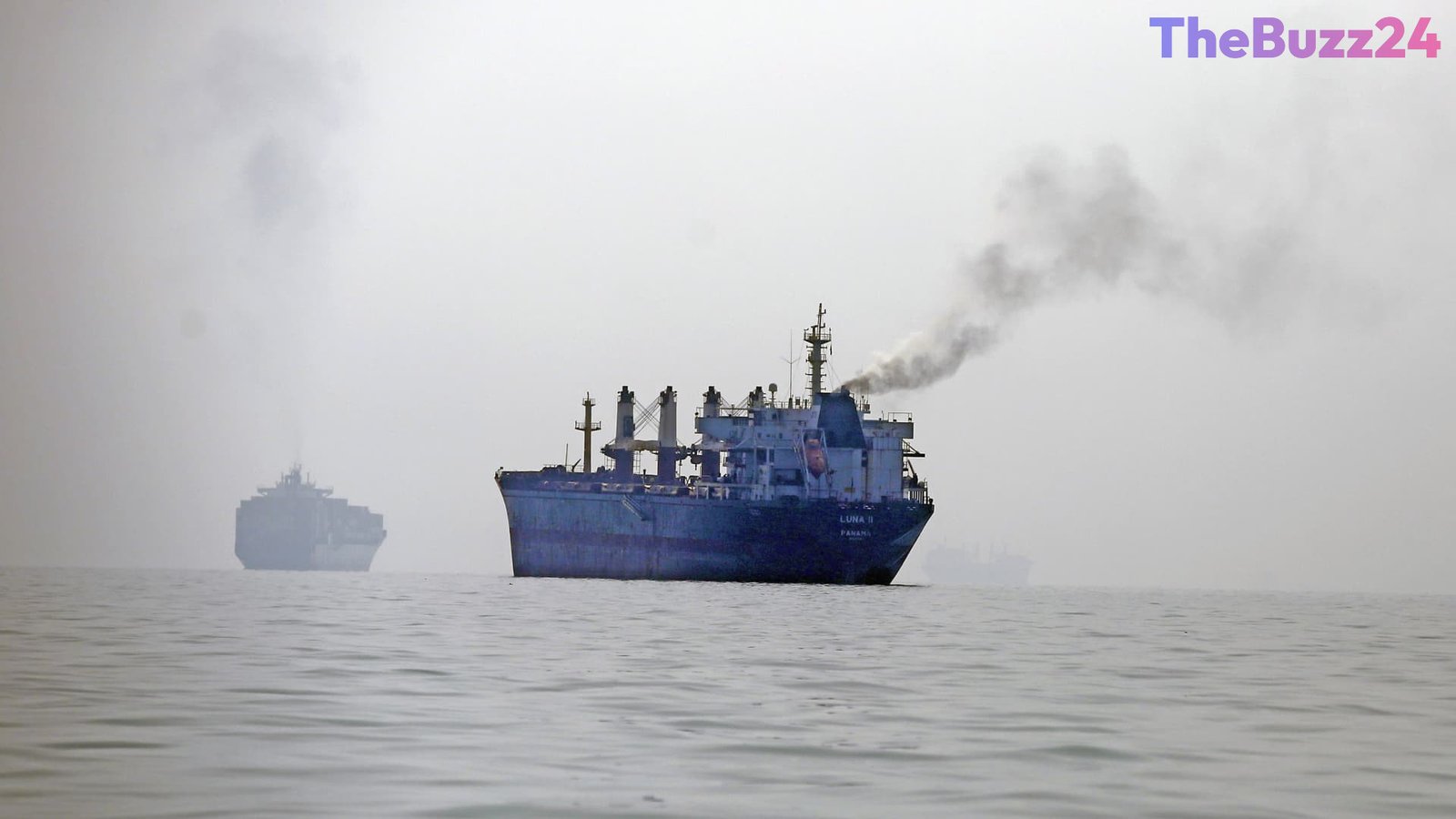
According to Iran’s Islamic Revolutionary Guard Corps (IRGC), three tankers ignited after encountering mines along an “unauthorized southern route” near the Omani coast, with a fourth vessel reportedly burning east of the strait. Further corroborating maritime concerns, the UK Maritime Trade Operations agency (UKMTO) reported that a small boat had attached two explosive devices to a tanker approximately 25 nautical miles northeast of Khasab, Oman. This attack resulted in an engine-room fire that disabled the vessel, though its crew was reported safe. The IRGC has publicly challenged U.S. claims of cleared transit routes, demanding independent verification for assertions regarding the Strait of Hormuz, a critical artery for global energy supplies.
Simultaneously, Houthi forces in Yemen have claimed responsibility for six military operations targeting airports and oil facilities across Saudi Arabia. These alleged strikes occurred despite recent diplomatic overtures, including a rare meeting between Saudi and Iranian officials aimed at de-escalating regional differences. While Saudi authorities have not confirmed all attacks, they did report intercepting a Houthi drone launched towards the holy Mecca region. Amidst these developments, diplomatic efforts continue, with U.S. Vice President JD Vance reportedly proposing a framework for talks with Iran’s Supreme National Security Council head, Mohsen Rezaei, through Qatari mediators. President Donald Trump acknowledged Vance’s initiative, framing it as an effort to assist Iran with medical supplies.
However, the diplomatic track runs parallel to reports suggesting the Trump administration is considering renewed military actions in the Middle East following the recent midterm elections. Admiral Brad Cooper, the top U.S. commander in the region, reportedly briefed President Trump on various military options concerning Iran, indicating a dual approach of potential engagement and heightened readiness for intervention in the volatile region.
Key Takeaways
- Iran claims four tankers were struck by mines in the Strait of Hormuz, disputing U.S. assertions of cleared shipping lanes.
- Iran-backed Houthi forces have launched new attacks on Saudi airports and oil facilities, further escalating regional tensions.
- The Trump administration is reportedly considering renewed military action against Iran, even as diplomatic efforts for talks are underway.
Editor’s Analysis & Impact
The escalating tensions in the Strait of Hormuz and the broader Middle East carry significant implications for global markets, particularly the energy sector. Any disruption to shipping in this vital waterway, which accounts for a fifth of the world’s oil supply, could lead to sharp increases in crude prices and shipping insurance premiums, impacting global economic stability. The dual track of diplomatic overtures and potential military action suggests a highly volatile future. While dialogue offers a path to de-escalation, the reported consideration of military options by the U.S. administration, coupled with continued Houthi aggression, indicates a high risk of further conflict. This situation underscores the fragile geopolitical balance in the region and the complex challenges facing international diplomacy in preventing a wider confrontation.
Frequently Asked Questions
Q: What is the Strait of Hormuz and why is it important?
A: The Strait of Hormuz is a narrow, strategically vital waterway connecting the Persian Gulf to the Arabian Sea. It is crucial for global energy markets as approximately one-fifth of the world's petroleum and other liquids pass through it daily, making it a critical chokepoint for international oil trade.
Q: Who are the Houthis and what is their role in the current tensions?
A: The Houthis are an Iran-backed rebel group in Yemen engaged in a civil war against the internationally recognized government, supported by a Saudi-led coalition. Their recent claims of missile and drone attacks on Saudi Arabian airports and oil facilities contribute significantly to regional instability and escalate tensions between Iran and Saudi Arabia.
Q: What is the U.S. stance on the recent incidents?
A: The U.S. has disputed Iran's claims of mines in the Strait of Hormuz, asserting that shipping lanes were cleared. While Vice President JD Vance has initiated diplomatic outreach for talks with Iran, reports also indicate the Trump administration is weighing renewed military actions, suggesting a complex and potentially contradictory approach to the escalating situation.
AI Disclosure: This article is based on verified data and official reports. Our Team and AI have cross-referenced every financial detail with primary sources to ensure total accuracy.
More from this Category