The Rise of Pop-Up Super PACs: Millions Flowing Into Midterm Races Before Donors Are Revealed
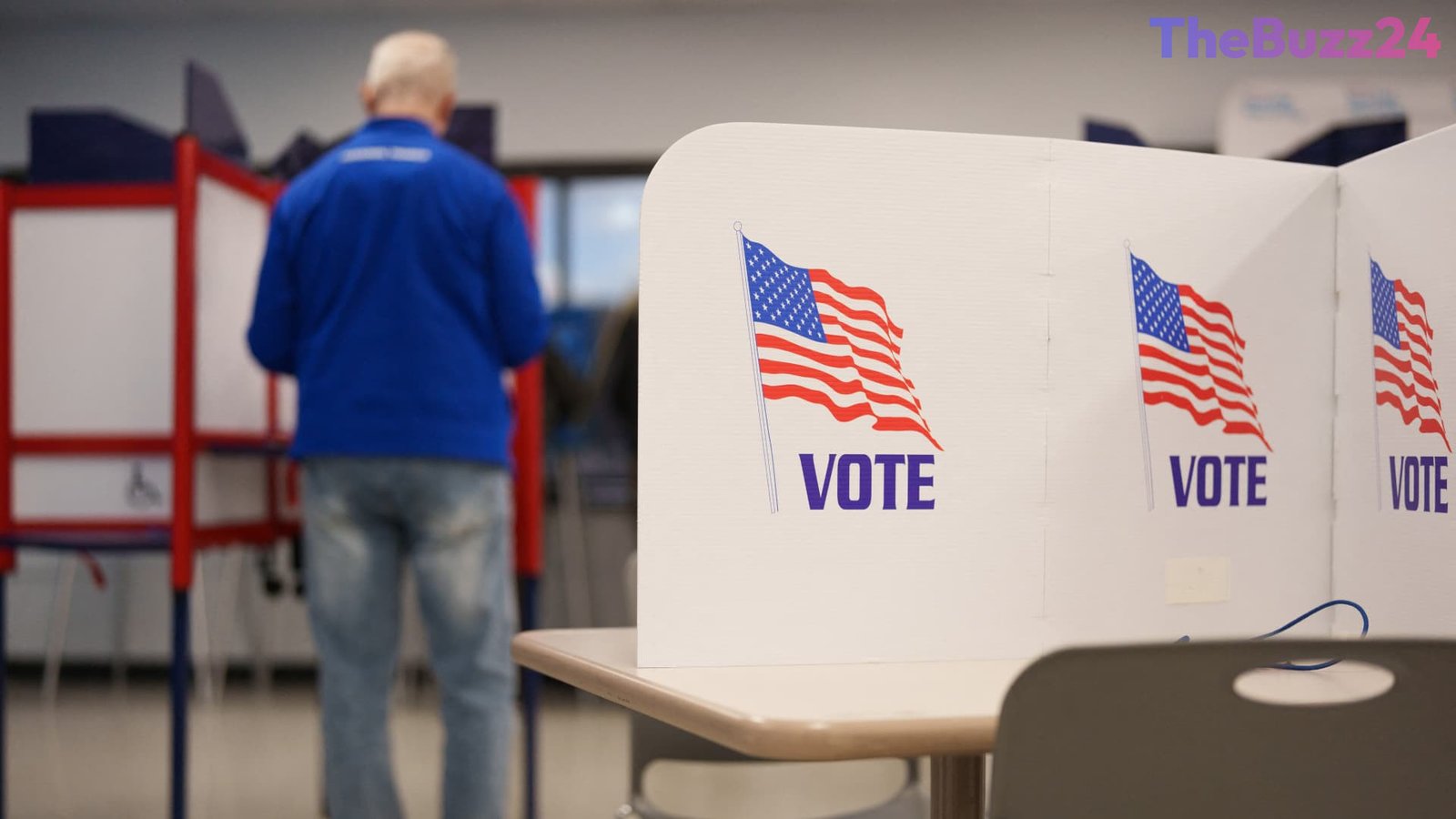
A dramatic surge in late-forming political spending has reshaped the 2026 congressional midterms, with dozens of newly minted super PACs pouring hundreds of millions of dollars into key House and Senate races. Federal election data indicates that twenty-two groups established in the final ten weeks before Election Day have each dropped at least $1 million on congressional contests, accumulating a staggering total of roughly $637 million in independent expenditures.
This influx accounts for approximately one-sixth of all independent spending in the 2026 congressional cycle. While these political committees must rapidly report their spending activities to the Federal Election Commission, federal disclosure rules often leave voters completely in the dark regarding the ultimate sources of the funding. Donor disclosures frequently arrive weeks after expenditures begin—and, in many instances, only after the polls have closed on Election Day.
Legal experts and campaign finance watchdogs note that many of these newly registered entities are essentially vehicles designed to obscure the origins of massive cash infusions, sometimes temporarily and other times permanently. Although both major political parties utilize the strategy, data shows that Republican-linked pop-up groups have outpaced their Democratic counterparts significantly in terms of total capital disbursed. Prominent national networks have frequently funneled millions into these localized, uniquely branded committees, fracturing the transparency of political advertising and making it exceedingly difficult for everyday voters to trace who is truly financing high-stakes campaigns.
Key Takeaways
- Twenty-two late-forming super PACs have poured roughly $637 million into 2026 congressional races.
- Federal campaign finance rules allow these pop-up groups to spend money weeks before their major donors are officially disclosed.
- The number of million-dollar late-forming super PACs and their total expenditures have grown exponentially compared to previous midterms.
Editor’s Analysis & Impact
The explosive growth of late-forming ‘pop-up’ super PACs highlights a widening loophole in modern campaign finance transparency. By establishing new entities just weeks before an election, major political networks can deploy staggering amounts of capital while effectively bypassing immediate public scrutiny over donor identities. This tactic not only alters the strategic landscape of midterm elections by fragmenting national spending into localized, hyper-targeted campaigns, but it also accelerates public skepticism regarding the influence of dark money in American politics. As the legal framework struggles to keep pace with these evasive organizational tactics, future election cycles will likely see even more aggressive attempts to leverage temporary disclosure blind spots, placing renewed pressure on policymakers to reform federal reporting requirements.
Frequently Asked Questions
Q: What is a pop-up super PAC?
A: A pop-up super PAC is a political action committee formed rapidly—often within the final weeks before an election—that quickly spends large sums of money on specific congressional races before its major donors are publicly disclosed.
Q: Why do political networks use late-forming super PACs?
A: These groups are primarily utilized to temporarily avoid donor disclosure rules, allowing established political networks to influence elections locally under new or localized branding without immediate public awareness of who is funding the ads.
Q: How much have these pop-up PACs spent in the 2026 midterms?
A: Twenty-two late-forming super PACs have combined for roughly $637 million in independent expenditures during the 2026 cycle, accounting for about one-sixth of all independent spending in congressional races.
AI Disclosure: This article is based on verified data and official reports. Our Team and AI have cross-referenced every financial detail with primary sources to ensure total accuracy.
More from this Category