OpenAI Plans Strategic PR Push and Data Center Rebrand Ahead of Political Shift
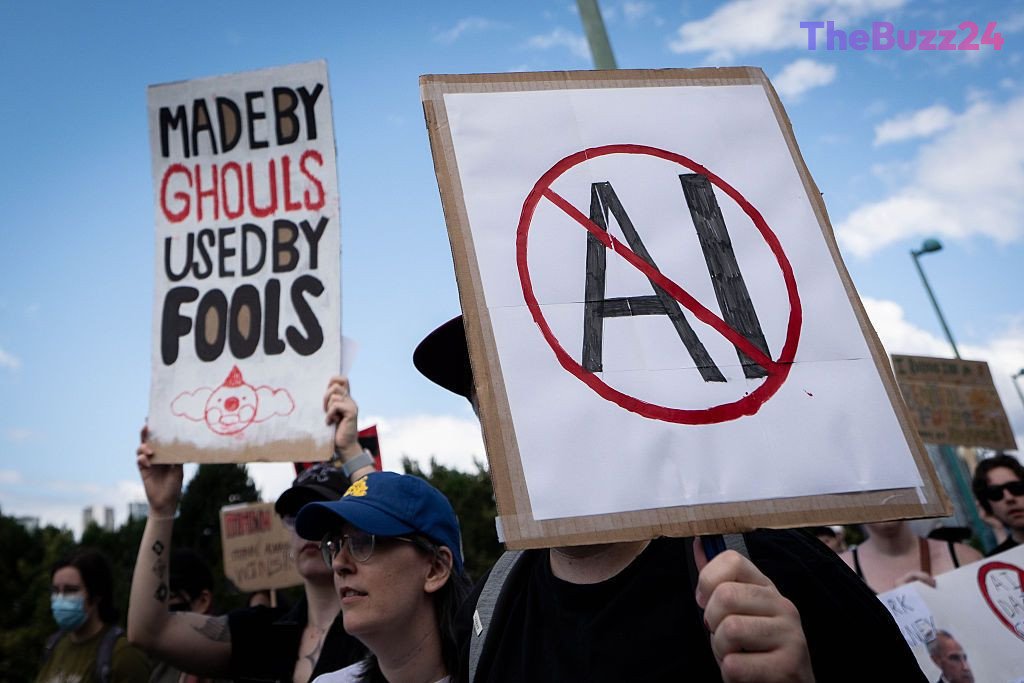
Artificial intelligence pioneer OpenAI is reportedly preparing a comprehensive public relations campaign following the midterm elections. As political landscapes shift and government scrutiny increases, the organization is looking to reframe how the public and policymakers perceive its rapidly expanding infrastructure and technological ambitions.
Central to this strategy is a proposed rebranding of massive data centers into what executives are calling “AI compute campuses.” Led by chief global affairs officer Chris Lehane, the initiative aims to soften the public perception of these energy-intensive facilities while addressing local community concerns. Lehane noted that community accountability is vital, emphasizing that residents near these facilities should experience tangible, transformative benefits from the projects.
Beyond the facility rebranding, the broader public relations effort is designed to position OpenAI as a constructive voice in shaping future regulations. Proposals under discussion include the establishment of AI “speed limits,” strategies to demonstrate how artificial intelligence empowers daily life, and encouraging the United States to lead the creation of international governance standards. Executives view this period as a crucial prelude to the 2028 presidential race, where artificial intelligence is expected to emerge as a defining electoral issue.
Key Takeaways
- OpenAI is launching a major public relations initiative following the midterm elections.
- The company plans to rebrand traditional data centers as "AI compute campuses" to improve community relations.
- Executives aim to shape future AI regulations and standards ahead of the 2028 presidential election.
Editor’s Analysis & Impact
OpenAI’s proactive public relations strategy highlights the tech industry’s growing recognition that political and social license to operate is just as crucial as technological innovation. By attempting to rebrand data centers as “campuses,” the company is directly addressing the intense local pushback regarding energy consumption, environmental impact, and zoning challenges. This nomenclature shift is more than semantic; it is a calculated effort to humanize heavy industrial infrastructure and align it with concepts of education, innovation, and community enrichment. As artificial intelligence increasingly intersects with electoral politics—culminating in the expected battles of the 2028 presidential race—tech firms are realizing they must actively shape the regulatory narrative rather than react to it. Establishing voluntary frameworks like “speed limits” and pushing for U.S.-led global standards represents an attempt at preemptive self-governance, which may stave off more restrictive legislative measures down the line.
Frequently Asked Questions
Q: Why is OpenAI planning to rebrand its data centers?
A: OpenAI aims to rebrand its facilities as "AI compute campuses" to improve public perception, foster better community relations, and address local concerns regarding the massive infrastructure required for modern artificial intelligence.
Q: What role does Chris Lehane play in OpenAI's strategy?
A: Chris Lehane serves as OpenAI's chief global affairs officer and is leading the upcoming public relations strategy, which includes advocating for AI "speed limits" and pushing for U.S. leadership in global technology standards.
Q: How do executives view the political timing of this campaign?
A: OpenAI executives view the current political climate and upcoming elections as a preview for the 2028 presidential race, where they anticipate artificial intelligence will become a central political and policy issue.
AI Disclosure: This article is based on verified data and official reports. Our Team and AI have cross-referenced every financial detail with primary sources to ensure total accuracy.
More from this Category