Democratic Midterm Outlook Sends Shivers Through Markets, AI Data Center Growth in Focus
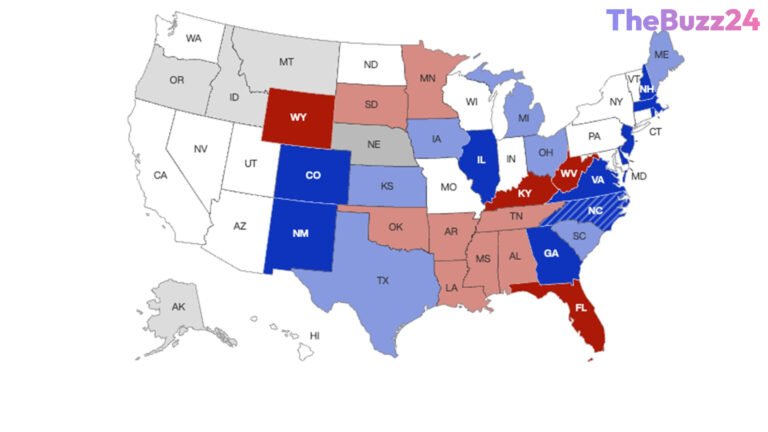
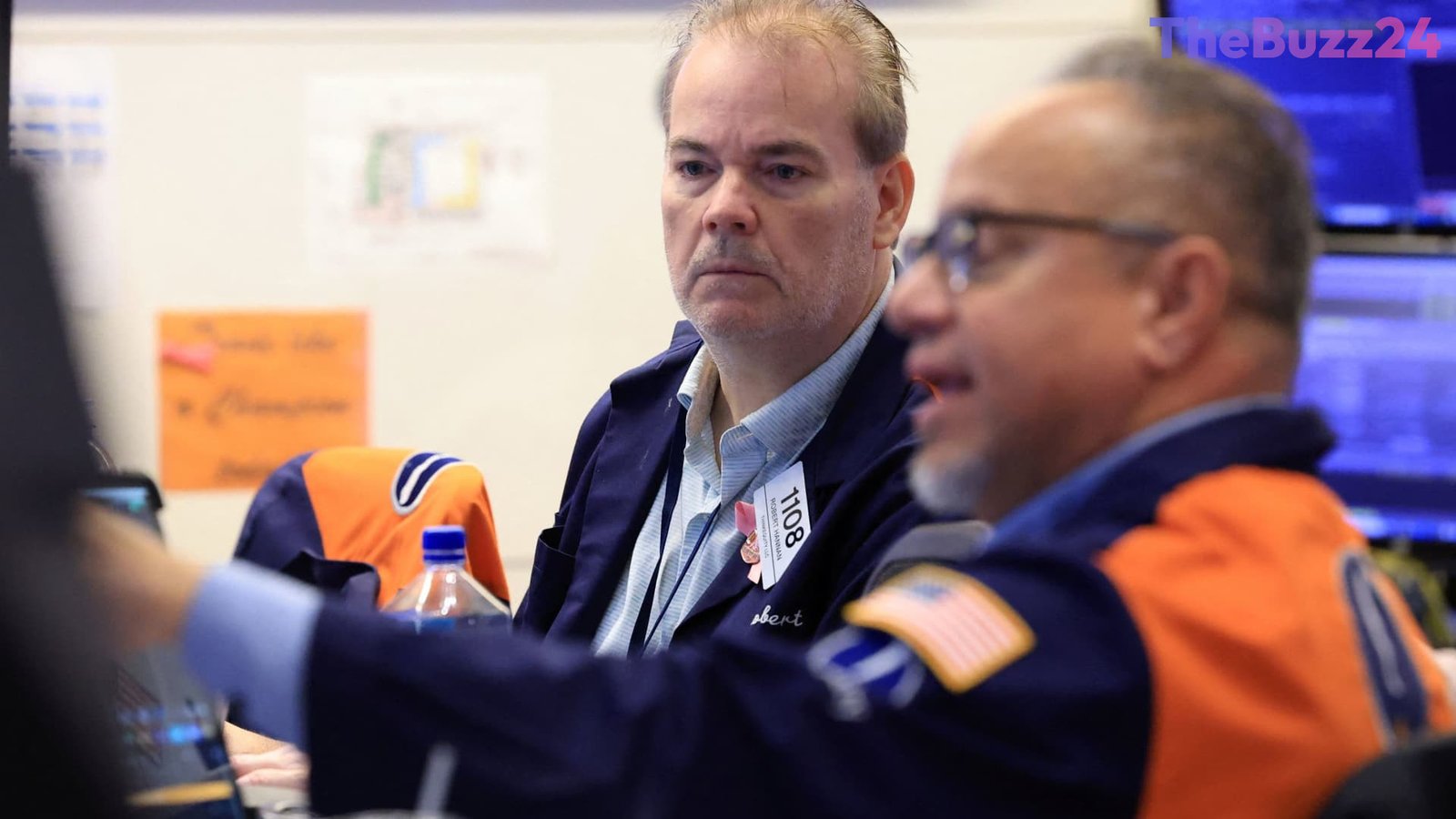
U.S. stock futures experienced a notable decline as traders reacted to increasing speculation that Democrats were poised to secure significant victories in the recent midterm elections, potentially gaining majority control of Congress and key gubernatorial positions. Futures tied to the S&P 500 fell by 1.1%, Nasdaq-100 futures shed 2%, and Dow Jones Industrial Average futures were down 0.7%. Market indicators, such as Kalshi odds, reflected a high probability of Democratic control for both the Senate and the House, signaling investor anticipation of a substantial shift in the political landscape.
A primary concern among investors centered on the potential for a “blue wave” scenario to introduce greater regulatory scrutiny, particularly impacting the burgeoning artificial intelligence (AI) sector and its critical data center infrastructure. Analysts suggested that a strong Democratic showing could lead to increased restrictions on data center development nationwide, a prospect that has already contributed to a pullback in AI-linked stocks in recent weeks. Major technology companies like Microsoft, Amazon, and Nvidia saw their shares trade lower in extended sessions, alongside AI-focused entities such as CoreWeave and Elon Musk’s SpaceX.
The Texas gubernatorial race emerged as a focal point for investors seeking clues about the future of the AI trade, given the state’s substantial share of U.S. data center capacity. Democratic candidate Gina Hinojosa, who has advocated for an immediate moratorium on data centers and an end to tax incentives for their expansion, was reportedly leading over Republican incumbent Greg Abbott. This development intensified worries that a change in leadership could significantly alter the landscape for data center construction in a crucial tech hub. Conversely, renewable energy shares, particularly solar stocks, saw gains in post-market trading, fueled by speculation that a Democratic majority in Congress would support policies favorable to the industry.
Beyond specific sectors, the broader market anticipated that a “blue wave” could hinder the implementation of business-friendly policies, such as tax breaks, and potentially increase oversight on industries like banking. As equity futures dipped, Treasury yields moved lower, with the 10-year Treasury note yield dropping over 3 basis points. The Cboe Volatility Index (VIX) futures, often referred to as Wall Street’s “fear gauge,” climbed above 20, indicating heightened investor anxiety. Despite the immediate volatility, some market strategists suggested that election-driven swings could present buying opportunities for long-term investors, noting that historical data often shows market resilience in the year following midterm elections.
Key Takeaways
- Stock futures declined significantly amid speculation of a "blue wave" in the midterm elections, with Democratic control of Congress appearing likely.
- Concerns about potential restrictions on data center expansion, particularly in Texas, put pressure on AI-linked stocks and the broader technology sector.
- While most sectors faced headwinds, renewable energy stocks saw gains, and some analysts view the election-driven market volatility as a potential buying opportunity.
Editor’s Analysis & Impact
The market’s immediate reaction to midterm election speculation underscores the profound influence of political outcomes on investor sentiment and sector-specific valuations. The pronounced downturn in AI and technology stocks, driven by fears of data center moratoriums, highlights the industry’s vulnerability to regulatory shifts, especially at the state level in key hubs like Texas. Conversely, the uplift in renewable energy stocks suggests a market anticipating policy tailwinds under potential Democratic leadership. Looking ahead, sustained political uncertainty could prolong market volatility, but any clear policy direction, whether restrictive or supportive, will likely trigger more defined sector movements. This election serves as a stark reminder that infrastructure-heavy industries, like AI’s data centers, are increasingly intertwined with legislative and gubernatorial decisions, making political analysis a critical component of investment strategy.
Frequently Asked Questions
Q: What caused the recent drop in stock futures?
A: Stock futures declined primarily due to speculation that Democrats were likely to achieve significant victories in the midterm elections, potentially gaining majority control of Congress. This outlook raised concerns among investors about future policy changes.
Q: How might a "blue wave" impact the AI and data center industries?
A: A "blue wave" could lead to increased regulatory scrutiny and potential restrictions on data center expansion, which is crucial for the growth of the AI industry. This fear stems from candidates like Gina Hinojosa in Texas advocating for moratoriums on new data centers.
Q: Why is the Texas gubernatorial race particularly important for the technology sector?
A: Texas is a major hub for data center capacity, accounting for a significant portion of the U.S. total. The Democratic gubernatorial candidate, Gina Hinojosa, has pledged a moratorium on data centers, making the outcome of this race a key indicator for the future growth and investment in AI infrastructure within the state and potentially nationwide.
AI Disclosure: This article is based on verified data and official reports. Our Team and AI have cross-referenced every financial detail with primary sources to ensure total accuracy.
More from this Category