Meta Expands AI Interaction with Real-Time Video Chat Avatars
Meta has officially launched its interactive video chat feature for the Muse AI agent, making the technology available to all users across the United States. Initially unveiled during the company’s September developer conference, this update introduces the Muse Realtime Avatar and Muse Realtime Voice models, which work in tandem to create a responsive, lifelike digital presence for users to engage with.
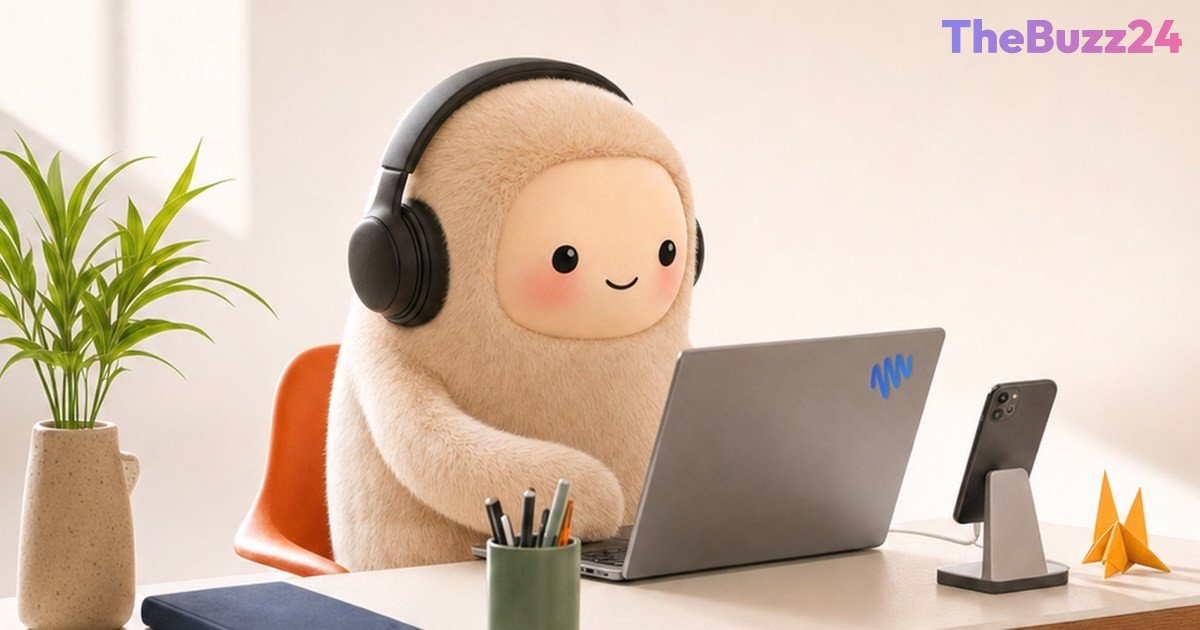
Unlike standard voice-only AI assistants, Muse distinguishes itself through a customizable, animated interface. Users can interact with a default character, nicknamed Jolly, or personalize their avatar to resemble humans, animals, or other unique designs. Meta has engineered the system to utilize subtle facial expressions and gestures that synchronize with the tone of the conversation, aiming to foster a deeper sense of connection between the user and the AI.
This rollout arrives as Meta prepares to expand its AI ecosystem beyond mobile, web, and Mac platforms. The company is currently developing a dedicated wearable device, tentatively referred to as the Muse Charm, which will feature a small screen to house the digital avatar. This hardware, expected to launch by the end of the year, will allow users to carry their AI assistant with them, further integrating the technology into daily routines and task management.
Key Takeaways
- Meta has launched real-time video chat capabilities for its Muse AI agent to all U.S. users.
- The system uses advanced animation models to provide avatars with gestures and expressions that match the conversation's tone.
- Meta plans to release a wearable device by year-end that will allow users to interact with their AI avatars on the go.
Editor’s Analysis & Impact
Meta’s push into anthropomorphized AI represents a significant shift in how consumers interact with large language models. By moving away from static text or disembodied voice interfaces toward expressive, customizable avatars, Meta is attempting to lower the barrier to entry for AI adoption, making the technology feel more approachable and ‘human.’ This strategy is clearly aimed at increasing user retention and emotional investment in the Muse ecosystem. The upcoming hardware integration suggests that Meta is positioning itself to compete not just in software, but in the wearable market, potentially creating a new category of ‘AI companions.’ If successful, this could set a new industry standard for how AI agents are presented, forcing competitors to prioritize visual personality and real-time responsiveness to maintain market relevance.
Frequently Asked Questions
Q: Can I customize the appearance of my Muse AI avatar?
A: Yes, Meta allows users to customize their Muse avatar, enabling them to choose from various designs, including human-like figures, animals, or other characters.
Q: What platforms currently support the Muse video chat feature?
A: The real-time video chat feature is currently supported on mobile devices, web browsers, and Mac computers, with plans to expand to AI glasses and upcoming wearable hardware.
AI Disclosure: This article is based on verified data and official reports. Our Team and AI have cross-referenced every financial detail with primary sources to ensure total accuracy.
More from this Category